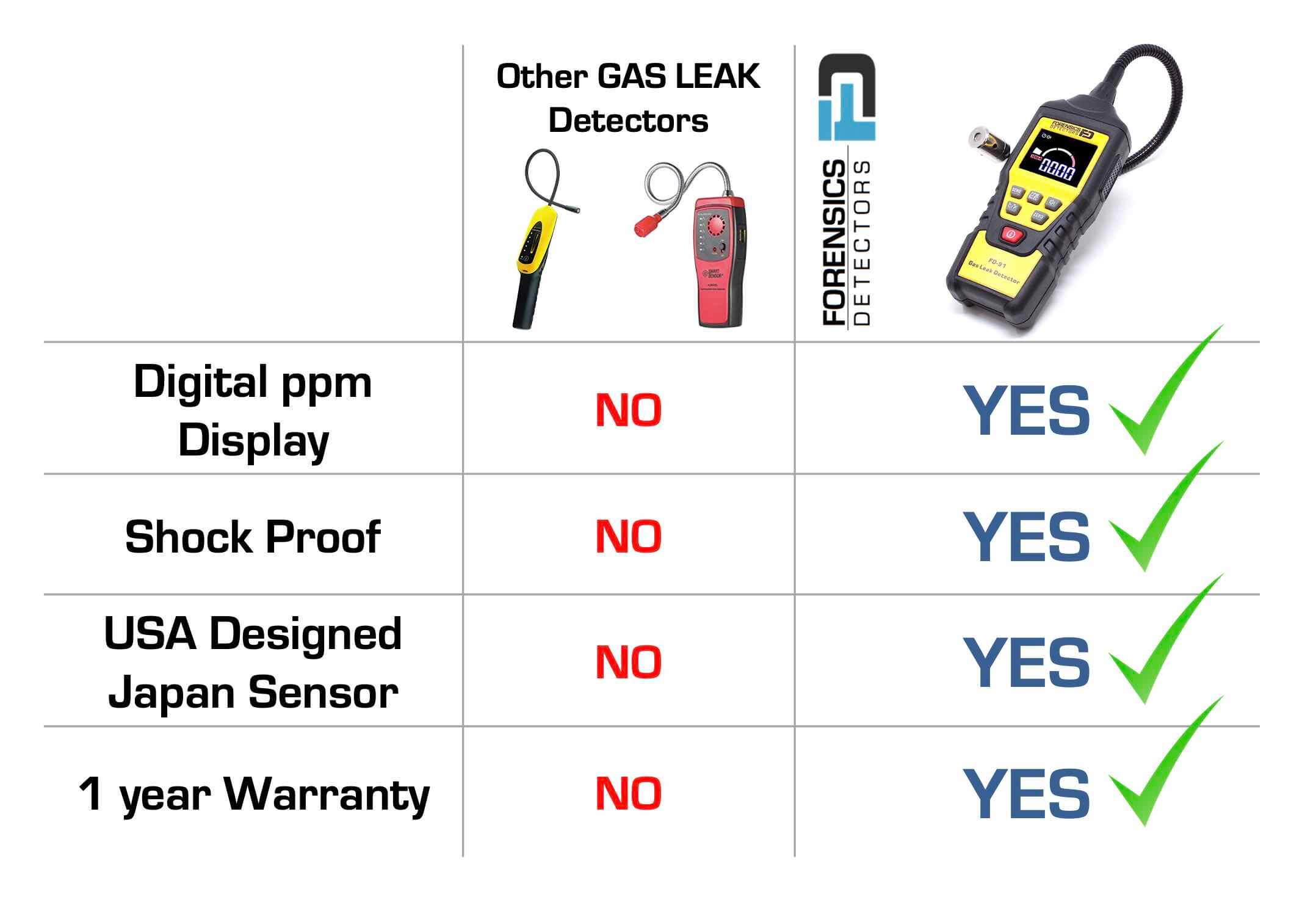
Discover our highly sensitive Sewer Gas Detector, featuring the finest Japanese FIGARO gas sensor for detecting even the slightest traces of sewer gas. This compact, sturdy device, capable of withstanding a 10ft drop, is perfect for both home and industrial use.
Homeowners can rely on it to identify sewer smell and gas leaks, while inspectors, utility workers, refinery personnel, maintenance engineers, and technicians use it to monitor combustible gas leakages in various settings. This detector is commonly employed in waterworks, underground storage tanks, oil rigs, maritime tanks, and silos, ensuring safety and efficiency in a wide range of applications.
What Sewer Gases Are Detected?
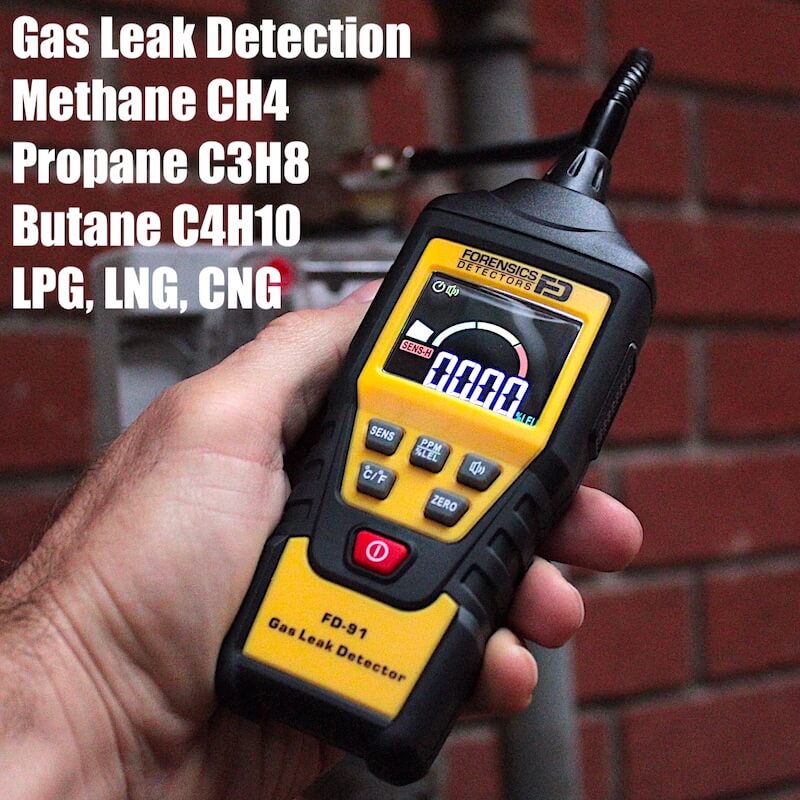
Our Sewer Gas Detector detects the three common sewer gases which include H2S, Methane, and Ammonia. In addition, the detector also detector many other combustible gases such as acetone, acetylene, alcohol, ammonia, benzene, butane, butanol vapor, diesel vapor, ethanol vapor, gasoline, hexane, methane, methanol, naphtha, natural gas, paint thinners, petrol vapor, propane, solvents, turpentine, toluene, and hundreds of other combustible gases.
Who Uses a Sewer Gas Leak Detector?
Several individuals and professionals use sewer gas detectors for various purposes. Here are some examples:
Homeowners: Homeowners use sewer gas detectors to track down the smelly gas. Usually occurring in bathrooms, kitchens, and laundry rooms.
Plumbers: Plumbers often use sewer gas detectors in sewer lines or drainage systems.
Sewer Maintenance Workers: Workers responsible for inspecting and maintaining sewer systems may use sewer gas detectors to ensure their safety while working in confined spaces, such as manholes or underground tunnels.
Environmental Health and Safety Personnel: Professionals involved in environmental health and safety, such as those working for municipalities or government agencies, may use sewer gas detectors to monitor gas levels in sewer systems and prevent any potential hazards.
Building Inspectors: Inspectors examining residential or commercial properties may use sewer gas detectors as part of their assessment to identify any leaks or issues with the sewer lines that could lead to the presence of harmful gases indoors.
Industrial Workers: In certain industrial settings where sewer systems are present, such as wastewater treatment plants or factories, workers may use sewer gas detectors to monitor gas levels and ensure the safety of the working environment.
How to Test for Sewer Gas?
Detecting a sewer gas leak requires a systematic approach and careful observation.
- Be aware of the signs: Familiarize yourself with the common indicators of a sewer gas leak, such as a foul, rotten egg-like smell or a musty odor. Keep in mind that sewer gas may not always have a distinct smell, so other symptoms like headaches, dizziness, or respiratory issues in conjunction with a sewer-like odor can also be warning signs.
- Check for visible signs: Use a sewer gas detector and visual inspection of your plumbing fixtures, drains, and exposed pipes for any visible signs of damage or leaks. Look for loose connections, cracked pipes, or damaged seals that could be causing the leak.
- Inspect sewer traps and vents: Sewer traps, also known as P-traps, are designed to hold water and prevent sewer gas from entering living spaces. Ensure that all plumbing fixtures (sinks, toilets, showers) have water in their traps to create a barrier against sewer gas. Additionally, inspect vent pipes on the roof or exterior walls for any blockages, damage, or disconnections that could allow sewer gas to escape.
- Negative Pressure: Sometimes the sewer gas leak will occur when a certain door or window is opened or closed, which creates a negative pressure and allows the sewer gas to enter the indoor space. Try various combinations of doors and windows open or closed to see if that makes a difference.
- Smoke test: If the previous methods do not work, then the last resort is an expensive smoke test. This method involves introducing artificial smoke into the plumbing system to detect leaks. A professional plumber can perform this test by blocking all drain openings, pressurizing the system, and then introducing smoke. If you see smoke escaping from any areas other than vents or designated exits, it indicates a potential sewer gas leak.
What is Sewer Gas?
Sewer gas refers to the mixture of gases that can be found in the sewer system or in areas where wastewater and sewage are present.
It is primarily composed of various gases, including hydrogen sulfide (H2S), methane (CH4), carbon dioxide (CO2), ammonia (NH3), and other trace gases.
Hydrogen sulfide (H2S) is the most common and noticeable component of sewer gas - it is the smelly gas that is described as "rotten egg smell". It is produced by the breakdown of organic matter in the absence of oxygen, such as in sewer lines or septic tanks.
Methane (CH4) is another significant component of sewer gas. It is a flammable gas that can be produced by the decomposition of organic matter, including human waste. Methane is odorless and colorless, but it can be highly flammable and pose a safety risk if it accumulates in enclosed spaces.
Carbon Dioxide (CO2) is also present in sewer gas, resulting from the breakdown of organic matter. It is a colorless and odorless gas that is less concerning than hydrogen sulfide or methane from a health and safety perspective.
Ammonia (NH3) is occasionally found in sewer gas, especially in urine-rich environments. It has a pungent odor and can contribute to the overall unpleasant smell associated with sewer gas.

What Does A Sewer Gas Leak Smell Like?
A sewer gas leak typically smells like rotten eggs or sulfur due to the hydrogen sulfide component.
How to Test for a Sewer Gas Leak?
If you suspect you have a sewer gas leak, you should use a tool such as a Sewer Gas Leak Detector.
- Begin by turning on the Sewer Gas Leak Detector and allowing it to start operating after the countdown.
- Next, perform a quick bump test to ensure the analyzer is functional. You can do this by exposing it to some natural gas or propane from your stovetop or other controlled source. The point here is to confirm the Sewer Gas Leak Detector is indeed operating.
- Once you have completed the bump test, take the Sewer Gas Leak Detector and scan the area of interest, moving about 2 seconds per inch. Be patient and thorough to ensure you capture any natural gas.
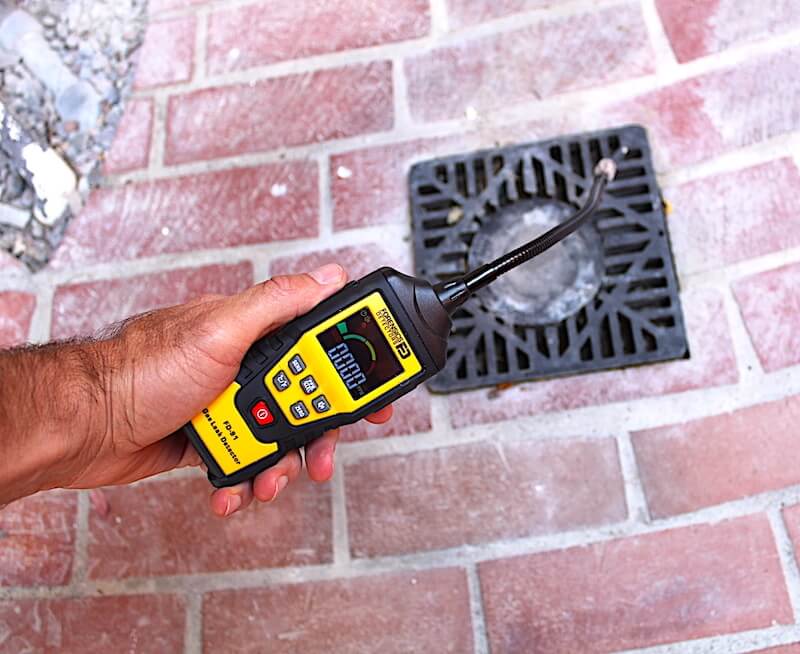
- Typical areas of leakage occur around toilets, sewer lines, sewer connections, and sewer drain connections to appliances. Make sure to check these locations.
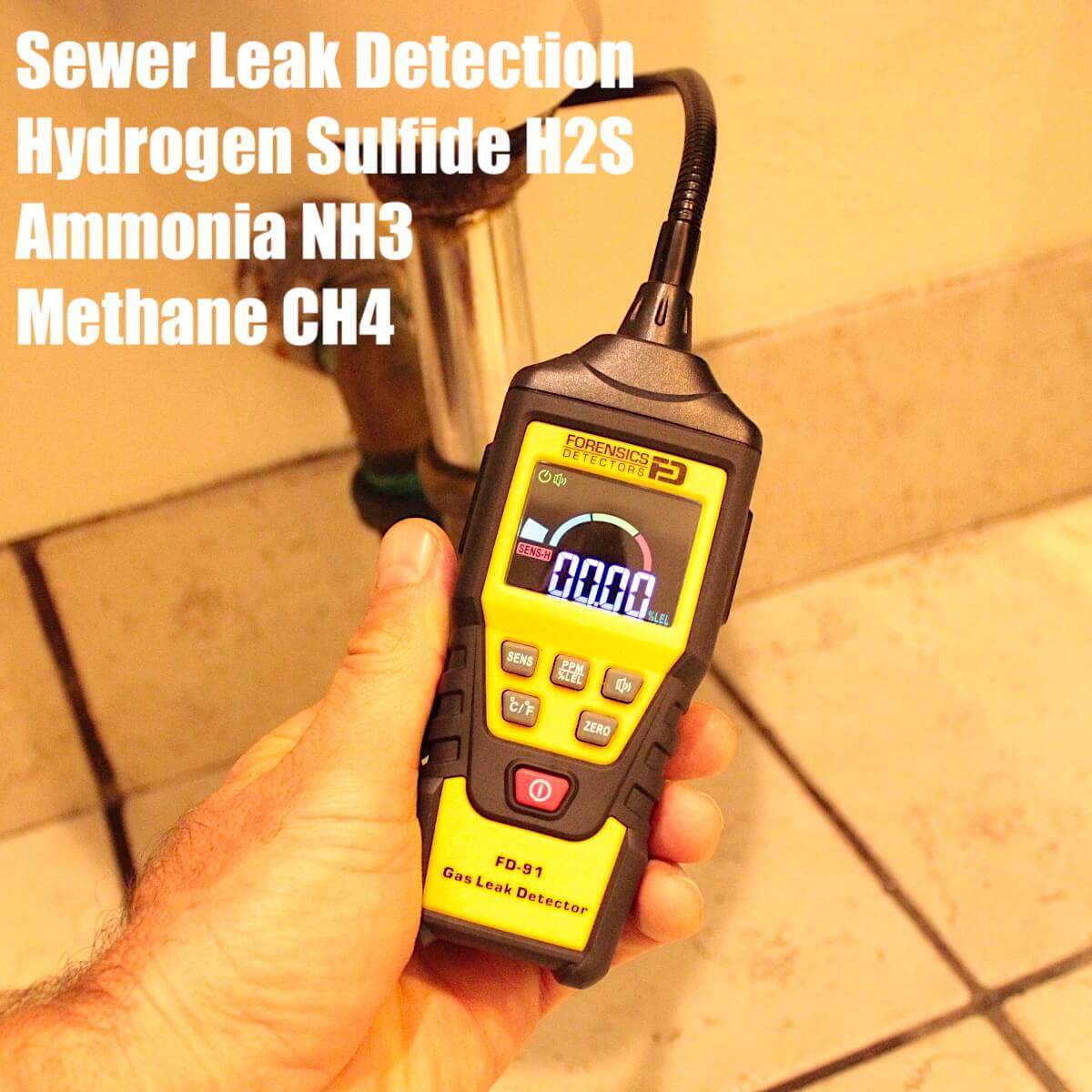
- Observe the detector's response. The units have a digital readout in PPM and %LEL so it is very sensitive.
- If you have confirmed a gas leak, ensure you take appropriate action to maximize safety.
How Long Does the Sewer Gas Sensor Last?
Our Sewer Leak Detector is equipped with a made-in-Japan solid-state thermal semiconducting metal oxide sensor element. This is good news as these sensors have a much longer lifespan than traditional electrochemical gas sensors. In fact, semiconducting metal oxide sensors can last up to 10 years, whereas electrochemical gas sensors and catalytic gas sensors typically last only 2-3 years.
Will a Sewer Gas Leak set off Carbon Monoxide Detector?
No, a sewer gas leak will not set off a carbon monoxide (CO) detector. Carbon monoxide detectors are specifically designed to detect and alert occupants to the presence of carbon monoxide gas.
How Should I Store my Sewer Gas Detector?
To ensure maximum sensor life and accurate measurements upon operation, it is recommended to store the Sewer Gas Detector in a moderate environment with a humidity level of 50%RH and a room temperature of approximately 70F. The unit should be kept in the hard waterproof case it was sold with for optimal storage conditions.
Difference Between a Sewer Gas and Combustible Leak Detector?
Both sewer gas detectors and combustible leak detectors (also known as Natural Gas Leak Detectors) have the same sensor. Both are detecting combustible gas sources which makes them interchangeable and have no difference.
Conclusion
- A sewer gas detector is a device designed to find sewer gas leaks along drain and sewer lines and plumbing.
- They help identify and locate potential sewer leaks to prevent egg smell in homes, apartments, and hotels.
- Sewer gas detectors locate leaks by detecting ammonia, hydrogen sulfide, and methane gas.
- Sewer gas detectors provide visual and audible alarms to alert users when a leak has been detected.
- Be patient and slow when using a sewer gas leak detector. It can take some time but not all leaks can be found with a sewer gas leak detector. The next option is to use more expensive smoke test methods.
About The Author
Dr. Kos Galatsis ("Dr.Koz") is the President of FORENSICS DETECTORS where the company operates from the scenic Palos Verdes Peninsula in Los Angeles, California. He is a subject matter expert on gas sensor technology, gas detectors, gas meters, and gas analyzers. He has been designing, building, manufacturing, and testing toxic gas detection systems for over 20 years.

Every day is a blessing for Dr. Koz. He loves to help customers solve their unique problems. Dr. Koz also loves spending time with his wife and his three children going to the beach, grilling burgers, and enjoying the outdoors.
Read more about Forensics Detectors here.
Email: drkoz@forensicsdetectors.com
Phone: +1 424-341-3886
source https://www.forensicsdetectors.com/blogs/articles/best-sewer-gas-detector