Sunday, 29 September 2024

What is a Oxygen Leak Detector? (in 2024)

Introducing the Oxygen Leak Detector with a built-in pump, a top-of-the-line solution for detecting oxygen leaks. With its fast response time and point probe sampling, this detector is perfect for tracking oxygen leaks in packaging and equipment, or using oxygen as a tracer gas during nitrogen flushing.


Equipped with a 32-bit microprocessor, color LCD, and graphing capability, this advanced oxygen leak analyzer is one of the most sophisticated on the market. For added reliability, the detector is USA NIST traceable and calibrated in Los Angeles, CA, ensuring accurate and dependable performance in a variety of applications.

Oxygen Leak Detectors Accesories?

Applications for Oxygen Leak Detectors

Oxygen leak detectors are used by various industries where the presence of oxygen is critical and leaks can be dangerous. Some of the industries that use oxygen leak detectors include:

  • Aerospace industry: Oxygen leak detectors are used in spacecraft, aircraft, and other aerospace equipment to detect any leaks that could cause a fire or explosion.
  • Welding industry: Use oxygen detectors to ensure no oxygen is leaking in their inert welding environment. Used for TIG or MIG welding to confirm low oxygen content in inert environments. The device accurately monitors oxygen levels while using inert gas to purge stainless steel, titanium, and other reactive metals.
  • Healthcare industry: Oxygen leak detectors are used in hospitals and other healthcare facilities to detect any leaks in oxygen delivery systems that could put patients at risk.
  • Manufacturing industry: Oxygen leak detectors are used in manufacturing plants that use oxygen in their production processes to ensure the safety of workers and prevent accidents.
  • Mining industry: Oxygen leak detectors are used in mines to detect any leaks in the oxygen supply systems used by miners to breathe.
  • Modified Atmosphere Packaging: Used it confirm oxygen leakage in food headspace analysis. In this application needle probes are used to obtain the air sample and a specific setup for headspace oxygen analysis is required.
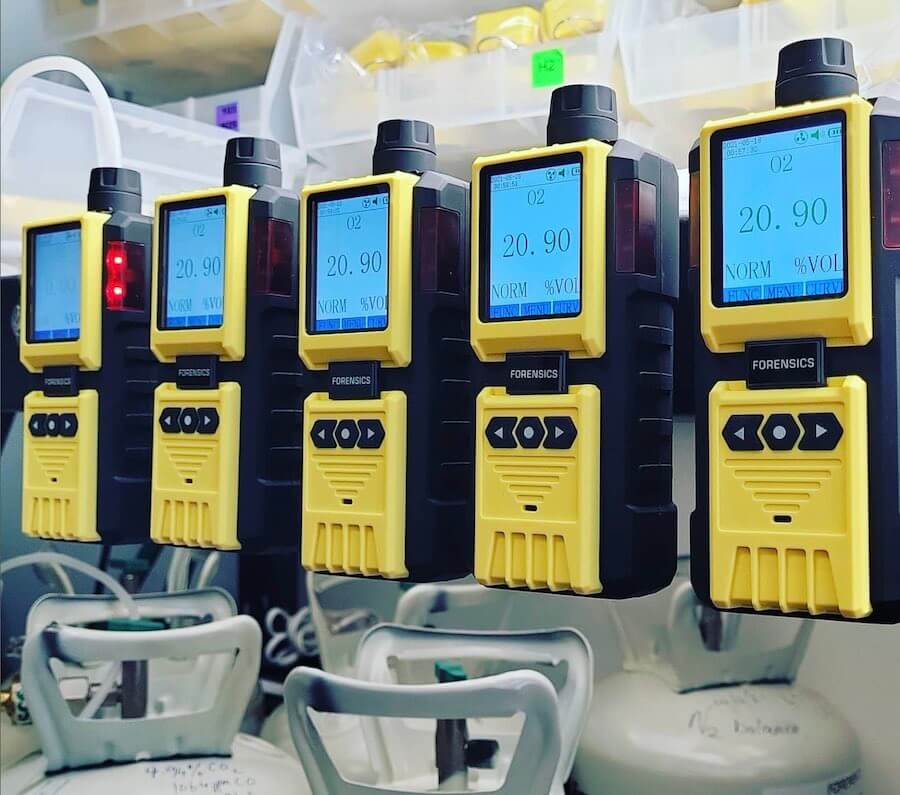
oxygen leak detector


How to Test for a Oxygen Gas Leak?

To test for a oxygen gas leak, take the following steps:

  • Use an Oxygen Leak Detector: Acquire an oxygen leak detector and use it at suspected oxygen locations. If you are using a nitrogen flush to reduce oxygen (depletion), take your time to find any oxygen leaks.
  • Monitor the oxygen %vol Readings: Allow the oxygen leak detector sufficient time to sample suspected leak areas and provide accurate readings. Monitor the detector's display or indicators for any changes in oxygen levels. Don't forget normal air has 20.9% of air. Most typically you will be looking for higher or lower values than this.
  • Leak fixing: If a leak has been found. Take note of its location and tag the location. Address the leakage with an appropriate engineer or technician.

What Does A Oxygen Gas Leak Smell Like?

Oxygen itself is an odorless and colorless gas, so it does not have a smell. This means that an oxygen gas leak cannot be detected by smell alone.

However, if the oxygen is being stored or used in a system that also contains other gases or chemicals, such as nitrogen or argon, a leak in that system may produce a smell. For example, if the oxygen is being used in a welding process, a leak in the system could produce a smell of burning or hot metal.

It's important to note that even if an oxygen leak does not produce a smell, it can still be dangerous. Oxygen leaks can increase the risk of fire or explosion, and can also displace the air in an enclosed space, leading to asphyxiation. Therefore, it's important to use an oxygen leak detector to ensure the safety of the environment and those working in it.

Oxygen Leak Testing for Welding

When performing TIG welding, it is important to monitor the oxygen concentration in the welding environment. This is because TIG welding uses an inert gas, typically argon, to shield the weld from the surrounding air. If the oxygen concentration in the welding environment is too high, it can react with the shielding gas and cause defects in the weld, such as porosity or oxidation.

Therefore, using an oxygen monitor during TIG welding is necessary to ensure that the oxygen concentration in the welding environment is within safe levels. The oxygen monitor can alert the welder if the oxygen concentration exceeds a certain level, allowing them to take appropriate action, such as adjusting the shielding gas flow or increasing ventilation in the area. This helps to ensure the quality and integrity of the weld, reducing the risk of defects and improving overall product quality.
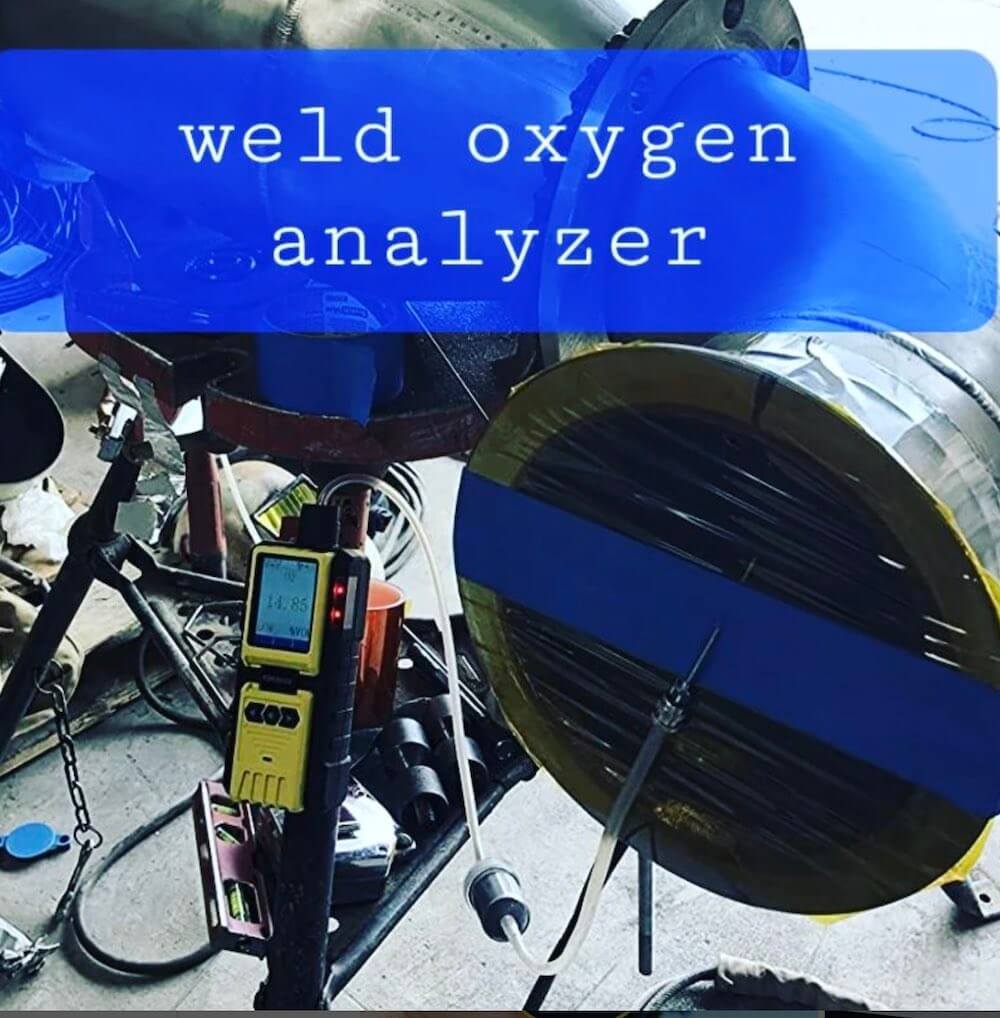
oxygen leak detector


How Long Does the Oxygen Gas Sensor Last?

The lifespan of an oxygen electrochemical sensor is about 2 to 3 years. The sensor's lifespan is influenced by factors such as operating temperature, humidity, exposure to contaminants, and the frequency of calibration and maintenance.

How often should I test or calibrate my Oxygen Leak Detector?

It is best to bump test before using the Oxygen leak detector. Calibration should be performed every 6 to 12 months. Calibration can be done by the Forensics Detectors lab or can be performed by the customer following our calibration tutorials. Items required are:

Calibration T-piece & Tubing
Calibration Gas (N2)
Calibration Gas Regulator (C10)
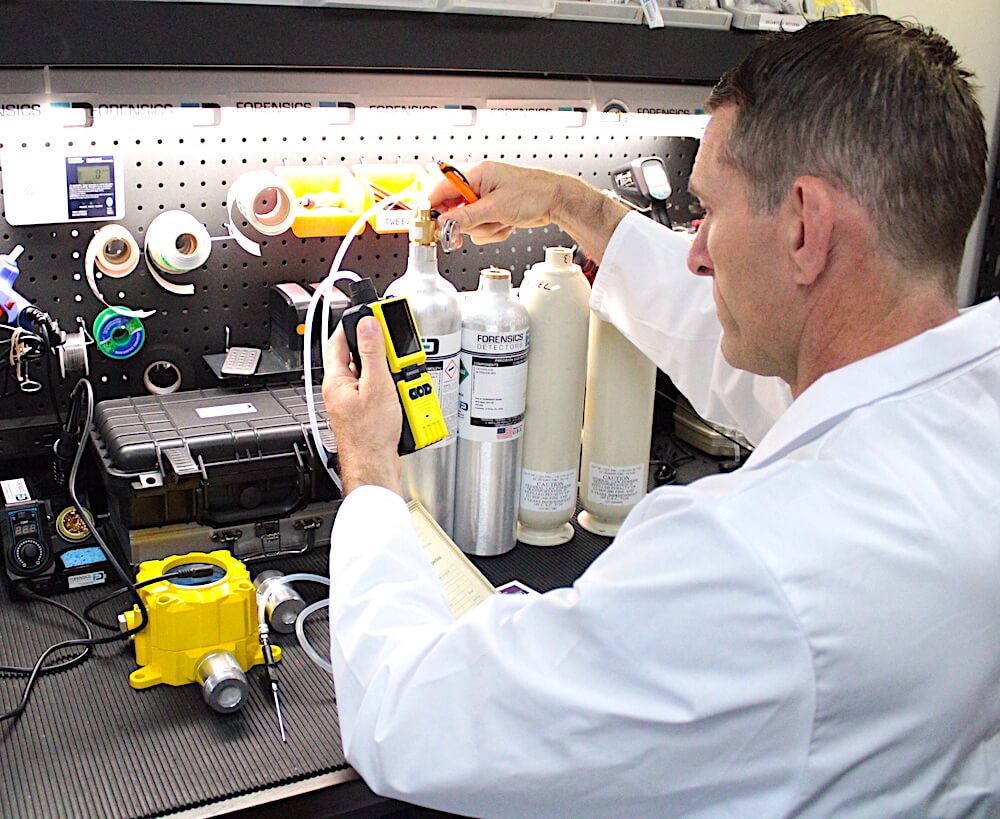
gas calibration


How Does a Oxygen Leak Detector Work?

An oxygen leak detector works by sensing the presence of oxygen gas in the air and alerting the user when it is detected. An oxygen leak detector is a digital instrument with an electrochemical oxygen-sensing cell that produces an electrical signal proportional to the oxygen concentration. This signal is then processed by the detector's electronics. This allows the analyzer to display a quantitative representation of oxygen levels in %vol. The relationship between the voltage output and the O2 %vol reading is established through calibration, where a known concentration of O2 gas is used to determine the corresponding output voltage of the sensor. This calibration process ensures accurate and reliable measurements from the analyzer.
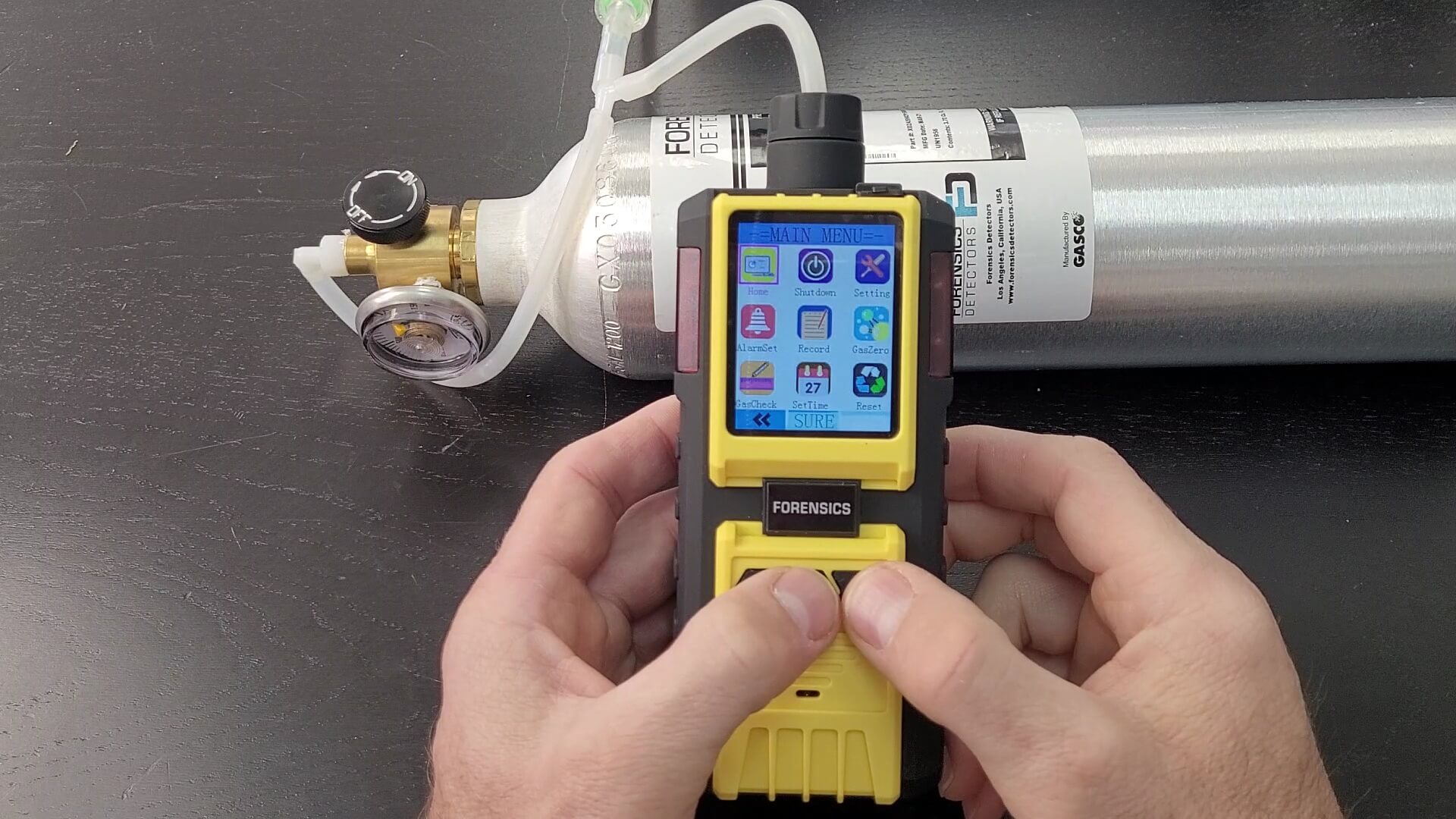
gas leak detector


How Should I Store my Oxygen Leak Detector?

To ensure maximum sensor life and accurate measurements upon operation, it is recommended to store the Oxygen Leak Detector in a moderate environment with a humidity level of 50%RH and a room temperature of approximately 70F. The unit should be kept in the hard waterproof case it was sold with for optimal storage conditions.

What is the Maintenance Schedule for my Oxygen Leak Detector?

To ensure safety we recommend the following schedule for your oxygen leak detector. For those working in dangerous confined spaces, we recommend bump testing daily. For R&D where accuracy is upmost important, we recommend calibration daily. In general however, the tests and schedules that are important to ensure, operation, accuracy, and safety include the:

  1. Bump Testing (weekly to monthly, sometimes even daily)
  2. Calibration Schedule (every 6 or 12 months)
  3. Replacement Schedule (2-3 year sensor replacement)

Conclusion

  • An oxygen leak detector is a device that detects the presence of oxygen leaks in a system or environment.
  • It is used in industries where the presence of oxygen is critical and leaks can be dangerous, such as aerospace, healthcare, and manufacturing.
  • Oxygen leak detectors are often equipped with audible and visual alarms to alert the user of a leak.
  • Oxygen leak detectors are essential for ensuring the safety of workers and preventing accidents in environments where oxygen is used or stored.
  • Regular maintenance and calibration of oxygen leak detectors is important to ensure their accuracy and reliability.

About The Author

Dr. Kos Galatsis ("Dr.Koz") is the President of FORENSICS DETECTORS where the company operates from the scenic Palos Verdes Peninsula in Los Angeles, California. He is a subject matter expert on gas sensor technology, gas detectors, gas meters, and gas analyzers. He has been designing, building, manufacturing, and testing toxic gas detection systems for over 20 years.

gas detector expert

Every day is a blessing for Dr. Koz. He loves to help customers solve their unique problems. Dr. Koz also loves spending time with his wife and his three children going to the beach, grilling burgers, and enjoying the outdoors.

Read more about Forensics Detectors here.

Email:  drkoz@forensicsdetectors.com


source https://www.forensicsdetectors.com/blogs/articles/best-oxygen-leak-detector

Sunday, 15 September 2024

What is a Natural Gas Leak Detector? (in 2024)

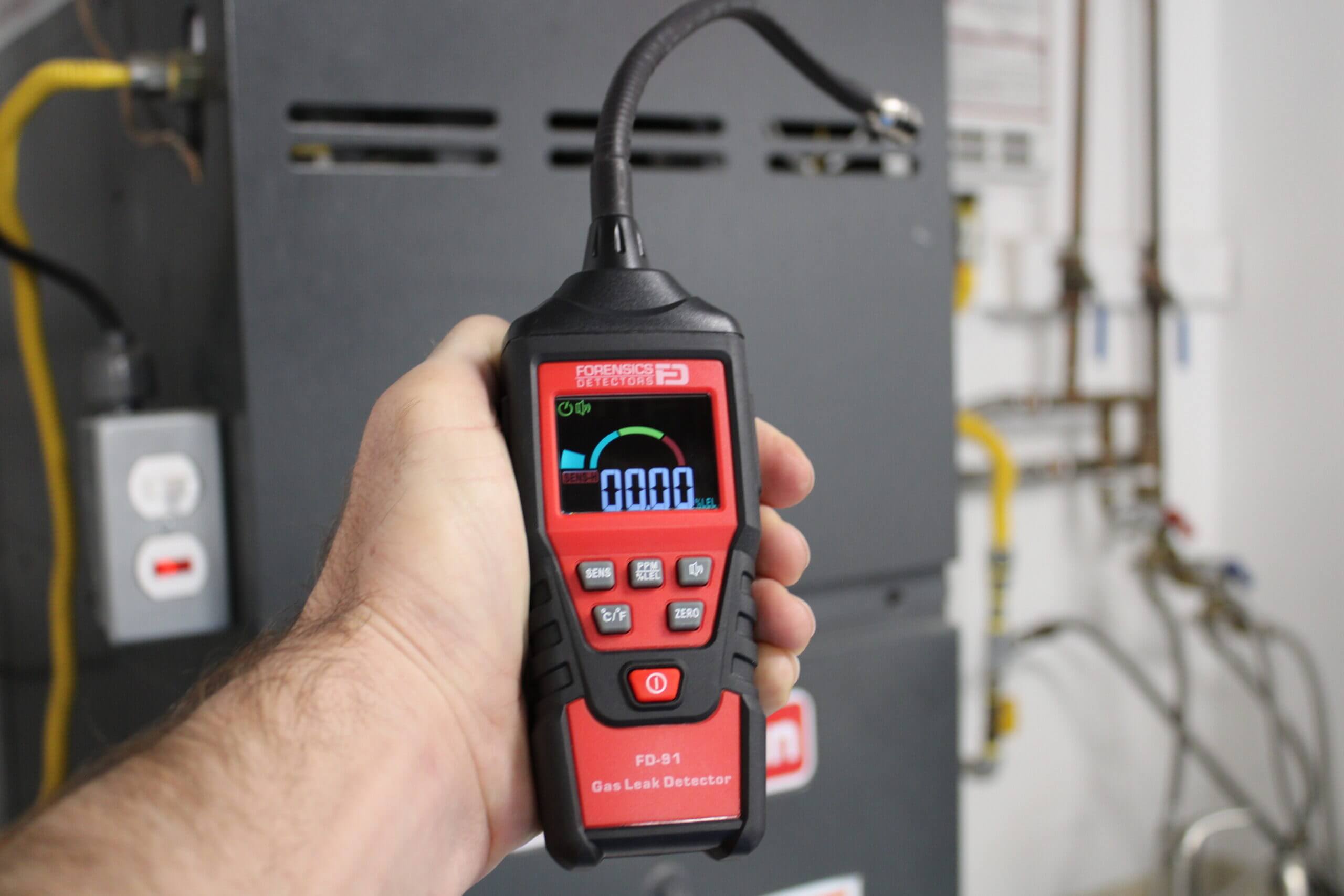
Discover our highly sensitive Natural Gas Leak Detector, featuring the finest Japanese FIGARO gas sensor for detecting even the slightest gas leaks. This compact, sturdy device, capable of withstanding a 10ft drop, is perfect for homeowners, plumbers, and HVAC professionals to locate natural gas leaks in lines, connections, or appliances.


It also detects propane leaks during grilling, RV travel, or camping. Commonly used in industrial settings such as underground storage tanks, oil rigs, maritime tanks, and silos, this detector is a must-have for inspectors, utility workers, refinery personnel, maintenance engineers, and technicians, ensuring safety and efficiency in both residential and industrial environments.


Combustible Gases Detected?

Detectable Gases detected by the Natural Gas Leak detector include: Acetone, Acetylene, Alcohol, Ammonia, Butane, Ethanol, Ethylene Oxide, Gasoline, Hexane, Methane, Naphtha, Natural Gas, Paint Thinners, Propane, and various Solvents.

Who Uses a Natural Gas Leak Detector?

Several individuals and professionals use natural gas leak detectors for various purposes. Here are some examples:

Homeowners: Homeowners use natural gas leak detectors to ensure the safety of their homes. These detectors are typically used forgas appliances, such as stoves, water heaters, and furnaces, to detect any gas leaks.

Property Managers: Property managers utilize natural gas leak detectors in residential and commercial buildings to protect the occupants and prevent gas-related accidents. These detectors help ensure compliance with safety regulations and provide prompt detection and response to gas leaks.

Utility Companies: Gas utility companies use natural gas leak detectors to inspect their infrastructure, including pipelines and distribution networks. These detectors assist in locating and identifying gas leaks.

Industrial Facilities: Industries that use natural gas as a fuel source, such as manufacturing plants, power plants, and refineries, employ gas leak detectors to monitor their operations. These detectors help prevent potential explosions, fires, or health hazards caused by gas leaks in industrial settings.

Emergency Response Teams: Firefighters, hazardous material response teams, and other emergency response personnel use natural gas leak detectors during gas leak incidents.

Environmental Agencies: Environmental agencies and regulatory bodies may use natural gas leak detectors to monitor and detect gas leaks in natural gas production, storage, and distribution facilities. This helps ensure compliance with environmental regulations and minimize the impact of gas leaks on the environment.

natural gas leak detector


What about Natural Gas Bump Testing?

Ensuring the proper operation of your natural gas leak detector is crucial. To confirm its functionality and build confidence, it is recommended to perform a bump test. This involves exposing the gas leak detector to natural gas or methane bump gas, which is sprayed on the sensor to induce a positive response.

If you do not have methane bump gas, you can simply expose the gas sensor to some stovetop gas to induce and confirm a reaction.

natural gas leak detector


What is Natural Gas?

Natural gas is primarily made up of methane (CH4). Here are the main components typically found in natural gas:

  1. Methane (CH4): Methane is the primary component of natural gas, typically making up 70-90% or more of its composition. It is a highly flammable and potent greenhouse gas.
  2. Ethane (C2H6): Ethane is often present in natural gas in smaller quantities, typically ranging from 0-20%. It is commonly used as a feedstock for the petrochemical industry.
  3. Propane (C3H8): Propane is another component of natural gas, usually found in smaller amounts, around 0-10%. It is commonly used as a fuel for heating, cooking, and as a feedstock for the production of petrochemicals.
  4. Butane (C4H10): Butane is a component that may be present in natural gas, typically in trace amounts.
  5. Carbon Dioxide (CO2): Carbon dioxide is a non-combustible component of natural gas, usually present in small quantities, ranging from 0-10%.
  6. Nitrogen (N2): Nitrogen is often found in natural gas, with concentrations varying from 0-10% or higher. It is an inert gas and does not contribute to the combustible properties of natural gas.

Additionally, natural gas can contain trace amounts of other gases, such as hydrogen sulfide (H2S), helium (He), and various impurities, which can be removed during processing and purification.

The composition of natural gas can vary depending on the source and location. Natural gas extracted from different fields or regions may have different proportions of these components, and the specific composition can impact its energy content, combustion characteristics, and potential applications.

Gas Leak Testing
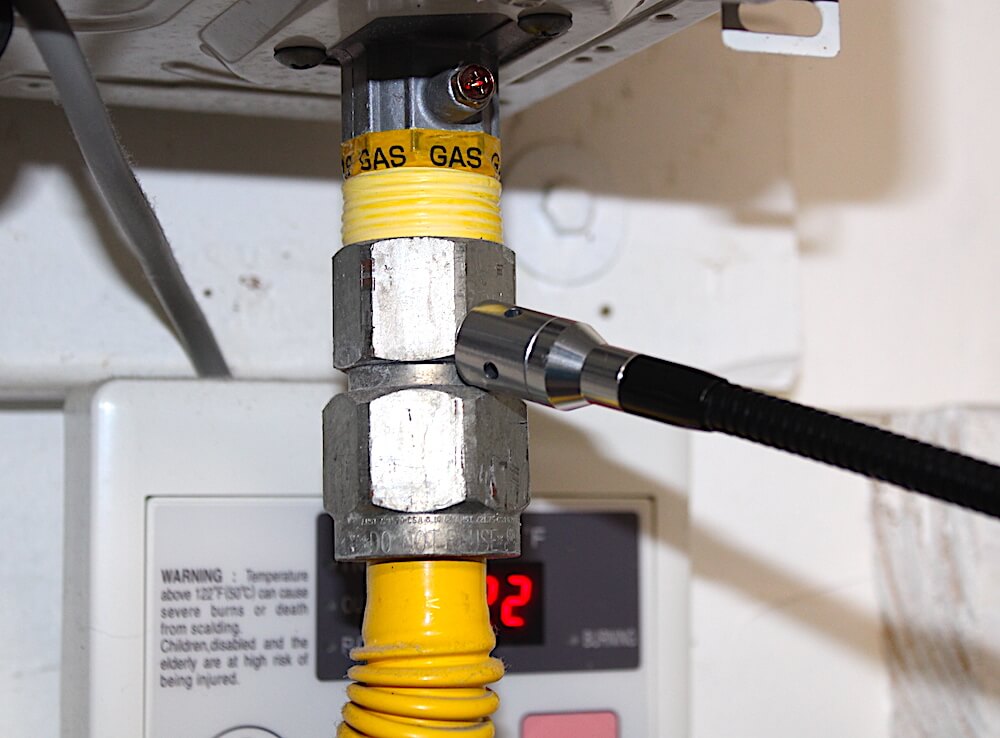
Gas Leak Testing of Appliance Connections (Natural Gas)


What Does A Natural Gas Leak Smell Like?

A natural gas leak typically smells like rotten eggs or sulfur. This is because natural gas is odorless in its natural state, so a chemical called mercaptan is added to give it a distinct odor that can be easily detected. If you smell this odor, it is important to evacuate the area immediately and call your gas company or emergency services.

How to Detect a Natural Gas Leak?

If you suspect you have a natural gas leak, you should use a tool such as a Natural Gas Leak Detector.

  • Begin by turning on the Natural Gas Leak Detector and allowing it to start operating after the countdown.
  • Next, perform a quick bump test to ensure the analyzer is functional. You can do this by exposing it to some natural gas or propane from your stovetop or other controlled source. The point here is to confirm the Natural Gas Leak Detector is indeed operating.
  • Once you have completed the bump test, take the Natural Gas Leak Detector and scan the area of interest, moving about 2 seconds per inch. Be patient and thorough to ensure you capture any natural gas.
  • Typical areas of leakage occur at gas lines, joints, valves, and fittings, as well as around the gas appliances. Make sure to check these locations.
  • Observe the detector's response. The units have a digital readout in PPM and %LEL so it is very sensitive.
  • If you have confirmed a gas leak, ensure you take appropriate action to maximize safety. This may involve turning off the gas supply, evacuating the area, and contacting a qualified professional or emergency services to address the situation.

How Long Does the Natural Gas Sensor Last?

Our Natural Ga Leak Detector is equipped with a made-in-Japan solid-state thermal semiconducting metal oxide sensor element. This is good news as these sensors have a much longer lifespan than traditional electrochemical gas sensors. In fact, semiconducting metal oxide sensors can last up to 10 years, whereas electrochemical gas sensors and catalytic gas sensors typically last only 2-3 years.

What are Safe Natural Gas Levels?

A natural gas leak can be dangerous as the combustible natural gas can accumulate creating a flammable and explosive situation.

Methane (CH4) is highly flammable and is explosive when levels are between 5% to 15% volume.

Even if the levels do not increase to explosive levels, OSHA has set the permissible exposure limit for methane at 1,000 parts per million (ppm) as a time-weighted average (TWA) for an 8-hour workday. NIOSH has a recommended exposure limit (REL) of 1,000 ppm for methane as a TWA.

Furthermore, we recommend if you do detect ANY gas leak of a combustible, such as natural gas, it MUST be addressed. Otherwise, the leak can increase and cause a major safety hazard.

Will a Natural Gas Leak set off Carbon Monoxide Detector?

No, a natural gas leak will not set off a carbon monoxide (CO) detector. Carbon monoxide detectors are specifically designed to detect and alert occupants to the presence of carbon monoxide gas.

Natural gas, on the other hand, primarily consists of methane (CH4) and no trace of carbon monoxide is within it.

How Should I Store my Natural Gas Leak Detector?

To ensure maximum sensor life and accurate measurements upon operation, it is recommended to store the Natural Gas Leak Detector in a moderate environment with a humidity level of 50%RH and a room temperature of approximately 70F. The unit should be kept in the hard waterproof case it was sold with for optimal storage conditions.

Conclusion

  • A natural gas leak detector is a device designed to find natural gas leaks along gas lines, connections, and appliances.
  • They help identify and locate potential gas leaks to prevent accidents, fires, or explosions.
  • Natural Gas Leak Detectors include combustible sensor components that are sensitive to methane, which is the primary component of natural gas.
  • Natural gas leak detectors provide visual and audible alarms to alert users when gas concentrations reach potentially hazardous levels.
  • They are used in various settings, including residential homes, commercial buildings, industrial facilities, and by professionals such as inspectors, technicians, and emergency response teams.

About The Author

Dr. Kos Galatsis ("Dr.Koz") is the President of FORENSICS DETECTORS where the company operates from the scenic Palos Verdes Peninsula in Los Angeles, California. He is a subject matter expert on gas sensor technology, gas detectors, gas meters, and gas analyzers. He has been designing, building, manufacturing, and testing toxic gas detection systems for over 20 years.

gas detector expert

Every day is a blessing for Dr. Koz. He loves to help customers solve their unique problems. Dr. Koz also loves spending time with his wife and his three children going to the beach, grilling burgers, and enjoying the outdoors.

Read more about Forensics Detectors here.

Email:  drkoz@forensicsdetectors.com


source https://www.forensicsdetectors.com/blogs/articles/best-natural-gas-leak-detector

Sunday, 1 September 2024

Helium Leak Detector (in 2024)

Introducing Forensics Detectors' professional Helium gas analyzer, a powerful tool equipped with an advanced thermal conductivity sensor and a built-in pump. This device, factory-calibrated with a NIST traceability certificate from Los Angeles, CA, offers a detection range of 0-100% for He gas within 20 seconds and an accuracy of +/- 2% full-scale.


With a DC3.7V Li-battery 2000mAh, the analyzer provides over 6 hours of continuous use. It features a high-resolution LCD with backlight, calibration capabilities, and a built-in pump that enhances response time and ensures accurate He readings. The top barb allows for easy connection to standard tubing for leak testing or other probe types.


Why is Helium Used in Trace Gas Leak Detection?

Helium gas is very small and light making it a great carrier gas for leak detection. It is also inert so it will not react with any materials. While helium is commonly known for its use in party balloons, it plays a significant role in various industrial settings. Helium gas is widely used in applications such as welding, diving, rocket propulsion, cryogenics, MRI, processing, meteorology, and research & development.

Who Uses a Helium Leak Detector?

A helium leak detector is used by various industries to detect and locate small leaks in systems and components. Some of the industries that commonly use helium leak detectors include aerospace, automotive, HVAC, refrigeration, and semiconductor manufacturing. These industries use helium leak detectors to ensure that their systems and components are leak-free and functioning properly. Helium leak detectors are also used in research and development laboratories to test the integrity of vacuum chambers and other equipment.

Gas Leak Testing


What about Helium Gas Calibration?

Gas detector calibration is a technical procedure performed every 6 to 12 months to ensure your helium gas leak detector is functioning accurately. Over time, the helium sensor may drift and degrade. The only way to ensure accurate and repeatable measurements is through gas calibration.

Gas calibration involves exposing the helium analyzer to a traceable concentration of test gas. We offer a service that performs calibration for you. However, you may elect to calibrate the analyzer yourself. In that case, we have a step-by-step calibration tutorial that you can follow. The calibration kit items required include:

Calibration T-piece & Tubing
Calibration Gas (He)
Calibration Gas Regulator (C10)


What about Helium Bump Testing?

Confirming the operation of your helium leak detector is very important. To build confidence and confirm the operation, the best practice is to expose the helium leak detector to some helium gas to confirm the operation. This is called bump testing.

This is achieved with helium bump gas that is sprayed at the input port of the analyzer to induce a positive response.

If you plan to purchase the helium gas bottle and regulator, you do not need the bump gas, as the calibration gas, in this case, can also serve as the bump gas.


Any Extra Accessories Required?

All items to operate the helium leak detector comes with the unit package. However, calibration kit items do not. Additional accessories that are sold separately include:

Accessories:
Calibration T-piece & Tubing
Calibration Gas (He)
Calibration Gas Regulator (C10)
Bump Gas (Helium)
Gas Detector Stand
Gas Detector Calibration Service (single gas)

How do I use the Helium Leak Detector?

  • Using the helium leak detector is a simple process. To begin, turn the analyzer on and allow it to start operating after its countdown.
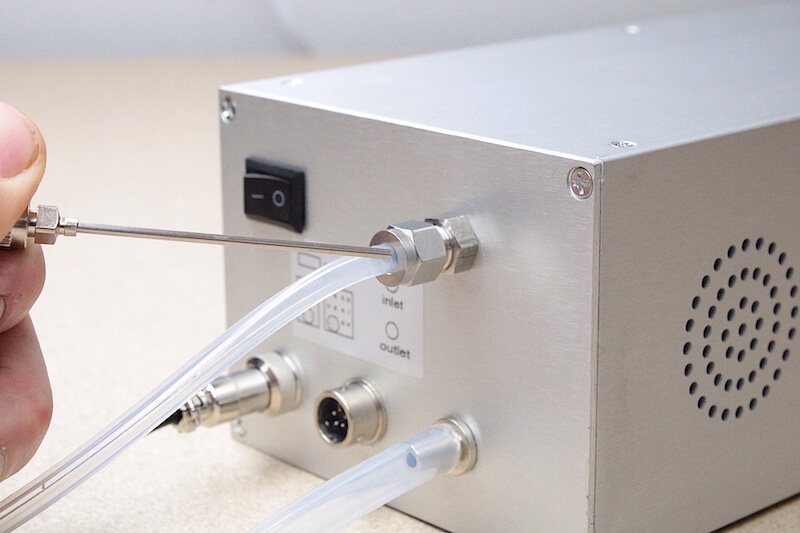
  • If you are undertaking leak detection, install the tubing and needle. Make sure there are no blockages.
  • Undertake a quick bump test to build confidence the analyzer is functional. Here we are assuming the analyzer is within the calibration period, so we are set to go. Otherwise, get the unit calibrated if you are serious about absolute best practices for maximum sensitivity and accuracy.
  • Once bump tested, take the probe and scan the area of interest. Move about 2 seconds per inch. Be patient to ensure you capture any leaking helium gas.

How Long Does the Helium Gas Sensor Last?

The good news is that the Helium Leak Detector has a solid-state thermal conductivity sensor. These sensors last between 6 to 10 years and sometimes even longer. In other words, thermal conductivity sensors last much longer than traditional electrochemical gas sensors which have a life between 2-3 years.

How Should I Store my Helium Leak Detector?

The Helium Gas Leak Detector should be stored at moderate humidity and temperature. Ideally humidity at 50%RH and at room temperature at about 70F. Store the unit in the hard waterproof case that the unit is sold with. Moderate storage temperature will ensure to maximize the life of the sensor and also ensure accurate measurements when you go to turn on the unit for operation.

Conclusion


  • Helium Leak Detectors are used to detect helium gas leaks in specific applications such as MRI, welding, rocket propulsion, cryogenics, meteorology, and research and development
  • Helium leak detectors are also called helium gas sniffers, helium gas analyzers, and helium gas testers.
  • Helium Leak Detectors are not cheap. They are expensive items.
  • Helium Leak Detectors are not purchased daily, so make sure you are well-educated and know exactly what you are getting.

About The Author

Dr. Kos Galatsis ("Dr.Koz") is the President of FORENSICS DETECTORS where the company operates from the scenic Palos Verdes Peninsula in Los Angeles, California. He is a subject matter expert on gas sensor technology, gas detectors, gas meters, and gas analyzers. He has been designing, building, manufacturing, and testing toxic gas detection systems for over 20 years.

gas detector expert

Every day is a blessing for Dr. Koz. He loves to help customers solve their unique problems. Dr. Koz also loves spending time with his wife and his three children going to the beach, grilling burgers, and enjoying the outdoors.

Read more about Forensics Detectors here.

Email:  drkoz@forensicsdetectors.com


source https://www.forensicsdetectors.com/blogs/articles/best-helium-leak-detector

4 Gas Meter for Confined Space (Best in 2026)

A 4 gas meter for confined space is an essential gas detection device designed to simultaneously measure carbon monoxide (CO), oxygen (O2), ...