Sunday, 21 July 2024

Carbon Monoxide Leak Detector (in 2024)

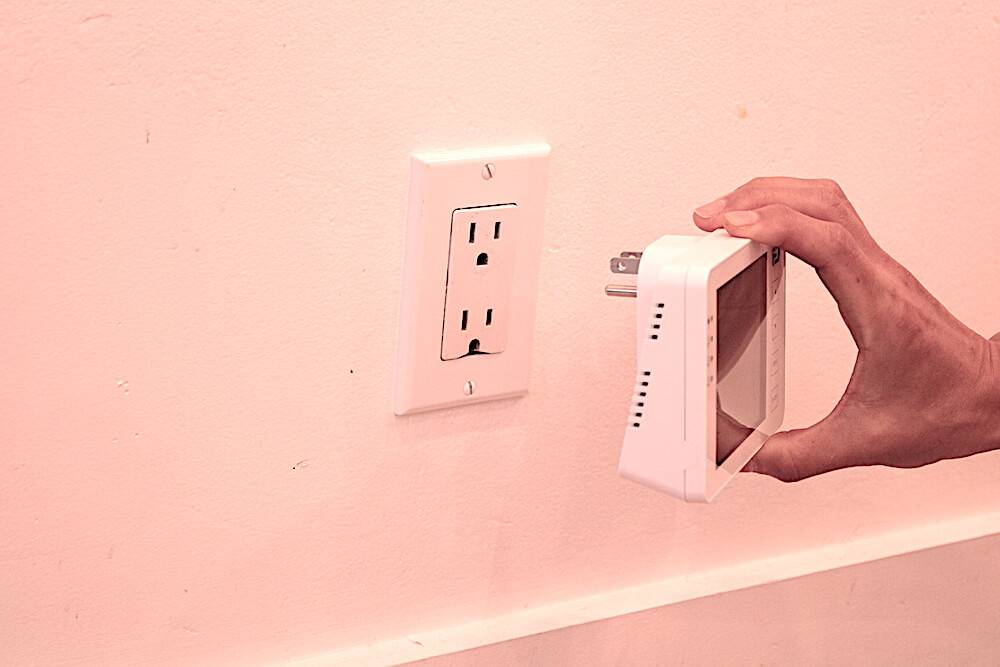
Introducing the Carbon Monoxide Leak Detector, a powerful tool for monitoring CO leaks in boilers, heaters, and gas appliances. With a sensitive 1 ppm resolution and a high range of 1000 ppm, this detector ensures accurate and reliable detection of carbon monoxide back-drafting.


The built-in pump and extendable probe allow for quick and efficient leak detection, even in hard-to-reach vents and registers. Equipped with a highly sensitive electrochemical sensor, USA NIST traceable source calibration, and featuring a user-friendly color screen with large digits and real-time graphing, this Carbon Monoxide Leak Detector is a must-have for ensuring safety and peace of mind.


CO Leak Detector Accessories?

How Can a Carbon Monoxide Leak Occur?

Carbon monoxide gas can leak into indoor spaces through various sources and mechanisms. Here are some common ways carbon monoxide can enter an indoor environment:

  1. Appliances & combustion: CO gas may leak if a fossil fuel-burning appliance is faulty. Such as a damaged heating system with a cracked heat exchanger. These are unintended escape and leak paths exhaust gas traverses that may enter the occupied indoor area and create a serious CO gas hazard.
  2. Blocked or damaged vents: Vents and chimneys are designed to safely carry exhaust and carbon monoxide out of a building. If these ventilation systems become blocked by debris, snow, bird nests, or other obstructions, or if they are damaged or improperly installed, carbon monoxide can accumulate and leak back into the living space.
  3. Vehicle exhaust:  If a vehicle is left running in an attached garage or if exhaust fumes from nearby roads or parking areas enter a building through open windows or inadequate ventilation, carbon monoxide can infiltrate the indoor environment.
  4. Backdrafting: Backdrafting occurs when there is negative pressure inside a building, causing outside air to be drawn in through vents or flues instead of being expelled. This reversal of airflow can result in exhaust carbon monoxide from appliances coming back into the living area.
  5. CO Leaks from Neighbors: In apartments and condos, it is common that a central pool heater, furnace, or boiler can contaminate adjoining spaces. In addition, adjacent vehicle parking garages may also contaminate and leak carbon monoxide into the indoor spaces.
  6. CO Leaks from Remodelling: I have also seen small engines such as mixers, grinders, and other small engines used in building and also triggering carbon monoxide leakage and poisoning.

Who Uses a Carbon Monoxide Leak Detector?

  • Inspectors: Professionals conducting inspections use carbon monoxide CO leak detectors and analyzers to assess the air quality of the indoor space. This could be to check to ensure OSHA levels are not being exceeded.
  • Industrial and Workplace Safety: Carbon monoxide CO leak detectors are utilized in industrial settings, factories, warehouses, and other workplaces where fuel-burning equipment or vehicles are used to ensure a safe working environment and comply with occupational health and safety regulations.
  • Homeowners: Individuals who own or rent homes use carbon monoxide leak detectors to check for leaks to ensure safety.
  • Property Managers: Those responsible for managing rental properties, apartment complexes, or commercial buildings often use carbon monoxide leak detectors to check CO levels.
  • HVAC Technicians: Heating, ventilation, and air conditioning (HVAC) professionals use carbon monoxide leak detectors during routine maintenance or repairs of heating systems to check for potential leaks or faulty combustion.

How to Test for a Carbon Monoxide Gas Leak?

To test for a carbon monoxide gas leak, take the following steps:

  • Use a CO Leak Detector: Acquire a carbon monoxide leak detector and use it at suspected leakage locations. These locations may be around appliances, HVAC registers, vents, flue connections, and indoor locations.
  • Monitor the Carbon Monoxide ppm Readings: Allow the carbon monoxide leak detector sufficient time to sample the air and provide accurate readings.  Monitor the detector's display or indicators for any changes in carbon monoxide levels.
  • Leak fixing: If a leak has been found. Take note of its location and tag the location. Address the leakage with an appropriate engineer or technician.

What Does A CO Gas Leak Smell Like?


Carbon monoxide (CO) gas is odorless, lacking any distinct smell. This makes it highly dangerous, as it cannot be detected by our sense of smell. Unlike gases such as natural gas, which have added odorants for detection, carbon monoxide has no specific scent. Relying on your sense of smell to detect a CO gas leak is unreliable. To ensure safety, it is essential to have functioning carbon monoxide detectors installed, as they are specifically designed to detect the presence of carbon monoxide and provide an audible alarm when dangerous levels are detected.

How to Test for a CO Gas Leak?


If you suspect you have a carbon monoxide gas leak, you should use a carbon monoxide gas leak detector to inspect.

  • Begin by turning on the Carbon Monoxide Leak Detector and allowing it to start operating after the countdown.
  • Next, perform a quick bump test to ensure the analyzer is functional. You can do this by using CO bump gas. The point here is to confirm the Carbon Monoxide Leak Detector is indeed operating.
  • Once you have completed the bump test, take the Carbon Monoxide Leak Detector and scan the area of interest. Be patient and thorough to ensure you capture any CO gas.
  • Observe the detector's response. The units have a digital readout in PPM so it is very sensitive.
  • If you have confirmed a Carbon Monoxide gas leak, ensure you take appropriate action to maximize safety.
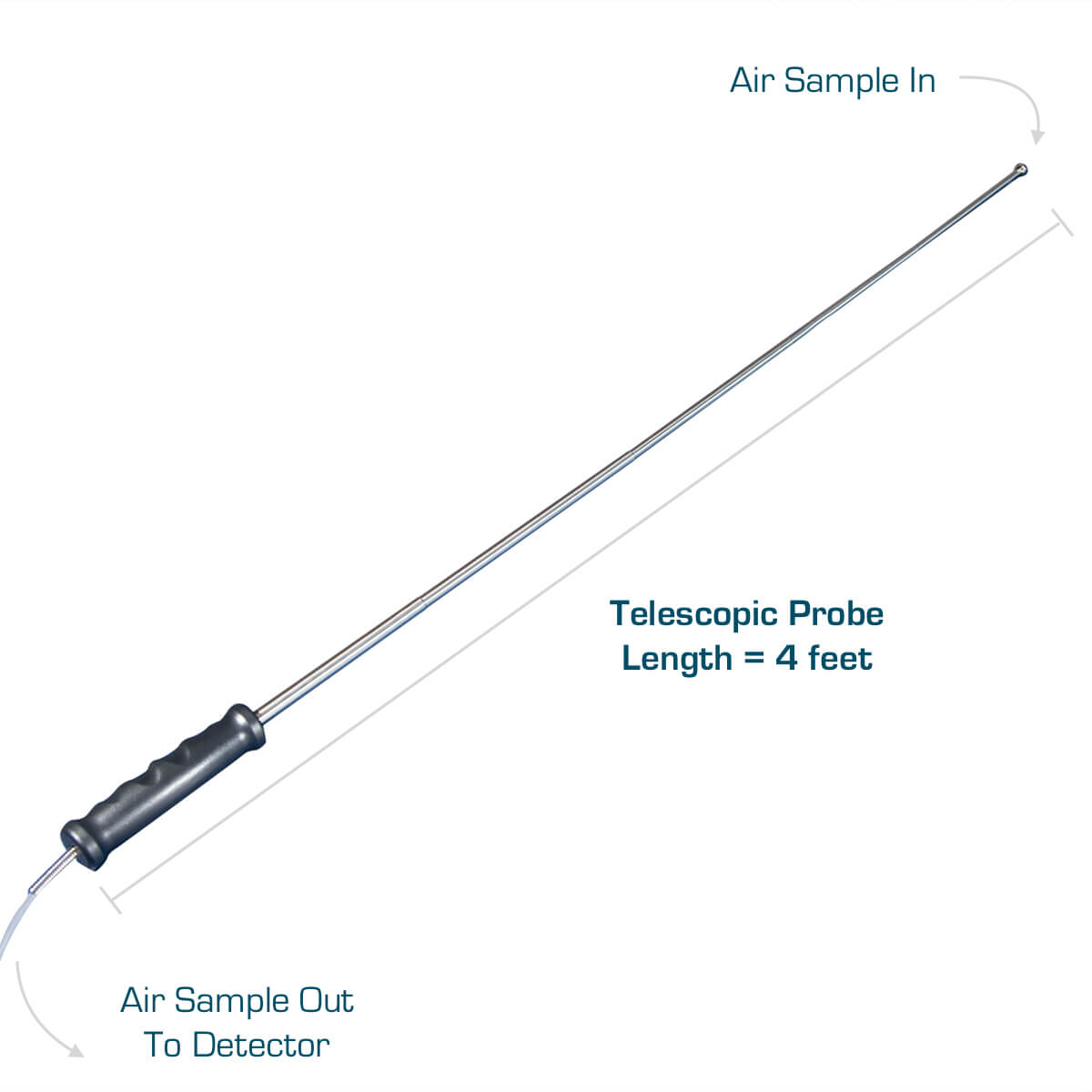
carbon dioxide leak detector


How Long Does the Carbon Monoxide Sensor Last?


The lifespan of a carbon monoxide electrochemical sensor is about 3 years. Some last up to 10 years. The sensor's lifespan is influenced by factors such as operating temperature, humidity, exposure to contaminants, and the frequency of calibration and maintenance.
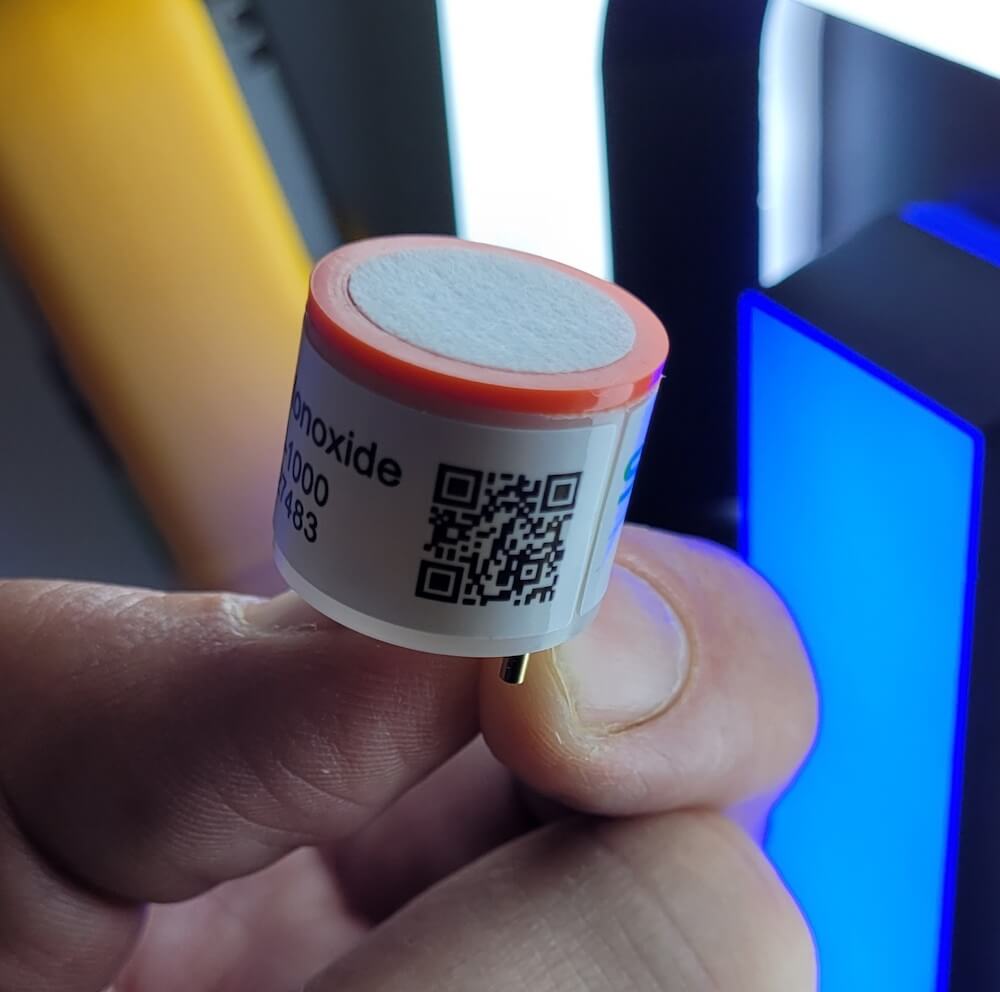
carbon monoxide gas leak sensor


How often should I test or calibrate my Carbon Monoxide leak detector?


You should bump test before using the Carbon Monoxide leak detector. Calibration should be performed between 6 to 12 months. Calibration can be done by our lab or you can perform the calibration yourself with our video tutorials.

To calibrate the carbon monoxide leak detector, follow our calibration tutorial and ensure you will need the below items:

Calibration T-piece & Tubing
Calibration Gas (CO)
Bump Gas (CO)
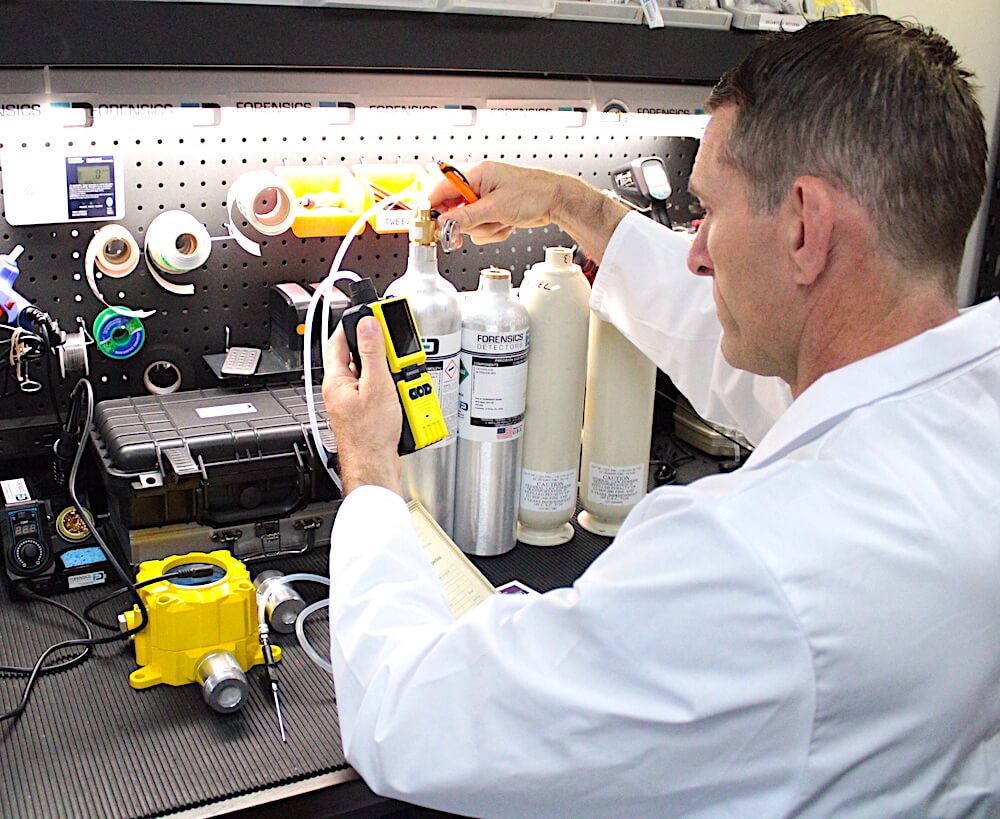
gas calibration


How do you know if you have a Carbon Monoxide Leak?


Detecting a carbon monoxide (CO) leak is crucial for your safety since carbon monoxide is a colorless and odorless gas that can be extremely dangerous. Here are some signs that can help you identify a potential carbon monoxide leak:

  1. Physical symptoms: Exposure to carbon monoxide can cause various symptoms, such as headache, dizziness, nausea, shortness of breath, confusion, and weakness. If you experience these symptoms while you're indoors, and the symptoms improve when you go outside, it could indicate a carbon monoxide leak.
  2. Appliance Yellow or flickering pilot light: If you have a gas appliance, such as a stove, furnace, or water heater, and you notice that the pilot light is yellow or flickering instead of being a steady blue flame, it could be a sign of improper combustion, which can produce high levels of carbon monoxide.
  3. Soot or excessive condensation: Black sooty marks around your gas appliances, walls, or vents, or excessive condensation on cold surfaces such as windows, can be indications of an inefficient or malfunctioning combustion process, which can produce carbon monoxide.
  4. Carbon monoxide detector alarm: Installing carbon monoxide detectors in your home is highly recommended, particularly a low-level CO detector for faster and earlier warning than a typical UL2034 carbon monoxide detector. These devices can alert you with an audible alarm if they detect high levels of carbon monoxide in the air. If your carbon monoxide detector goes off, or if it shows a reading above the acceptable level, evacuate the premises immediately and contact emergency services.

If you suspect a carbon monoxide leak using a carbon monoxide leak detector to find such a leak will help take corrective measures. When a home doesn't have much air circulation or air exchange with fresh air, carbon dioxide (CO2) can accumulate and also make occupants feel unwell.


How Does a CO Leak Detector Work?


Carbon monoxide analyzers monitor the presence of carbon monoxide gas in the air using electrochemical sensors, which are cost-effective and commonly used in units priced below $500. When exposed to carbon monoxide, these sensors produce a voltage output that increases linearly with the concentration of carbon monoxide. This allows the analyzer to display a quantitative representation of carbon monoxide levels in parts per million (ppm). The relationship between the voltage output and the CO ppm reading is established through calibration, where a known concentration of CO gas is used to determine the corresponding output voltage of the sensor. This calibration process ensures accurate and reliable measurements from the analyzer.
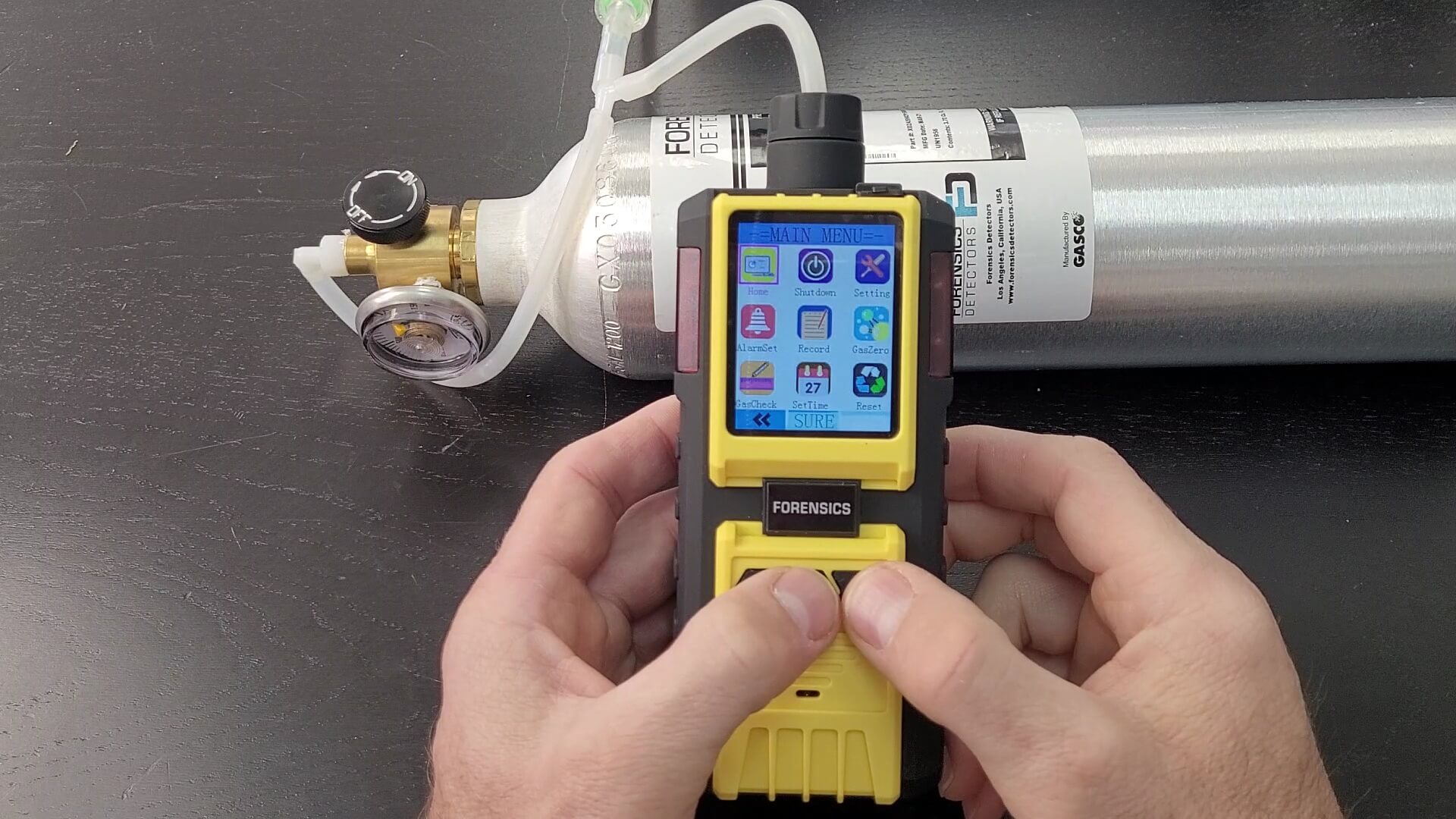
gas leak detector


How Should I Store my Carbon Monoxide Leak Detector?

To ensure maximum sensor life and accurate measurements upon operation, it is recommended to store the Carbon Monoxide Leak Detector in a moderate environment with a humidity level of 50%RH and a room temperature of approximately 70F. The unit should be kept in the hard waterproof case it was sold with for optimal storage conditions.

Difference Between a CO2 and CO Leak Detectors?

CO and CO2 are two different gases. People get confused which is unfortunate and can be very dangerous. In fact, many of our customers purchase CO2 leak detectors when they were actually seeking CO detectors.

In other words, CO detectors focus on detecting the toxic gas carbon monoxide, while CO2 detectors monitor carbon dioxide levels as an indicator of indoor air quality and ventilation. Both types of detectors serve important safety and health purposes, but they are designed for different gases and concerns.

Conclusion

  • A carbon monoxide leak detector is a device designed to find carbon monoxide leaks used by inspectors in homes, industries, and occupational spaces.
  • Carbon monoxide is the most dangerous gas known to man and many are injured due to carbon monoxide inhalation. Early leak detection of carbon monoxide gas can prevent many deaths and injuries.
  • A carbon monoxide leak detector should be used with an appropriate pinpoint probe, built-in pump (to increase detection speed), and display carbon monoxide concentration in ppm.
  • Be patient and slow when using a carbon monoxide gas leak detector. Ensure the unit is well maintained and used with patience.

About The Author

Dr. Kos Galatsis ("Dr.Koz") is the President of FORENSICS DETECTORS where the company operates from the scenic Palos Verdes Peninsula in Los Angeles, California. He is a subject matter expert on gas sensor technology, gas detectors, gas meters, and gas analyzers. He has been designing, building, manufacturing, and testing toxic gas detection systems for over 20 years.

gas detector expert

Every day is a blessing for Dr. Koz. He loves to help customers solve their unique problems. Dr. Koz also loves spending time with his wife and his three children going to the beach, grilling burgers, and enjoying the outdoors.

Read more about Forensics Detectors here.

Email:  drkoz@forensicsdetectors.com
Phone: +1 424-341-3886


source https://www.forensicsdetectors.com/blogs/articles/best-carbon-monoxide-leak-detector

Wednesday, 10 July 2024

Nitrous Oxide Gas Analyzer (2024 update)

A nitrous oxide gas analyzer is important for the safety and well-being of patients, healthcare professionals, and the environment. This instrument is used in dental clinics, x-ray rooms, laboratories and medical facilities. Nitrous oxide, often referred to as laughing gas, has numerous beneficial applications, such as providing analgesia and anesthesia during medical and dental procedures. However, exposure to high concentrations of nitrous oxide can lead to serious health risks, including dizziness, nausea, unconsciousness, and even asphyxiation. This is a risk factor to many medical and veterinary staff. The best nitrous oxide gas detectors continuously monitor the concentration of nitrous oxide in the air, providing real-time measurements and alerts when levels exceed predetermined thresholds. 

Pros

Cons

Safety: Protects patients and staff from N2O overexposure.

Compliance: Helps meet occupational health regulations between 25 ppm and 100 ppm (depends on region)

Real-time monitoring: Provides continuous, accurate readings.

⛔ Cost: N2O must be detected with NDIR sensors, which are very expensive.

False alarms: Sensitive sensors may trigger false positives.

Training required: Staff need proper training to use and interpret results.

Best Nitrous Oxide Gas Analyzer?

A nitrous oxide analyzer continuously monitors the concentration of N2O in the air, providing real-time measurements and alerts. By utilizing infrared sensors, nitrous oxide molecules can be sensed and detected. There are several excellent nitrous oxide gas monitors on the market. These include:

What is Nitrous Oxide Gas?

Nitrous oxide, commonly known as laughing gas, is a colorless, non-flammable gas with a slightly sweet odor. It is composed of two nitrogen atoms and one oxygen atom (N2O). Nitrous oxide has a wide range of applications, most notably in the medical and dental fields, where it is used as an anesthetic and analgesic. When inhaled, it produces a calming effect, reducing pain and anxiety while inducing a state of mild euphoria. In addition to its medical uses, nitrous oxide is utilized in the food industry as a propellant and in the automotive sector to enhance engine performance. 

What are the Nitrous Oxide Exposure Limits?

Nitrous oxide (N2O) gas exposure limits have been established by various occupational health and safety organizations to protect workers from potential health risks associated with prolonged exposure. Here are the key exposure limits for nitrous oxide:

  1. NIOSH (National Institute for Occupational Safety and Health):
    • Recommended Exposure Limit (REL): 25 ppm (parts per million) as a time-weighted average (TWA) for up to a 10-hour workday during a 40-hour workweek.
  2. OSHA (Occupational Safety and Health Administration):
    • OSHA does not have a specific standard for nitrous oxide. However, they often refer to NIOSH recommendations.
  3. ACGIH (American Conference of Governmental Industrial Hygienists):
    • Threshold Limit Value (TLV): 50 ppm as an 8-hour TWA.
  4. United Kingdom Health and Safety Executive (HSE):
    • Workplace Exposure Limit (WEL): 100 ppm as an 8-hour TWA.
  5. European Union:
    • Occupational Exposure Limit (OEL): 100 ppm as an 8-hour TWA.
  6. Australia:
    • Time-Weighted Average (TWA): 25 ppm for an 8-hour workday.

What is Nitrous Oxide Used For?

Nitrous oxide, commonly known as laughing gas, has diverse applications across various fields:

Medical and Dental Anesthesia:

  • Mild sedative and analgesic in dentistry (e.g., tooth extractions)
  • Pain relief during childbirth and minor surgical procedures in hospitals

Food Industry:

  • Propellant in whipped cream canisters
  • Creates light, airy texture in some processed foods

Automotive Industry:

  • Increases power output in high-performance car engines
  • Boosts engine performance for racing applications

Aerospace:

  • Oxidizer in rocket engines and spacecraft maneuvering systems

Electronics Manufacturing:

  • Etching agent in semiconductor production

Scientific Research:

  • Used in spectroscopic studies
  • Employed in atmospheric and climate research

Who Needs A Nitrous Oxide Gas Detector?

Nitrous oxide gas detectors are essential for various professionals and facilities where the gas is used or may accumulate. These include dental offices, hospitals, and surgical centers, where nitrous oxide is used for anesthesia. Veterinary clinics also benefit from these detectors. Industrial settings, such as food manufacturing plants and automotive workshops using nitrous oxide, require monitoring. 

Can You Smell Nitrous Oxide Gas?

Nitrous oxide gas has a slightly sweet odor that some people compare to the smell of sugar or cake batter. However, the ability to detect this odor depends on various factors, including the gas concentration and an individual's sense of smell. 

How do You Test for Nitrous Oxide Gas?

Testing for nitrous oxide gas is typically performed using specialized gas detection equipment, such as nitrous oxide gas detectors. These detectors employ various sensing technologies to accurately measure and monitor the concentration of nitrous oxide in the air. One common method is the use of infrared (IR) sensors, which measure the absorption of specific wavelengths of infrared light that are characteristic of nitrous oxide molecules. 

What are Nitrous Oxide Gas Sensor Interference Gases?

Nitrous oxide gas sensors are mostly sensitive to CO2 gas. Since the absorption band is close to the N2O band, it is recommend that a N2O analyzer use a CO2 filter when operating a N2O analyzer or a N2O monitor. An example of such a filter is below.

How Long Does a Nitrous Oxide Gas Detector Last?

The lifespan of a nitrous oxide gas analyzer depends on the NDIR sensor which should last over 5 years. Infrared (IR) sensors, often used in fixed or long-term monitoring systems, generally have a longer lifespan, ranging from 5 to 10 years or more. These sensors are less susceptible to environmental factors and have a lower drift rate compared to electrochemical sensors. 

How Are Humans Exposed to Nitrous Oxide Gas?

Humans can be exposed to nitrous oxide gas through various pathways, both in occupational settings and in everyday life. The primary routes of exposure include inhalation, ingestion, and, to a lesser extent, dermal contact.

The most common way humans are exposed to nitrous oxide is through inhalation. In medical and dental settings, nitrous oxide is administered as an anesthetic and analgesic, and professionals in these fields may be exposed to the gas during procedures. In industrial settings, workers may inhale nitrous oxide if it is used in manufacturing processes or if it is present as a byproduct. Recreational use of nitrous oxide, often referred to as "laughing gas," also exposes individuals to the gas through inhalation.

How Do I Test My Nitrous Oxide Gas Detector?

To ensure the accuracy and reliability of your nitrous oxide gas detector, it is essential to perform regular testing and calibration. The two main methods for testing your detector are bump testing and calibration.

Bump Testing: A bump test is a quick functional check to verify that the gas detector is working correctly. To perform a bump test, expose the detector to a known concentration of nitrous oxide gas (usually from a calibration gas cylinder) and ensure that the detector alarms and displays the expected concentration. Bump tests should be performed before each use or in accordance with the manufacturer's recommendations, typically at least once per day.

Calibration: Calibration is a more thorough process that involves adjusting the detector's response to match a known concentration of nitrous oxide gas. Recommended to be done between 6 to 12 months.

Is Nitrous Oxide Gas Toxic to Touch?

Nitrous oxide gas, in its gaseous state, is not toxic to touch. The gas does not easily penetrate the skin barrier, and brief contact with the gas itself is not likely to cause harm. 

What is Another Name for Nitrous Oxide Gas?

Nitrous oxide gas is commonly known by several other names, including laughing gas, nitrous, NOS, and whippets. The term "laughing gas" originated from the euphoric and relaxing effects the gas can induce when inhaled. "Nitrous" and "NOS" are abbreviations for nitrous oxide, often used in medical, dental, and automotive settings. "Whippets" refers to the small metal cartridges filled with nitrous oxide, which are sometimes used for recreational inhalation. 

Final Words

Investing in the best nitrous oxide gas detector is crucial for ensuring the safety and well-being of patients, healthcare professionals, and the environment in settings where this potent gas is used. These units are used in

hospital operating rooms, dental offices, veterinary clinics and surgical care centers. These analyzers are expensive and range from $3000 to $7000. Nitrous oxide poses significant risks if not properly monitored and controlled. The best nitrous oxide gas detectors utilize advanced sensor technologies, such as NDIR sensor technology.

About the Author

Dr. Kos Galatsis ("Dr.Koz") is the President of FORENSICS DETECTORS, where the company operates from the scenic Palos Verdes Peninsula in Los Angeles, California. He is a subject matter expert on gas sensor technology, gas detectors, gas meters, and gas analyzers. He has been designing, building, manufacturing and testing toxic gas detection systems for over 20 years.

gas detector expert

Every day is a blessing for Dr. Koz. He loves to help customers solve their unique problems. Dr. Koz also loves spending time with his wife and his three children going to the beach, grilling burgers, and enjoying the outdoors.

Read more about Forensics Detectors here.

Email:  drkoz@forensicsdetectors.com
Phone: +1 424-341-3886


source https://www.forensicsdetectors.com/blogs/articles/ensuring-safety-with-nitrous-oxide-gas-detectors

Sunday, 7 July 2024

CO2 Indoor Air Quality (in 2024)

Discover our precise CO2 monitor, designed to meet AB841 standards with a 1100 ppm alarm and max feature. This versatile product monitors indoor CO2 levels in various settings, including coffee shops, fitness gyms, restaurants, incubators, beer production, airplanes, and transport vehicles.


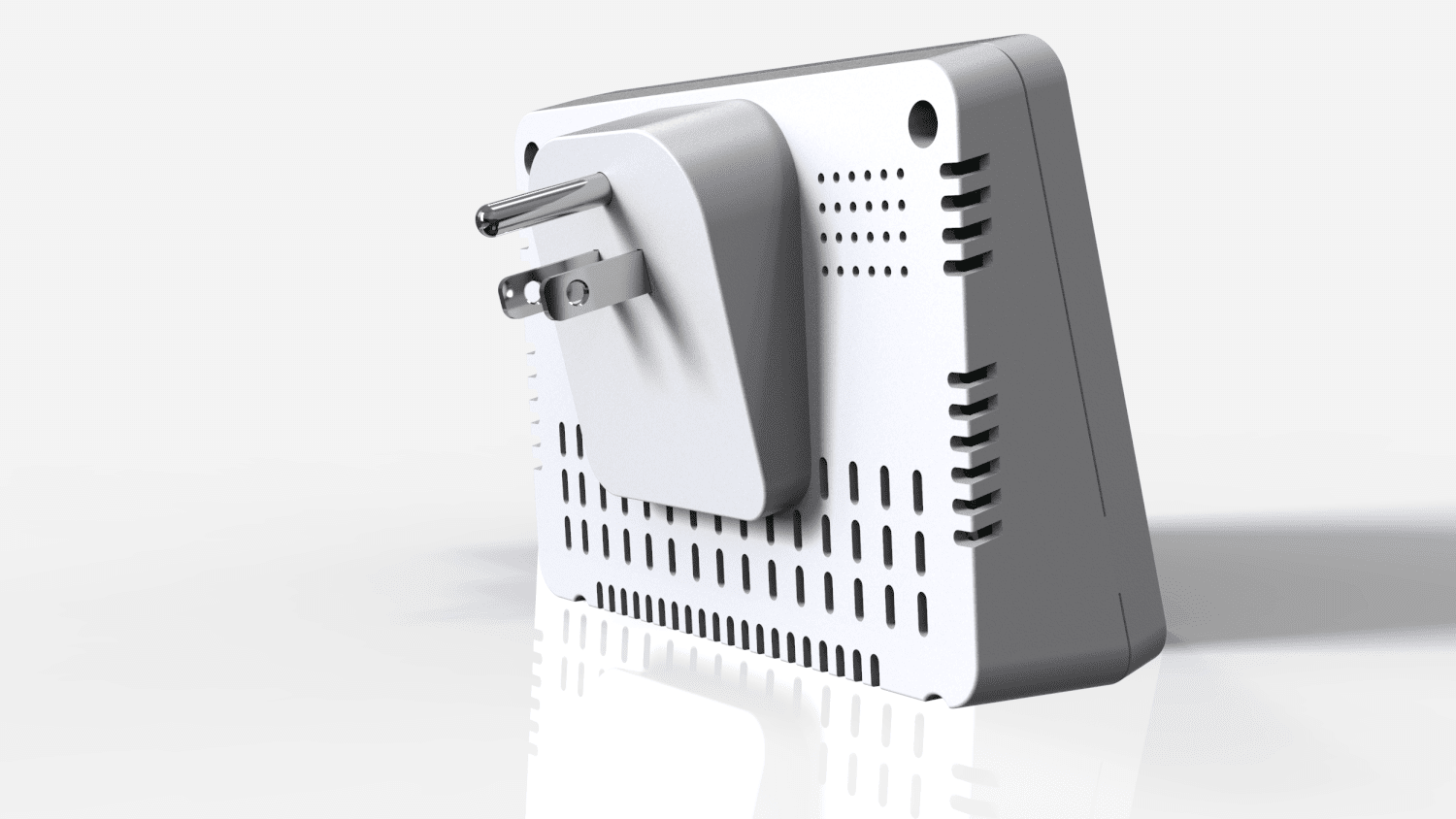
With direct wall 110v power, it offers plug-and-play convenience. The monitor also detects humidity, temperature, and time. Featuring an advanced NDIR sensor with 1 ppm resolution, this pre-calibrated monitor ensures high-quality CO2 monitoring right out of the box. Simply turn it on and start using it for reliable CO2 monitoring in a wide range of applications.


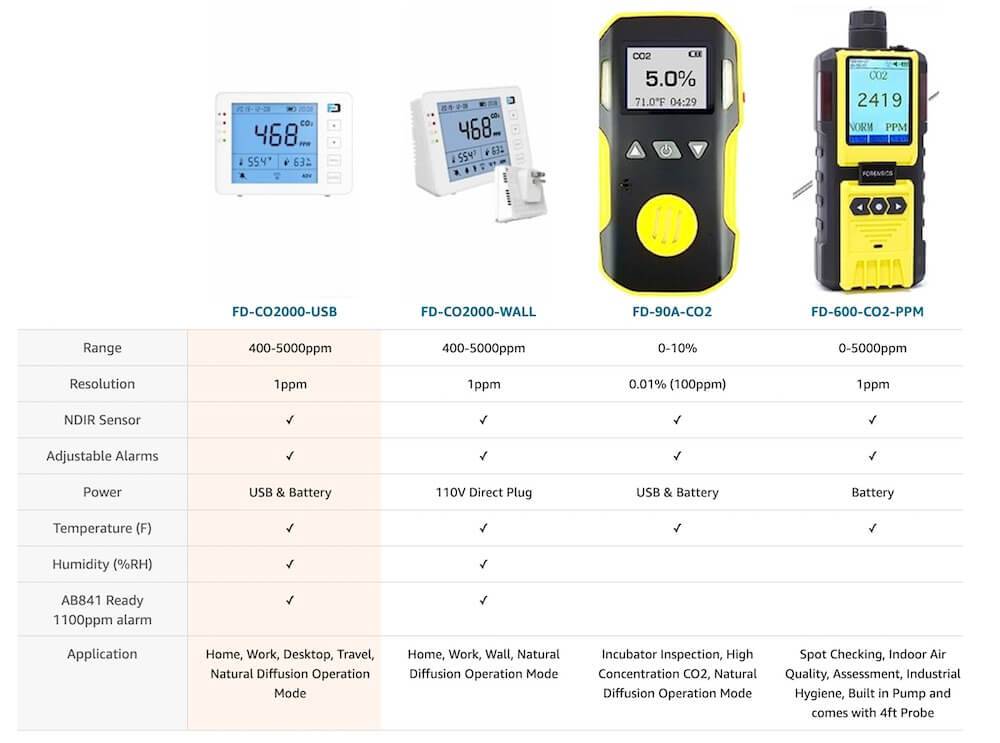
CO2 Monitor Comparison Chart


This CO2000 is a desktop and/or wall-mounted CO2 monitor. However, we also offer other CO2 detectors for various applications which are compared below.

CO2 Comparison Chart

CO2 Indoor Air Quality Importance

Properly monitoring carbon dioxide levels is a critical aspect of maintaining general air quality hygiene, as CO2 is exhaled along with aerosols that may carry pathogens from infected individuals.

Research conducted by the University of Colorado and Harvard School of Public Health has shown that measuring CO2 levels can serve as an indicator of indoor virus concentrations.

To minimize the risk of pathogen transmission, various government bodies, such as California State, and professional organizations like ASHRAE, recommend the monitoring of indoor CO2 air quality.

The Technical University of Berlin has also discovered that increasing the amount of uncontaminated air can help reduce indoor concentrations of CO2 and other aerosols, ultimately lowering the risk of infection. Therefore, implementing a strategy of continuous CO2 monitoring and activating measures like fresh air ventilation can be an effective way to mitigate the spread of pathogens in indoor environments.

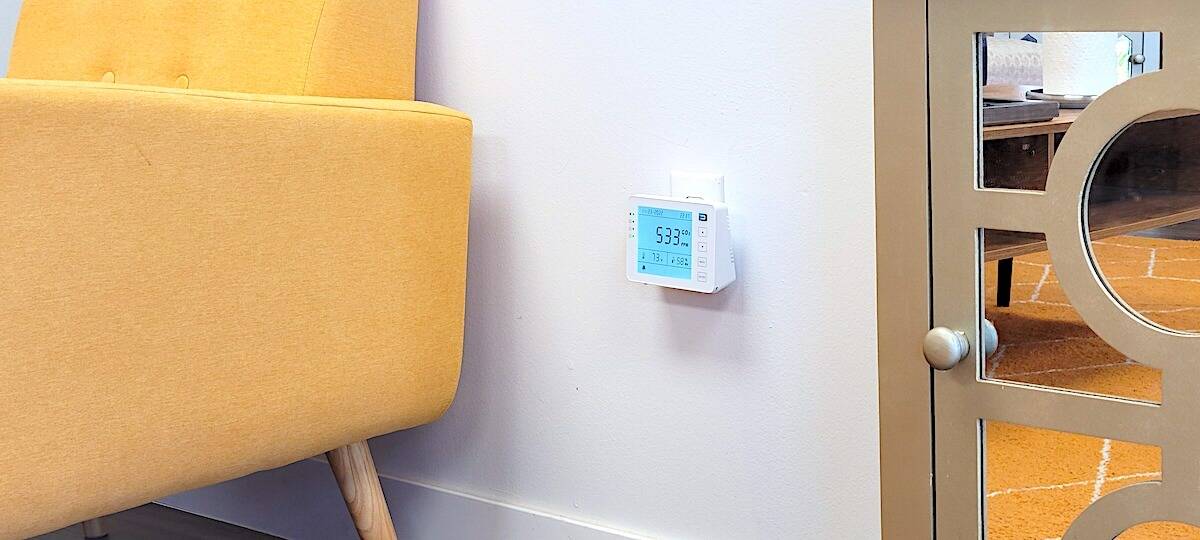
Carbon Dioxide Monitor Wall Mount Version.


CO2 Monitor Comparison

According to independent studies conducted by Breathairsafe, their CO2 monitors exhibit outstanding accuracy performance, surpassing that of CO2 monitors that are three times more expensive.

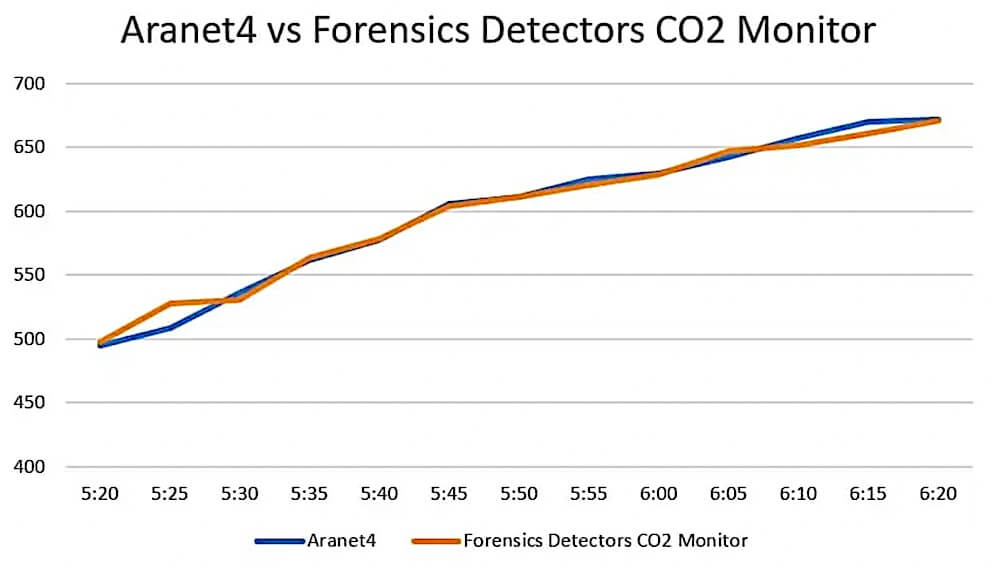
Breathairsafe conducted a calibration experiment in which they compared the Aranet4 and Forensics Detectors CO2 Monitors in the same environment. The results showed that for the next hour, the two monitors provided almost identical measurements. While there were a few readings that showed slight variations, these deviations were well within the margin of error for both devices (± 30ppm for the Aranet and ± 50ppm for the Carbon Dioxide Monitor).

CO2 Monitor Comparison Experiment


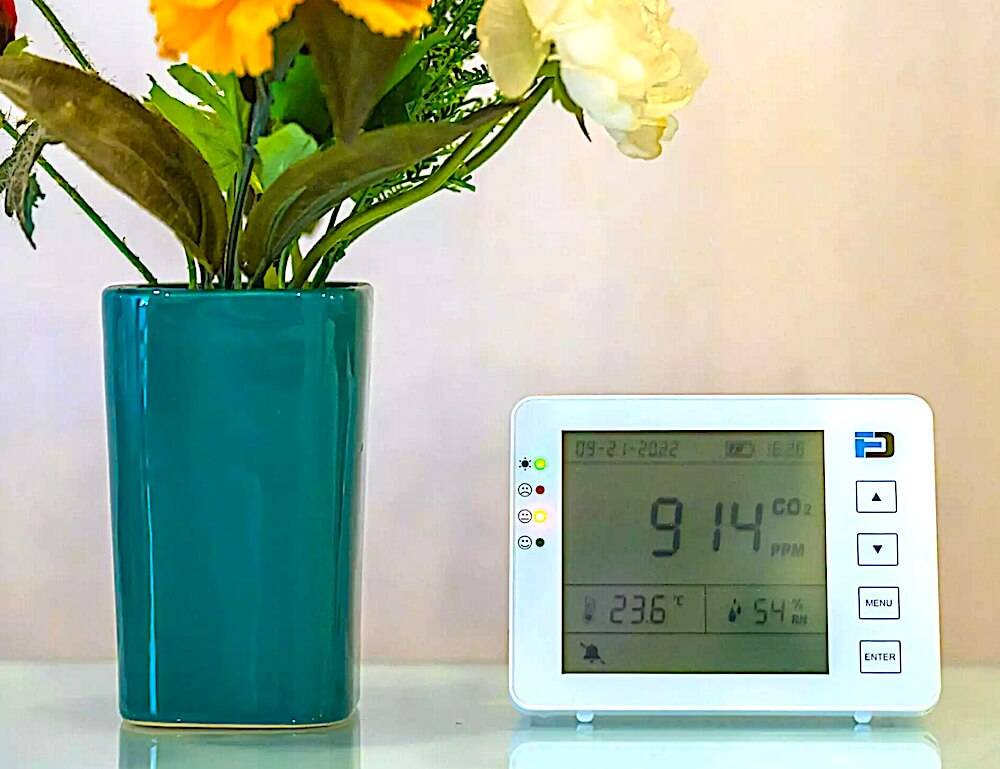
Breathesafeair.com Photograph of the CO2000 CO2 Monitor
CO2 Monitor


During the following week, Breathairsafe conducted further testing and kept both monitors on the desk to continue monitoring their readings. They noticed that the monitors consistently displayed measurements within a ten parts per million range and sometimes even showed the exact same concentration.

"I was impressed by the accuracy of the Forensics Detectors Carbon Dioxide Monitor, especially considering its lower cost."
CONCLUSION:
Breathairsafe says that they are "confident in stating that the product is accurate, provided it is calibrated correctly".

CO2 Features?

  • With a focus on wall functionality, this device is designed to be a convenient addition to your home or office space. Its user interface is thoughtfully designed, ensuring a clean and easily readable display. Thanks to its size and shape, you can easily spot it from several meters away.
  • To power the device, just plug it up to a wall power socket.
  • On the front of the device, you'll notice four LEDs on the left-hand side bezel. The first LED indicates the power status, while the other three LEDs are color-coded in green, yellow, and red to provide real-time air quality status. These LEDs are particularly useful for quick glances, especially during nighttime or from a distance.
  • Unlike some other monitors, the Forensics Detectors Carbon Dioxide Monitor does not use an E-ink screen. This design choice allows for the screen to be backlit. By simply pressing a button, you can instantly illuminate the screen, enhancing visibility even in low-light conditions.

CO2 Air Circulation Vents

Having ample air vents and openings is essential for any CO2 monitor, as it enables the surrounding CO2 molecules to swiftly reach the CO2 sensor. This design mechanism directly influences the speed at which your CO2 monitor can respond and stabilize the CO2 readings, closely approximating the CO2 levels one is inhaling. Additionally, the back of the unit features the ON/OFF button.


carbon dioxide monitor


What is it Lacking?

  1. NO CO2 DATALOGGING: To keep costs down, we made the decision not to include CO2 data logging features. Our market research indicated that less than 5% of customers are interested in this feature, so we wanted to avoid burdening the remaining 95% with unnecessary costs incurred by additional memory functionality.
  2. CO2 LIVE GRAPHING: We opted not to include this feature on the front screen as it tends to clutter the display, making it complicated and distracting to read. While some may find it "novel" and "neat," we found that most users prioritize quick and easy CO2-level readings. We chose to allocate the screen real estate to larger CO2 digits for enhanced readability.
  3. NO DIGITAL COMMUNICATION: Our CO2 meter does not have Bluetooth or WiFi capability, as less than 3% of our customers expressed interest in this feature. By excluding Bluetooth and WiFi chipsets, we were able to avoid additional costs. Our focus is on providing a cost-effective solution for our customers.
  4. NO PUMP: This unit does not have a built-in pump to force air to the sensor, unlike CO2 analyzer units with a probe. Our CO2 monitor is designed as a desktop unit, providing a reliable indication of indoor CO2 levels without the need for a pump.

    Our main objective is to design an easy-to-use, functional, and affordable CO2 monitor that is accessible to everyone. We made these decisions based on customer feedback and a commitment to keeping the device practical and cost-effective.

What is the Lifetime of a CO2 NDIR Sensor and a
O2 sensor?

CO2 NDIR (Non-Dispersive Infrared) sensors stand out as robust and solid-state devices, boasting a lifespan ranging from 5 to 15 years. The IR source is the critical component, and while it may degrade or experience rare failures, such occurrences are infrequent. The impressive advancements in micromachining and miniaturization of electronic components have contributed to a significant drop in the price of NDIR sensors over the last decade, making them more accessible.

In comparison, O2 sensors belong to the electrochemical sensor category, and they differ from NDIR sensors in being non-solid-state. O2 sensors utilize ionic conduction with a mixture of electroactive solutions. However, this composition makes them more delicate, and they generally last between 2 to 3 years. The main factor leading to their degradation is time, and it's crucial to be aware that these sensors may leak acid, which can potentially corrode sensor plug connections and other electronics within the analyzer. To ensure accurate readings and maintain sensor health, regular calibration and inspection of O2 sensors are vital.

FUN FACT!
Did you know this CO2 wall mount monitor is one-of-a-kind? It was the FIRST CO2 monitor in the world to be a direct 110V plug-in version.

When do I Calibrate my CO2 Monitor?

The CO200O CO2 monitor holds its calibration for over 1 year. That being said, we recommend annual calibration which simply means taking the unit out to fresh air and selecting the calibration menu item. Once done, it takes about 5 minutes for it to calibrate.

What are Good CO2 level?

Outdoor CO2 levels in fresh air is 410ppm. However, indoors, this level increases due to human exhalation of CO2 gas.

Various agencies and organizations have put forth recommendations and requirements regarding CO2 monitoring and permissible concentration levels in different settings:

California State Assembly Bill AB841:
- Requirement: Classrooms must have CO2 monitors that trigger an alarm at 1,100 ppm.

American Society of Heating, Refrigerating and Air-Conditioning Engineers (ASHRAE):
- Recommendation: Indoor CO2 concentrations in schools should be maintained below 1,000 ppm and below 800 ppm in offices.

Washington State:
- Requirement: Restaurants must conduct CO2 monitoring and set an alarm at 450 ppm.

German Federal Environment Agency:
- Recommendation: CO2 levels in classrooms and offices should be kept below 1,000 ppm.

Occupational Safety and Health (OSHA):
- Recommended 8-hour Time-Weighted Average (TWA) exposure limit: 5,000 ppm.

National Institute for Occupational Safety and Health (NIOSH):
- Recommended 8-hour TWA exposure limit: 5,000 ppm.
- Immediately Dangerous To Life or Health (IDHL) level: 40,000 ppm.

American Conference of Governmental Industrial Hygienists (ACGIH):
- Recommended 8-hour TWA exposure limit: 5,000 ppm.
-Ceiling exposure limit (not to be exceeded) for a 10-minute period: 30,000 ppm.
- IDHL level: 40,000 ppm.

These guidelines and limits are essential for maintaining safe indoor air quality and protecting the health and well-being of occupants in various environments.


Conclusion

  • The significance of air quality monitoring, particularly CO2 monitoring, has increased during the COVID-19 pandemic.
  • CO2 monitors are widely utilized in various settings, such as classrooms, gyms, workplaces, and offices, to monitor and track CO2 air quality levels.
  • These monitors play a crucial role in assessing the risk of pathogen transmission indoors and are sometimes mandated for such environments.
  • CO2 monitoring is an affordable solution, with prices generally below $100, and these monitors boast a long lifespan of over 10 years.
  • It's essential to note that when CO2 levels exceed 2000 ppm, they can have physiological effects on humans, underscoring the importance of maintaining optimal indoor air quality.
  • A word of caution: It's crucial not to mistake carbon dioxide (CO2) monitoring with carbon monoxide (CO) monitoring. These are two distinct gases, each requiring its specific gas detectors for accurate monitoring and safety measures.

About The Author

Dr. Kos Galatsis ("Dr.Koz") is the President of FORENSICS DETECTORS where the company operates from the scenic Palos Verdes Peninsula in Los Angeles, California. He is a subject matter expert on gas sensor technology, gas detectors, gas meters, and gas analyzers. He has been designing, building, manufacturing, and testing toxic gas detection systems for over 20 years.

gas detector expert

Every day is a blessing for Dr. Koz. He loves to help customers solve their unique problems. Dr. Koz also loves spending time with his wife and his three children going to the beach, grilling burgers, and enjoying the outdoors.

Read more about Forensics Detectors here.

Email:  drkoz@forensicsdetectors.com
Phone: +1 424-341-3886


source https://www.forensicsdetectors.com/blogs/articles/co2-monitor-plug-in-110v-ac

4 Gas Meter for Confined Space (Best in 2026)

A 4 gas meter for confined space is an essential gas detection device designed to simultaneously measure carbon monoxide (CO), oxygen (O2), ...