Sunday, 19 May 2024

CO2 Monitor for Industrial Safety (in 2024)

Introducing our advanced wall-mounted CO2 monitor, a versatile solution for industrial and business settings. With a durable dual-channel NDIR CO2 sensor boasting a 10-year lifespan, this monitor ensures accurate and reliable monitoring across various applications. Featuring both analog and digital signal outputs, it stands out for its two integrated power relays, intelligently linked to adjustable alarm setpoints. These relays control essential equipment, efficiently responding to CO2 levels. Tailor the monitoring system to your needs, as the relays activate based on low and high alarm triggers, supporting up to 1kW. Enhance workplace safety and efficiency with our cutting-edge CO2 monitoring solution.

Maintaining indoor CO2 levels as close to 410 ppm, which corresponds to outdoor CO2 concentrations, is the ultimate objective in air quality. It is important to ensure that indoor CO2 does not exceed 1000 ppm. If it does, it is imperative to introduce additional fresh air to effectively renew the indoor environment.


The American Society of Heating, Refrigerating, and Air-Conditioning Engineers (ASHRAE) and other organizations suggest maintaining indoor CO2 levels below 700 ppm above the outdoor air level, which is between 1000 and 1100 ppm. Therefore we recommend the first alarm point in any CO2 monitor to be set at 1000ppm.

Case Study 1: CO2 for Breweries

This study demonstrates the impact of venting fermentation CO2 and unintentional CO2 venting during CO2 storage tank filling. This study is undertaken inside an Australian craft brewery.

The CO2 Brewery Problem

Breweries provide a prime example of how CO2 is generated as a by-product of fermentation, where yeast converts glucose into alcohol and CO2, a critical component of beer production. While larger breweries can capture and reuse fermentation CO2 for beer carbonation, this technology is often financially out of reach for smaller breweries.
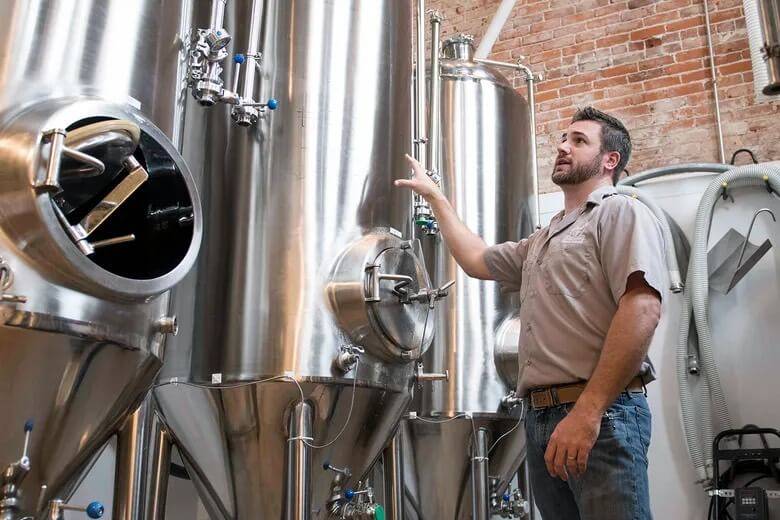
carbon dioxide brewery

CO2 can exhibit a safety concern in a brewery due tot he CO2 generated by the fermentation process. Therefore the necessity of CO2 monitoring for breweries.

Instead, small or medium-sized breweries typically vent CO2 from fermentation tanks directly into the indoor environment, while CO2 for carbonation is purchased separately and pumped into large indoor/outdoor storage tanks via delivery trucks. However, this venting process, along with unintentional venting during CO2 storage tank refilling, poses a risk that could cause indoor CO2 levels to exceed safe limits. Therefore, adequate CO2 monitoring systems must be in place to ensure safe IAQ.

CO2 Brewery Results

This study revealed that indoor CO2 levels can rise significantly, with a maximum level recorded in excess of 18,000 ppm and maximum time periods exceeding 1000 and 10,000 ppm equivalent to 425 and 26 minutes, respectively.

STUDY CONCLUSIONS

This study showed that extremely high CO2 levels can exist in breweries making it a very dangerous occupational space. It also dentified differences in measured CO2 levels at different times and locations throughout the brewery, highlighting the inadequacy of just having a single CO2 monitor. Instead, a network of portable or wearable CO2 detectors is more suitable and recommended for best safety.

Case Study 2: CO2 for Hydroponics

One of my favorite CO2 studies investigated the impact of varying CO2 concentrations on the growth of winter wheat using controlled growth chambers.

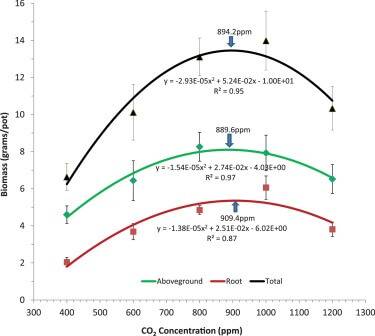
The CO2 levels were set at 400, 600, 800, 1000, and 1200 ppm, respectively. The study observed that an initial increase in CO2 concentration significantly enhanced winter wheat growth, thanks to the CO2 fertilization effect. However, this effect diminished with further increases in CO2 levels, indicating an optimal CO2 concentration for different aspects of growth.

The optimal CO2 concentrations identified were approximately 889.6 ppm, 909.4 ppm, and 894.2 ppm for aboveground, belowground, and total biomass, respectively, while leaf photosynthesis showed an optimum at 967.8 ppm.

Beyond these optimal points, higher CO2 concentrations had adverse effects. They reduced leaf stomatal density, length, and conductance, and also altered the spatial distribution pattern of stomata on leaves.
CO2 levels for growing
Optimal CO2 levels for growing wheat. Results indicate between 800 to 1000 ppm is best. Beyond that, negative effects are incurred.

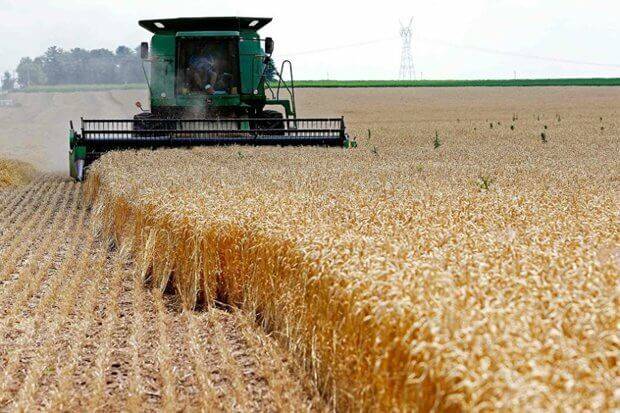
CO2 grow room wheat
Wheat is a key food input to our modern day and every little improvement helps including optimizing CO2 during growth.

CONCLUSION

Optimal CO2 levels for growing wheat. Results indicate between 800 to 1000 ppm is best. Beyond that, negative effects are incurred. In fact very similar for other crops!

Is CO2 used in Beer Draught Systems?


Yes, CO2 is used in the draught beer system to ensure freshness and propel the beer from the keg to the tap.

Carbon dioxide is supplied in CO2 tanks which is stationed at the retail site and refilled as required. This system is it now popular among average-sized bars and restaurants for their soda and beer systems and can be a cost-effective option for many.

The amount of CO2 stored can impact the potential for danger. With a small cylinder, if there is a CO2 leak, once the gas runs out, it is less likely to produce harm. However, bulk tanks contain significantly larger amounts of CO2, which can pose a lethal threat if there is a leak in the cooler.
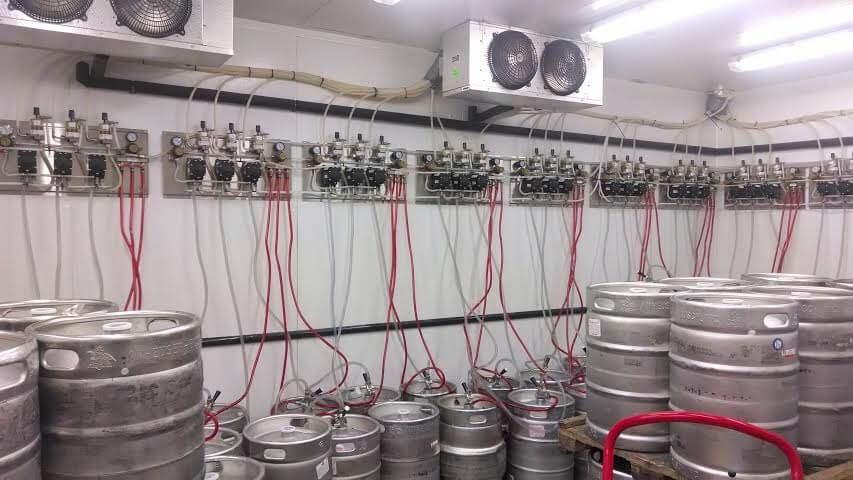
Co2 draught beer carbon dioxide

Here are some guidelines and precautions to ensure safe handling of carbon dioxide:

  • Early Detection with CO Monitors: CO2 detection monitors equipped with alarms can be a valuable preventive measure. Some alarms have both an audible signal and a strobe light to alert individuals. These devices are relatively inexpensive and can be lifesaving. It is important to test and ensure that all alarms are functioning correctly at least once a year.
  • Adequate Ventilation: Walk-in coolers can be updated or installed with a proper ventilation system to reduce the risk of gas accumulation to hazardous levels in an enclosed space. This means ensuring fresh air from the outdoors is entering the confined space.
  • Easy Exits: It is crucial to ensure that the cooler door is functioning correctly from both the inside and outside and is easy to exit in case of an emergency.
  • Secure and Organized Storage: Keeping the cooler tidy and organized can also help prevent accidents such as trips or falls. A CO2 container should always be securely fastened to a wall to avoid accidental tipping and local codes for tank storage should be followed.

CO2 Air Circulation Vents


It is imperative for any CO2 monitor to have abundant air vents and openings to allow for the surrounding CO2 molecules to quickly reach the CO2 sensor. This design mechanism has a direct impact in how fast your CO2 monitor will be able to reliably react and stabilize the CO2 readings that approximate the same CO2 one is inhaling. The back of the unit also has the ON / OFF button.

What is the Lifetime of a CO2 NDIR Sensor and a O2 sensor?


Non-Dispersive Infrared (NDIR) sensors for CO2 are durable and made of solid-state components, allowing them to last between 5 to 15 years. The crucial factor is the IR source, which may degrade or fail completely (although this is a rare occurrence). Overall, NDIR sensors are impressive inventions that have significantly decreased in price over the last decade due to the miniaturization and micromachining of electronic components.

FUN FACT!
Did you know many people call us to ask for a CO2 detector, when in fact they meant to ask for a CO (Carbon Monoxide) detector. Dont get confused. CO2 and CO2 are very different gases and one detector does not detect the other 🙁

When do I Calibrate my CO2 Monitor?

We recommend calibrating your CO2 monitors every year.

Why so Expensive?


This industrial specification CO2 monitor is made for industrial situations. This means it incorporates features not seen in lower-cost CO2 monitors that are made for the home and office.

Some features found only in industrial CO2 monitors include:

  • Die Cast Aluminum Housing for industrial strength and protection
  • High Power relay switching to control fans, HVAC, lights and CO2 supply valves
  • Digital communication using 4-20mA and RS485 MODBUS
  • Industrial spec 24v rail power
  • Industrial Grade Specs Explosion-proof grade: Exd ⅡC T6 Gb, IP 65 protection


Conclusion

  • CO2 monitoring is necessary for various industries such as breweries, wine, hydroponics, and many others.
  • CO2 Monitors ensure safety and can also be used to control the environmental CO2 level by switching the CO2 supply or increasing ventilation.
  • CO2 monitors that are industrial spec are more expensive since they are more robust and typically have high-power relay switch functions.
  • Warning: Do not confuse carbon dioxide (CO2) with carbon monoxide (CO) monitoring. They are completely different gases.

About The Author

Dr. Kos Galatsis ("Dr.Koz") is the President of FORENSICS DETECTORS where the company operates from the scenic Palos Verdes Peninsula in Los Angeles, California. He is a subject matter expert on gas sensor technology, gas detectors, gas meters, and gas analyzers. He has been designing, building, manufacturing, and testing toxic gas detection systems for over 20 years.

gas detector expert

Every day is a blessing for Dr. Koz. He loves to help customers solve their unique problems. Dr. Koz also loves spending time with his wife and his three children going to the beach, grilling burgers, and enjoying the outdoors.

Read more about Forensics Detectors here.

Email:  drkoz@forensicsdetectors.com
Phone: +1 424-341-3886


source https://www.forensicsdetectors.com/blogs/articles/co2-monitor-industrial-safety

Sunday, 12 May 2024

CO2 Meter Handheld up to 100%(in 2024)

Introducing our state-of-the-art carbon dioxide (CO2) meter, a top-tier choice featuring a cutting-edge dual channel NDIR CO2 sensor. This meter is specifically designed for professional industrial technicians who require comprehensive CO2 detection capabilities beyond basic ambient readings. With a full volumetric detection range of 0-100%, it is the ideal solution for monitoring CO2 levels in various industrial settings, including silos, tanks, storage rooms, fermentation processes, and beer production. For those with more specific needs, we also offer the same model in 0-10% CO2 and 0-5000ppm CO2 ranges, ensuring that our customers have access to the most suitable tool for their unique requirements.

Note: The FD-90A-CO2 is a diffusive gas meter model, which means it does not have a built-in pump. If you want a forced air pump feature, you can purchase a separate pump option, or purchase the built-in pump CO2 0-100% version.


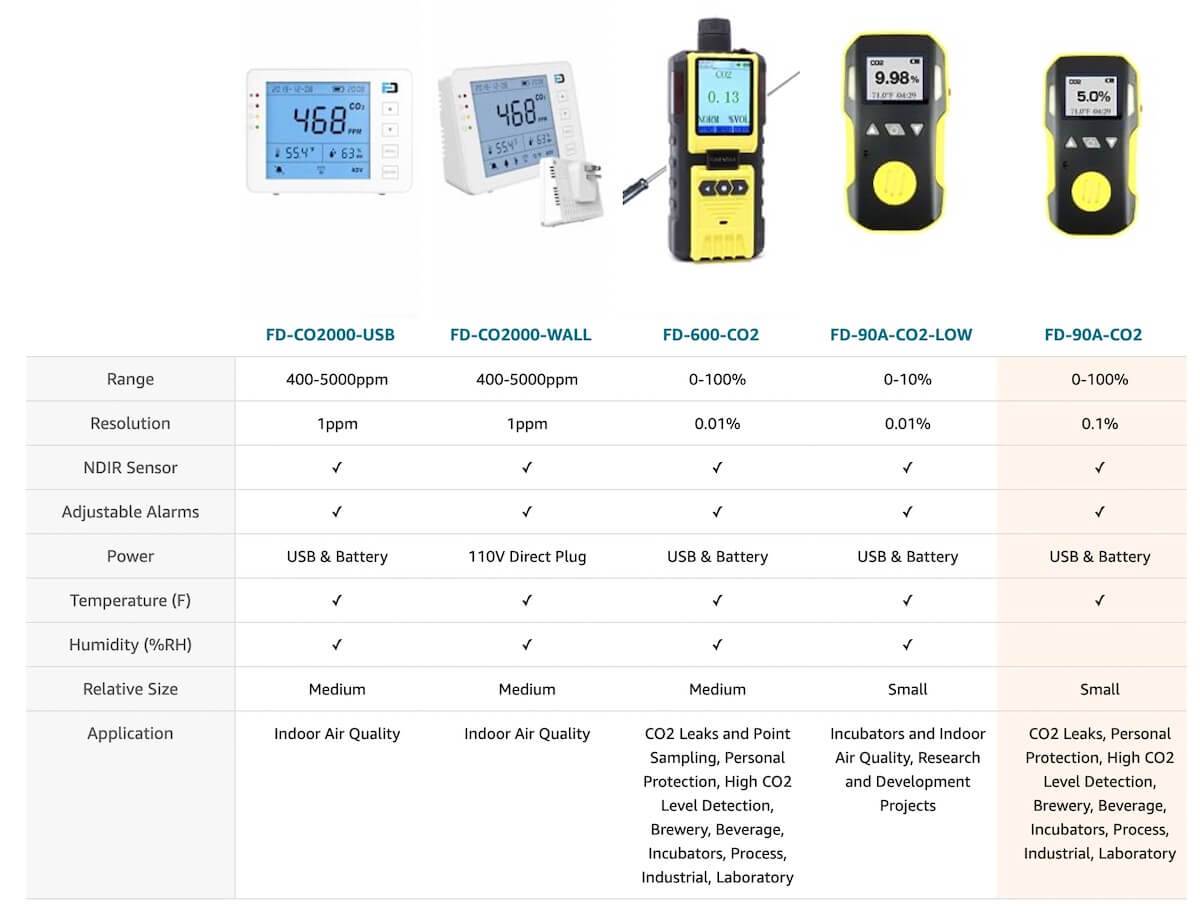
CO2 Meter (0-100%) Comparison Chart

Carbon Dioxide 0-100% Comparison Chart to Other Models.


What is a CO2 Meter?

A CO2 Meter is a small handheld unit that is able to detect the CO2 molecules in the air and measure their concentration relative to the volume of other gases. A CO2 meter usually costs between $300 to $2000.

A CO2 meter gauges the carbon dioxide levels indoors, in a silo, incubator, closed space, or any environment one decides to place the meter. A CO2 meter incorporates a Non Dispersive Infra Red sensor which selectively tracks the CO2 concentration via gas absorption. These sensors employ and IR lamp source and a thermopile with a carefully tuned thin film bandpass IR filter.

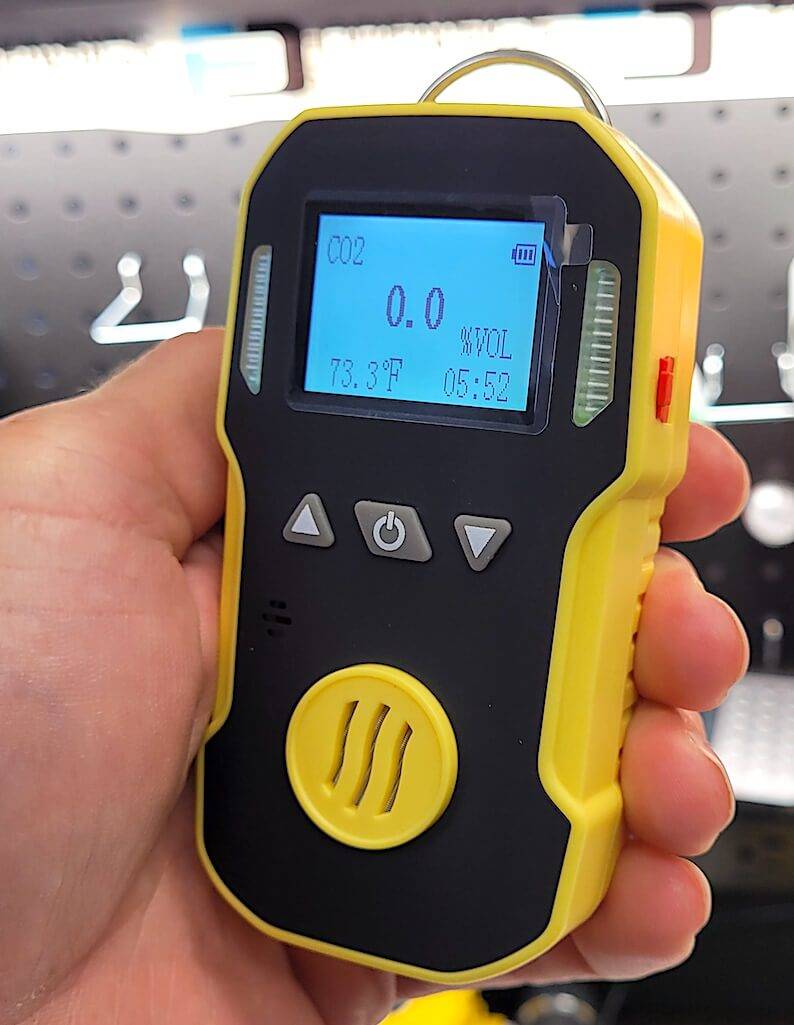
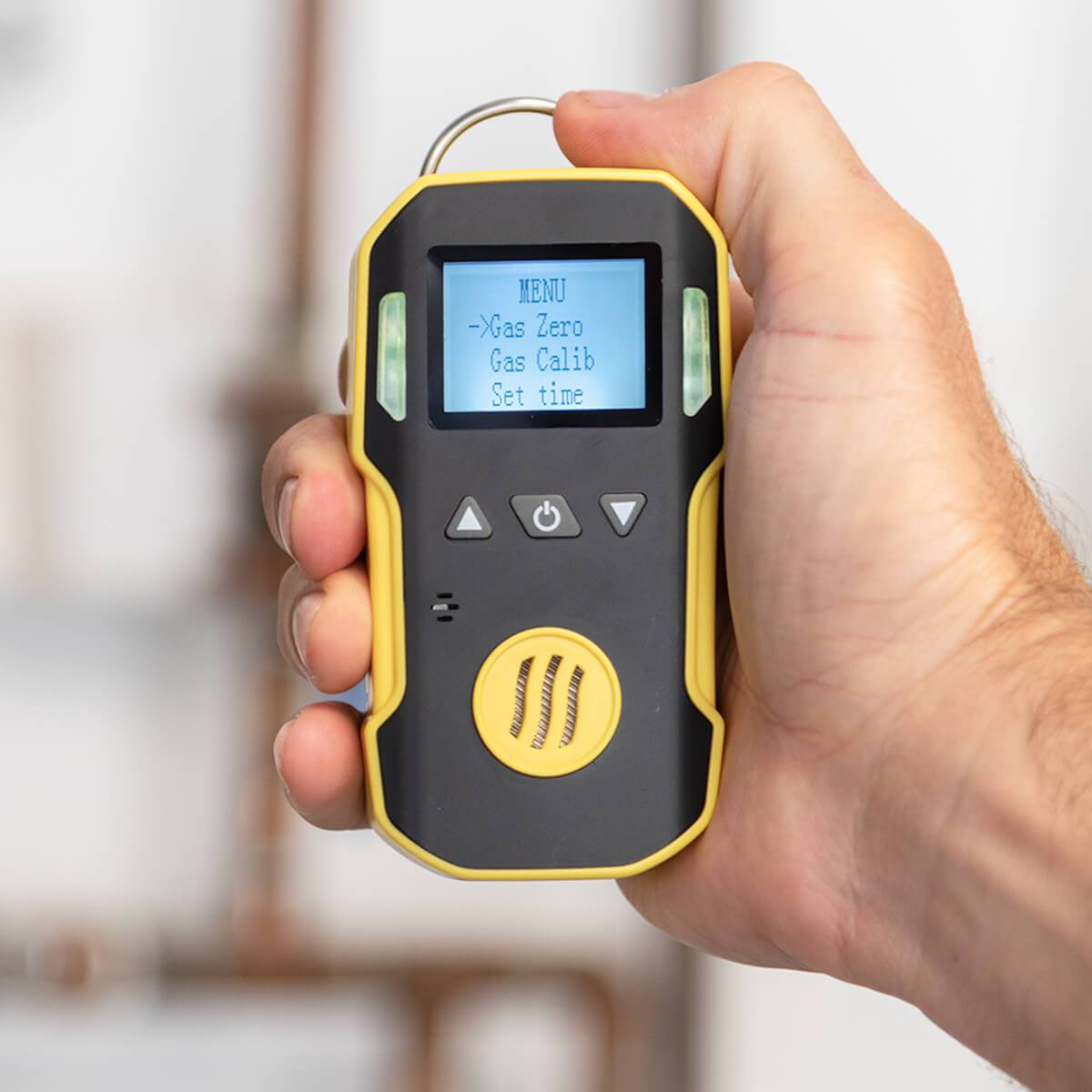
Handheld CO2 Meter used to detect CO2 in air and incorporating a NDIR sensor.


Case Study 1:
CO2 Levels in Insect Control for Grain Storage

An interesting study looks at employing CO2 derived from biogas to control pest infestation in wheat grain storage.

Controlling pests in wheat storage is paramount. Post-harvest losses occur in harvesting, threshing, cleaning, storage, processing, and transportation. Insect infestation can damage food quality, affect human health, and create a breeding ground for microorganisms. Phosphine gas is currently widely used, but pest resistance is increasing due to poor sealing and inefficient use. Carbon dioxide (CO2) as a controlled atmosphere offers a potential alternative to traditional fumigants for pest control.

Employing CO2 gas for insect control in wheat grain storage.

This study looked at the efficacy of used CO2 as as pest control during wheat storage. The study assessed bio-CO2 (≥98% CO2, ≤2% CH4) from a CBG plant as CO2 source for wheat storage. The study compared bio-CO2 and pure CO2 effects on Rhyzopertha dominica mortality, seed germination, and wheat quality.

It was found that bio-CO2 achieved 100% insect mortality in 1-5 days and pure CO2 in 4-8 days. The R. dominica population multiplied 3.9x in two months and 10.4x in six months in control grains.

CONCLUSION (CASE STUDY CO2 LEVELS FOR PEST CONTROL IN WHEAT STORAGE)

Utilizing bio-CO2 (≥98.0% CO2, ≤2.0% CH4) from a compressed biogas plant demonstrated superior insect mortality efficacy compared to pure CO2. The presence of CH4 and H2S in bio-CO2 potentially contributed to added insect lethality. Optimal purging efficiency was achieved at a 1.5 L/min flow rate. Across 80%, 60%, and 40% CO2 concentrations, both bio-CO2 and pure CO2 maintained insignificant (p > 0.05) seed weight loss during two and six months of controlled atmosphere storage.


Handheld CO2 Meter
Handheld CO2 Meter detecting Carbon Dioxide Gas.

FUN FACT!
CO2 gas is what gives soda its delightful fizziness! When under pressure, CO2 dissolves in liquid, and when you open a carbonated drink, the sudden drop in pressure causes the dissolved CO2 to escape from the liquid in the form of bubbles, creating the characteristic effervescence and refreshing taste.


What is the recommended frequency for calibrating my handheld CO2 monitor?

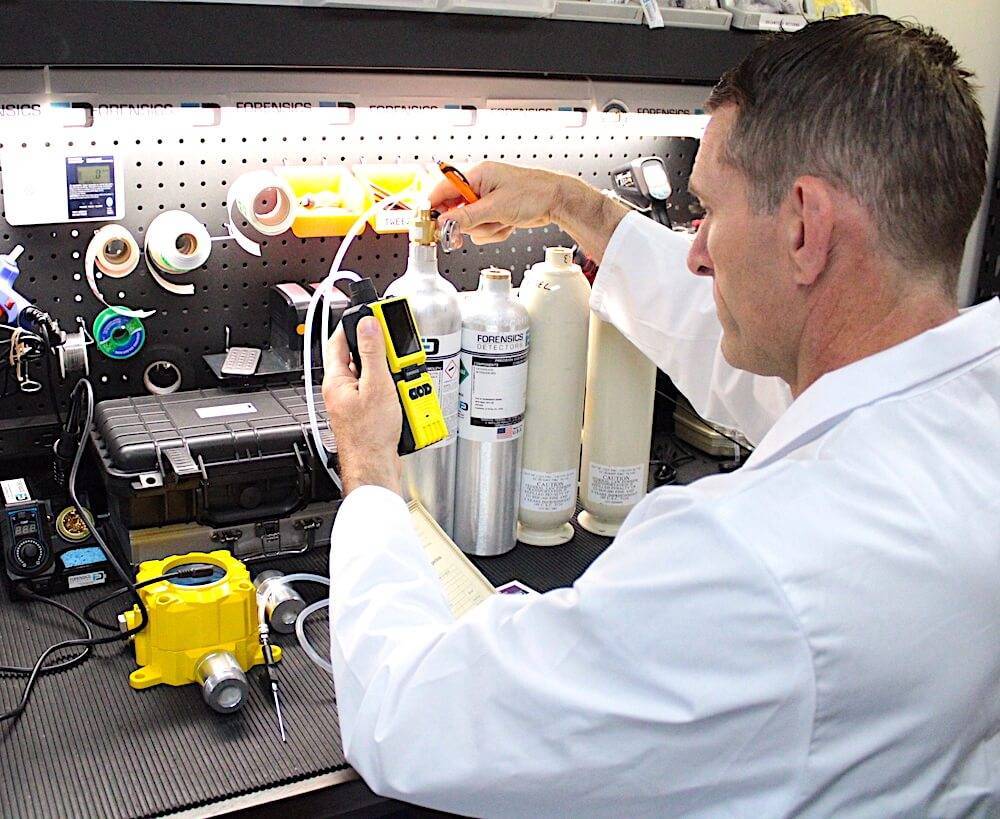
Our suggestion is to perform calibration every 6 to 12 months. The frequency of calibration directly influences the precision of your CO2 meter's readings. You have the option to utilize our CO2 gas calibration service or conduct self-calibration using a kit containing the following components:

Calibration Kit
Calibration Gas (CO2)
Calibration Gas Regulator (C10)

Best CO2 Detectors


How long will the CO2 Monitor Last?

The advantage lies in the impressive longevity of CO2 monitors when compared to other gas sensors like electrochemical cells. CO2 monitors employ NDIR (Non-Dispersive Infrared) sensors, durable electronic components that generally remain operational for 5 to 15 years. Among these components, the infrared source tends to experience gradual degradation over time. Thus, an annual calibration is recommended to maintain precise and dependable performance.

Conclusion

  • A CO2 meter measures CO2 concentration to help with insect control for grain.
  • A CO2 meter is also known as a carbon dioxide monitor, analyzer, detector, or CO2 analyzer.
  • CO2 meters are widely used in diverse labs, including government, private, and academic settings.
  • Remember to calibrate your incubator's CO2 meter for precise results.

About The Author

Dr. Kos Galatsis ("Dr.Koz") is the President of FORENSICS DETECTORS where the company operates from the scenic Palos Verdes Peninsula in Los Angeles, California. He is a subject matter expert on gas sensor technology, gas detectors, gas meters, and gas analyzers. He has been designing, building, manufacturing, and testing toxic gas detection systems for over 20 years.

gas detector expert

Every day is a blessing for Dr. Koz. He loves to help customers solve their unique problems. Dr. Koz also loves spending time with his wife and his three children going to the beach, grilling burgers, and enjoying the outdoors.

Read more about Forensics Detectors here.

Email:  drkoz@forensicsdetectors.com
Phone: +1 424-341-3886


source https://www.forensicsdetectors.com/blogs/articles/co2-meter-handheld-0-100

Friday, 3 May 2024

Tracer Gas Leak Detection (Hydrogen, Helium, CO2)

Tracer gas leak detection, utilizing gases such as hydrogen, helium, or carbon dioxide, has emerged as a powerful tool in discovering leaks for equipment, systems and underground pipelines. This non-invasive method allows technicians to efficiently and accurately locate leaks by introducing a harmless, detectable gas using a tracer gas leak detector. As the gas escapes it can be detected using sensitive tracer gas leak detectors. In this article, we will explore tracer gas leak detection and the gas leak detectors used to detect the tracer gas.

What is a Tracer Gas Leak Detector?

A tracer gas leak detector is a sensitive gas analyzer that is able to detect low concentrations of tracer gas. Tracer gas leak detectors are also called tracer gas sniffers, tracer analyzers, tracer gas testers, tracer leak detectors and tracer leak sniffers. These tracer gas leak detectors need to be very sensitive as tracer gas analyzers are used for leak detection purposes where the concentration of gas is in the ppm or ppb gas concentration. Therefore, a very low detection limit and high sensitivity is paramount a trace gas leak analyzer.

What is a Tracer Gas?

Common tracer gases used in various industries for leak detection include hydrogen, helium, carbon dioxide and SF6. Tracer gas is sold by most gas companies. For example, for hydrogen compressed gas, it is sold as 5% hydrogen and 95% nitrogen.

List of Tracer Gas Leak Detectors

What is Tracer Gas Leak Detection in Underground Pipes?

Tracer gas leak detection, sometimes called tracer gas leak testing, is a method used to identify and locate leaks in underground pipes. It involves introducing (with pressure) a harmless, detectable gas (such as helium or hydrogen) into the pipe system. The gas escapes through any leaks present and rises to the surface. A gas leak analyzer is then used to detect the presence of the tracer gas above ground by walking slowly and scanning the surface. By mapping the concentrations of the gas, technicians can pinpoint the exact location of the leak, allowing for targeted repairs of underground piping.


What is Tracer Gas Leak Detection in Vacuum Chambers

Tracer gas leak detection is a nondestructive method for detecting gas leaks. Tracer gases are novel as they are made up of small molecules that when used will find the smallest leak sites and penetrate through the smallest leak that may be present. Examples include helium, carbon dioxide and hydrogen. The tracer gas molecules are also chosen so that they can be detected easily with a gas analyzer. In addition, all tracer gases should be non-explosive, non-destructive and safe to use. The below image shows a vacuum chamber filled with tracer gas. Since the tracer gas molecules are small, they will leak easier than molecules found in air and can be detected by a tracer gas analyzer.

What is a Hydrogen Tracer Gas Leak Detector?

A hydrogen tracer gas leak detector is a tool that locates leaks in various systems, chambers, underground pipeline and tubing. Hydrogen, with its small molecular size and low background concentration, is an ideal tracer gas for leak detection applications. Hydrogen is the most popular tracer gas for instrumentation and underground piping leak detection. It is taking over from helium, since helium is not readily available and is becoming expensive. 

What is a Helium Tracer Gas Leak Detector?

A helium tracer gas leak detector is a analyzer used to locate leaks in various systems by detecting the helium gas leaks. Helium makes an excellent tracer gas as it is inert, non-toxic, and having a low natural background concentration. However, it is not very popular since it is becoming expensive and it is a scarce resource. Most helium tracer gas leak detectors employ thermal conductivity to measure helium concentrations. 

What is a CO2 Tracer Gas Leak Detector?

A CO2 tracer gas leak detector is a device used to identify and locate leaks in various systems by detecting the presence of carbon dioxide gas. CO2 is an effective tracer gas due to its safety, availability, and ease of detection. A CO2 tracer gas leak detector employs infrared spectroscopy called NDIR to measure CO2 concentrations. By monitoring CO2 levels, the detector can pinpoint leak locations.

What are the detection limits of trace gas analyzers?

Detection limits of trace gas analyzers vary depending on the type of analyzer and the target gas. Modern tracer gas leak detectors can detect gases at parts-per-million (ppm).

Difference between Hydrogen and Helium Tracer Gas?

Hydrogen and helium are both used as tracer gases for leak detection, but they have distinct properties. Hydrogen is flammable, making it riskier to use, while helium is inert and non-flammable. Helium has a lower background concentration in the atmosphere, making it easier to detect leaks with higher sensitivity.

Requirement Helium Hydrogen
Low ambient concentration 5 ppm in air ≥ 0.5 ppm in air
Sensitivity using Handheld Analyzer? 0.1% 1ppm
Highly selective sensor technology

Thermal Conductivity

(may be cross sensitivity to other inert light gases)

None
Environmentally friendly Noble gas, naturally in air, no green house potential Naturally in air, no green house potential
Affordable Medium gas cost. Scarce resource. Low gas cost
Safe Inert, non flammable, non explosive Only in gas mixtures below lower explosion limit of 4%

    Tracer Gas Leak Detection for Water Leaks

    Tracer gas leak detection is an effective method for locating water leaks in underground pipes and other hidden systems. By introducing a tracer gas, such as helium or hydrogen, into the water system and using sensitive detectors to scan the area, technicians can pinpoint the exact location of the leak. This non-invasive technique saves time and money by avoiding extensive excavation and minimizing water loss. It is particularly useful for detecting leaks in large, complex water networks.

    Tracer Gas Leak Detection for Vacuum Leaks

    Tracer gas leak detection is a reliable method for identifying vacuum leaks in various systems, such as vacuum chambers, packaging lines, and refrigeration units. The process involves introducing a tracer gas, typically helium or hydrogen, into the system under vacuum and using specialized detectors to locate the leak points. This technique is highly sensitive and can detect even the smallest leaks, ensuring the integrity of the vacuum system and preventing contamination or performance issues.

    Tracer Gas Leak Detection for A/C Leaks

    Tracer gas leak detection is a precise method for finding leaks in air conditioning systems. By introducing a safe, inert gas like helium or nitrogen into the system, technicians can use sensitive detectors to locate the exact leak points, saving time and money on repairs while maintaining A/C efficiency.

    Tracer Gas Leak Applications

    Oil and gas pipeline leak detection

    Tracer gases are used to identify leaks in underground or subsea pipelines, minimizing product loss and environmental damage.

    Industrial process equipment leak testing

    Tracer gas leak detection is used to locate leaks in valves, fittings, and seals in industrial plants, refineries, and chemical facilities.

    Refrigeration and air conditioning system leak detection

    Tracer gases, such as refrigerants or helium, are used to pinpoint leaks in refrigeration and HVAC systems, improving efficiency and reducing refrigerant emissions.

    Underground storage tank leak detection

    Tracer gas testing is used to verify the integrity of underground storage tanks and detect leaks that could contaminate soil or groundwater.

    Building envelope leak detection

    Tracer gases are used to identify air leaks in building envelopes, helping to improve energy efficiency and indoor air quality.

    Automotive and aerospace manufacturing leak testing

    Tracer gas leak detection is used to ensure the integrity of fuel systems, air conditioning units, and other critical components in vehicles and aircraft.

    Power plant and boiler leak detection

    Tracer gases are used to locate leaks in heat exchangers, condensers, and other components of power generation systems.

    Wind turbine blade leak detection

    Tracer gases are used to identify leaks in wind turbine blades, which can lead to reduced performance and structural damage if left undetected.

    About The Author

    Dr. Kos Galatsis ("Dr.Koz") is the President of FORENSICS DETECTORS where the company operates from the scenic Palos Verdes Peninsula in Los Angeles, California. He is a subject matter expert on gas sensor technology, gas detectors, gas meters, and gas analyzers. He has been designing, building, manufacturing, and testing toxic gas detection systems for over 20 years.

    gas detector expert

    Every day is a blessing for Dr. Koz. He loves to help customers solve their unique problems. Dr. Koz also loves spending time with his wife and his three children going to the beach, grilling burgers, and enjoying the outdoors.

    Read more about Forensics Detectors here.

    Email:  drkoz@forensicsdetectors.com
    Phone: +1 424-341-3886


      source https://www.forensicsdetectors.com/blogs/articles/trace-gas-analyzer-hydrogen-helium-co2-sf6

      4 Gas Meter for Confined Space (Best in 2026)

      A 4 gas meter for confined space is an essential gas detection device designed to simultaneously measure carbon monoxide (CO), oxygen (O2), ...