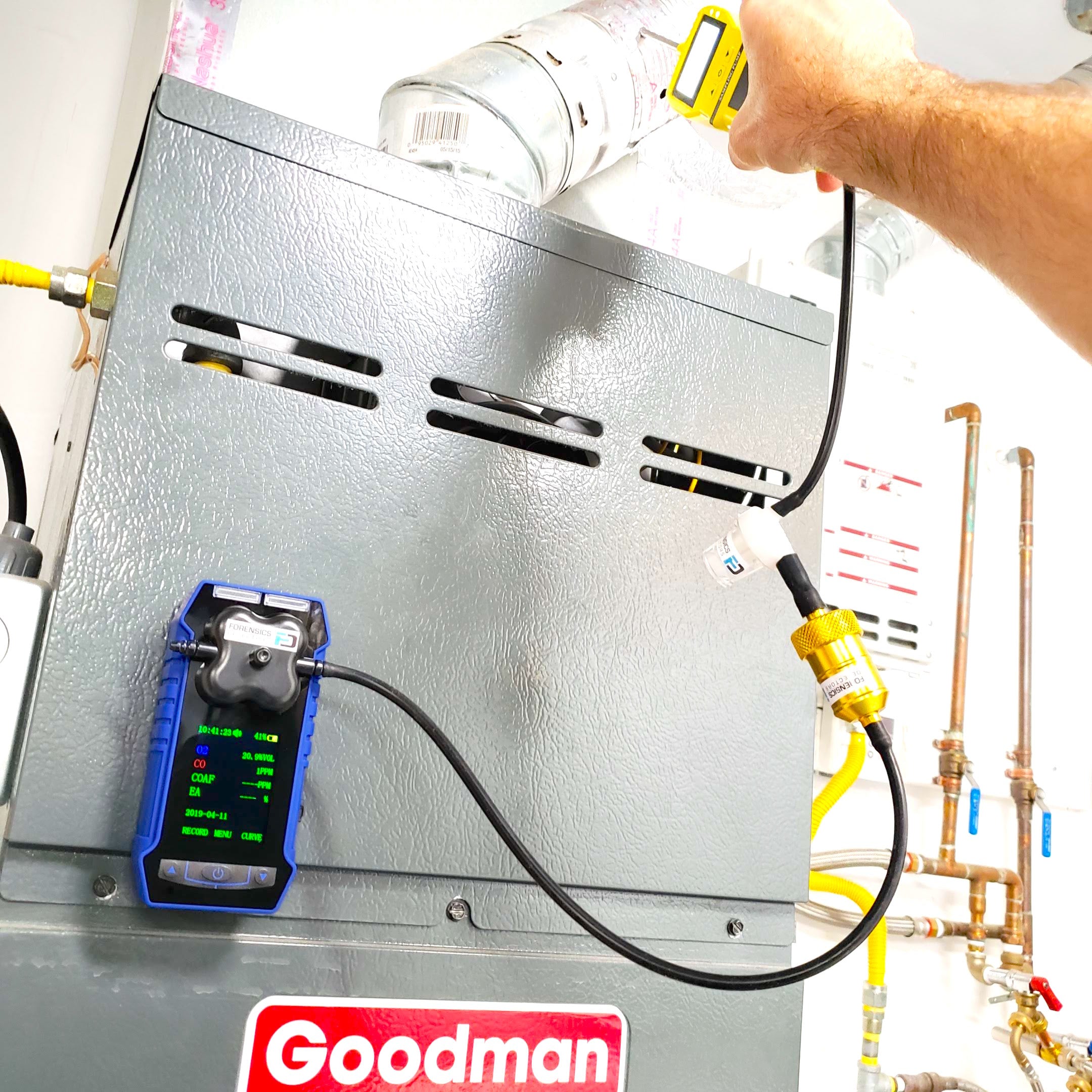
Carbon dioxide (CO2) and carbon monoxide (CO) are two distinct but frequently erroneously mistaken and mixed up. Each gas has its unique properties and implications on human health. In this article, we look into the differences between Carbon Monoxide and Carbon Dioxide related to detecting these gases and everyday implications. Understanding these disparities is very important, as both gases play significant roles in our daily lives, yet they pose contrasting health risks and useful applications.
Pros
Cons
Carbon Dioxide is not as toxic as Carbon Monoxide.
Carbon Dioxide occurs naturally
Carbon Dioxide and Carbon Monoxide are both produced during combustion.
CO2 and CO detectors are available for personal safety and protection from harm.
Carbon Monoxide does not occur naturally
Carbon Dioxide and Carbon Monoxide are both produced during combustion.
Carbon Dioxide and Carbon Monoxide are both toxic gases and too much of each can poison and harm humans.
What is Carbon Dioxide?
Carbon dioxide is a gas, often denoted as CO2, is a naturally occurring gas that saturates the air we breathe, whether we are indoors or outdoors.
This is the first
difference between Carbon Monoxide and Carbon Dioxide, that they also have different chemical symbols. CO versus CO2.
Differences between Carbon Monoxide and Carbon Dioxide?
Property
Carbon Dioxide (CO2)
Carbon Monoxide (CO)
Chemical Formula
CO2
CO
Molecular Weight
44.01 g/mol
28.01 g/mol
Chemical Structure
Linear
Linear
Color and Odor
Colorless and odorless
Colorless and odorless
Density (at 25°C)
1.977 kg/m³
1.250 kg/m³
Boiling Point (°C)
-78.5°C
-191.5°C
Melting Point (°C)
-56.6°C
-205.0°C
Solubility in Water
Highly soluble
Slightly soluble
Toxicity
Generally non-toxic in small quantities, but can cause suffocation in high concentrations
Highly toxic, can cause poisoning by binding to hemoglobin in the bloodstream, reducing oxygen transport
Carbon Dioxide in our Breath?
Carbon dioxide is a byproduct of our breathing, as we expel substantial amounts of it when we exhale. In the natural environment (outdoors), carbon dioxide levels typically hover between 400 to 500 parts per million (PPM).
Carbon Dioxide Exhalation to Bad Air Quality?
When we exhale in closed environments such as our home, work, office, and school classrooms, our exhaled carbon dioxide can lead to poor indoor air quality. Our exhalations release larger quantities of carbon dioxide (2-3% of CO2) into these enclosed areas, thus increasing its concentration by mixing with lower levels in the room and accumulating over time. This underscores the vital importance of ensuring a continuous inflow of fresh air into indoor environments, be it at our workplaces or within the cozy confines of our homes. This influx serves as a countermeasure to the accumulating effects of exhalation, a pivotal aspect of maintaining indoor air quality.
Carbon Dioxide Monitoring Indoors?
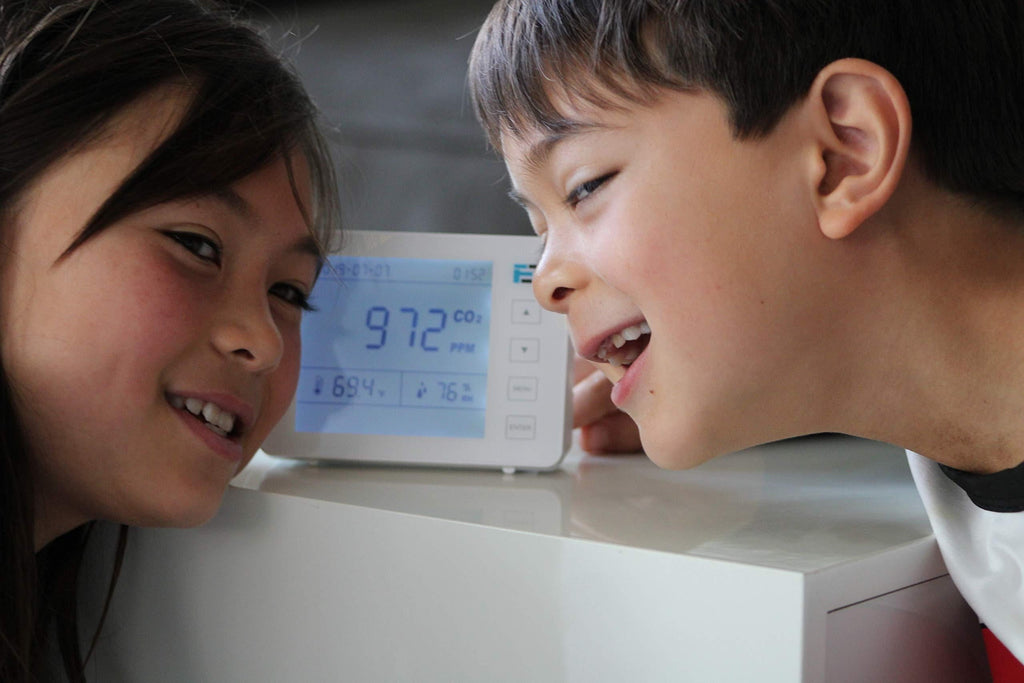
Monitoring carbon dioxide levels within indoor spaces becomes of utmost significance. To illustrate, I have a handheld carbon dioxide monitor with me, capable of detecting ambient carbon dioxide levels. Currently, the reading hovers around 600 to 700 PPM (in the indoor space I am within). However, as I bring the device closer to my mouth, it registers a notable increase in carbon dioxide levels, eventually triggering an alarm set at 1,000 PPM. This vividly showcases how the simple act of breathing, especially in enclosed spaces, can lead to elevated carbon dioxide levels, underscoring the need for adequate ventilation.
Elevated Levels of Carbon Dioxide?
Elevated concentrations of carbon dioxide can have adverse effects on our well-being, inducing feelings of fatigue and nausea while impeding our ability to concentrate effectively. Numerous academic studies have illuminated the detrimental impact of high carbon dioxide levels on cognitive function. This highlights the significance of maintaining good air quality, especially in educational institutions, such as high schools, middle schools, and elementary schools. Ensuring optimal air quality is paramount to creating an environment where students can concentrate and excel in their studies.
Now, let's explore a common question – the differentiation between carbon monoxide and carbon dioxide. Carbon monoxide, abbreviated as CO, is an exceedingly toxic gas. Exposure to 1,000 PPM of carbon monoxide can be fatal. In contrast, carbon dioxide, represented as CO2, is not lethal at similar concentrations, as we have demonstrated earlier. While both gases share certain traits, such as their nearly imperceptible odor and taste, they emanate from combustion sources, leading to occasional confusion between carbon monoxide and carbon dioxide.
Toxicity of Carbon Dioxide compared to Carbon Monoxide?
Carbon monoxide (CO) and carbon dioxide (CO2) are both colorless, odorless gases, but they have different toxic effects. CO binds to hemoglobin, reducing oxygen transport, leading to oxygen deprivation, dizziness, and potentially death. CO2, in contrast, primarily causes toxicity by increasing acidity in the blood, resulting in symptoms like confusion and rapid breathing, though it is less immediately life-threatening. Both gases are dangerous in high concentrations, but their mechanisms and symptoms of toxicity differ.
How is Carbon Dioxide Detected?
Detection of carbon dioxide hinges on the use of an NDIR (non-dispersive infrared) sensor. NDIR sensors operate by emitting infrared light, which carbon dioxide molecules absorb. Due to carbon dioxide's inherent stability, traditional chemical reactions are ineffectual for detection. Instead, these sensors rely on the absorption of infrared light to accurately determine gas concentration. These sensors are incorporated into detectors, calibrated to adhere to government-established standards, and display carbon dioxide concentration in PPM.
Carbon Dioxide Uses?
Carbon dioxide (CO2) is a versatile gas with a wide range of applications across various industries. Here are five key uses of carbon dioxide:
Carbon Dioxide Uses in Agriculture
Carbon dioxide is essential for photosynthesis, the process by which plants convert light energy into chemical energy. It is often used in greenhouses and indoor farming facilities to enhance plant growth by maintaining optimal CO2 levels. Controlled CO2 enrichment can result in increased crop yields and improved plant health.
Carbon Dioxide Uses Beverage Industry
Carbon dioxide is a key component in carbonated beverages such as soda, sparkling water, and beer. It provides the characteristic fizz and bubbles in these drinks. CO2 is dissolved under pressure into the liquid, creating carbonation, which enhances the taste and mouthfeel of these beverages.
Carbon Dioxide Uses in Welding and Industrial Applications
In welding, carbon dioxide is frequently used as a shielding gas in a process known as MIG (Metal Inert Gas) welding. It protects the weld area from atmospheric contaminants and oxidation, ensuring strong and clean welds. Additionally, CO2 is used in various industrial applications, including metal fabrication, chemical manufacturing, and carbonation for fire extinguishers.
Carbon Dioxide Uses in Refrigeration
Carbon dioxide is gaining popularity as a natural refrigerant in refrigeration and cooling systems. It is environmentally friendly, with a low global warming potential compared to synthetic refrigerants like CFCs and HFCs. CO2-based refrigeration systems are used in commercial and industrial refrigeration, as well as in transportation refrigeration units.
Carbon Dioxide Uses Pharmaceutical and Laboratory Settings
Carbon dioxide has diverse applications in pharmaceutical manufacturing and laboratory research. It is used in the production of pharmaceuticals, as a component in cell culture incubators for maintaining optimal growth conditions for cells, and in specialized laboratory equipment such as carbon dioxide incubators and cryogenic systems for preserving biological samples.
In addition to these five key uses, carbon dioxide finds application in various other fields, such as food processing (as a preservative and in packaging), oil and gas industry (as a tertiary recovery method), water treatment (for pH control), and in the creation of dry ice for cooling and transportation purposes. Its versatility and wide availability make carbon dioxide an integral part of numerous industrial processes and everyday applications.
Differences between Carbon Dioxide and Carbon Monoxide Detectors?
Now, let's address the distinction between a carbon monoxide detector and a carbon dioxide detector. Carbon monoxide detectors are commonly found in households, typically featuring a white casing and a display. These devices are installed on walls or ceilings and are often mandated by state, county, or city regulations, or provided by landlords. Their primary purpose is to shield occupants from potentially lethal levels of accumulated carbon monoxide, ensuring their safety.
In contrast, carbon dioxide detectors are less prevalent in residential settings but are gaining popularity for home applications. They are more frequently integrated into air quality measurement systems used in commercial buildings, workplaces, and industrial settings. However, the growing awareness of indoor air quality has led to an increase in the adoption of carbon dioxide monitors for residential use. These devices empower homeowners to monitor and maintain optimal CO2 levels within their homes, allowing them to ventilate when concentrations exceed recommended thresholds.
What are Low Carbon Dioxide Levels?
Regarding recommended carbon dioxide levels for indoor spaces, various organizations offer guidelines. For instance, ASHRAE (American Society of Heating, Refrigerating, and Air-Conditioning Engineers) recommends a threshold of 1,000 PPM. OSHA (Occupational Safety and Health Administration) sets a higher limit at 5,000 PPM, and the onset of drowsiness is typically observed around 1% or 10,000 PPM. While these organizations provide differing recommendations, aiming for around 1,000 PPM is a prudent approach due to its simplicity and ease of remembrance. When carbon dioxide levels surpass this threshold, it is advisable to improve air quality by introducing fresh outdoor air, whether through ventilation or by opening windows and doors.
Below we have researched and put together various carbon dioxide safe levels as recommended and required by various private and public institutions.
Agency
Recommendations / Requirements
California State Assembly Bill AB841
Requires classrooms to monitor CO2 and alarm at 1,100 ppm
American Society of Heating, Refrigerating and Air-Conditioning Engineers (ASHRAE)
Recommends indoor CO2 concentrations be maintained below 1,000 ppm in schools and 800 ppm in offices
Washington State
Requires CO2 monitoring in restaurants, alarming at 450 ppm
German Federal Environment Agency
Recommends classroom and office CO2 levels below 1,000 ppm
Occupational Safety and Health (OSHA)
5,000 ppm 8 hour TWA
National Institute for Occupational Safety and Health (NIOSH)
5,000 ppm 8 hour TWA
40,000 ppm IDHL Immediately Dangerous To Life or Health
American Conference of Governmental Industrial Hygienists (ACGIH)
5,000 ppm 8 hour TWA
Ceiling exposure limit (not to be exceeded) of 30,000 ppm for a 10-minute period
40,000 ppm IDHL Immediately Dangerous To Life or Health
Should I buy a Carbon Monoxide or Carbon Dioxide Detector?
If I was on a budget and I had to choose only one, then by far, a carbon monoxide detector would be the safer much wiser selection, considering that there are over 500 deaths occurring every year due to carbon monoxide poisoning.
Is Carbon Dioxide a Pure Substance?
No, carbon dioxide (CO2) is not a pure substance. It is a compound composed of two different elements: carbon and oxygen. Pure substances consist of only one type of atom or molecule.
Final Comments
In conclusion, the detection and monitoring of carbon dioxide have important implication to indoor air quality and human safety. Understanding the distinctions and differences between carbon monoxide and carbon dioxide, as well as recognizing the potential health impacts of elevated carbon dioxide levels, empowers individuals to make informed decisions about managing air quality. By embracing these insights and guidelines, we can create healthier and more conducive environments for work, study, and daily life. Be well, stay safe, and thank you for joining me today.
Every day is a blessing for Dr. Koz. He loves to help customers solve their unique problems. Dr. Koz also loves spending time with his wife and his three children going to the beach, grilling burgers and having a cold beer.
Carbon Monoxide Detectors save lives. They are one of the most important safety items we have in our home to protect our loved ones. Common questions such as carbon monoxide detector placement, beeping, and false alarms continue to be asked and understood by the general public. In this article, we will answer these popular questions regarding carbon monoxide detectors.
What are Good Carbon Monoxide Levels?
The answer to this is quite straightforward: it is 0ppm. Zero parts per million. Now, you might wonder why I emphasize this so strongly. Some may desire a specific threshold, but let me explain why zero is the crucial point.
Imagine you have a carbon monoxide detector that reads 10 parts per million. Is that a safe level? Well, for some individuals, it may not have an immediate impact, while for others, it could pose a risk. Moreover, there's the concern that 10 PPM can swiftly escalate to 100 within 30 seconds. This is the crux of the matter. Carbon monoxide gas is being emitted, and it is unknown at what time the CO gas will escalate and pose a severe threat to life.
Just like a small leak in your home's piping that starts as a drip but can ultimately turn into a significant problem, the same principle applies to carbon monoxide. If you detect even a minimal amount of carbon monoxide, it's only a matter of time before it increases, potentially leading to severe health issues or even fatality.
So, here's the bottom line:
1. You should aim for zero parts per million on any carbon monoxide detector you have, whether it's a wall-mounted unit or a handheld device used for ambient or indoor measurements.
2. Many detectors have an alarm threshold of 70 parts per million over 60 minutes. To put it into perspective, this level exceeds the safety limits set by OSHA (Occupational Safety and Health Administration), which is 50 parts per million, and it's even higher than California's guidelines at 35 parts per million. Different governments, associations, and states have varying thresholds depending on the specific situation.
In summary, zero parts per million is what you're striving for. Anything above zero is a major concern that must be addressed promptly. You need to identify the source and take steps to reduce it to zero. This is my professional advice, and I hope it helps keep you all safe. See you soon.
Why is my Carbon Monoxide Detector Beeping?
First and foremost, the most obvious trigger is carbon monoxide gas itself. If you have ruled that out, and suspect a false alarm, then there are a few other potential false positive CO detector culprits:
1. High Humidity: If your CO detector is located near a bathroom or inside one where steam and high humidity are generated, it can lead to false alarms.
2. Hydrogen Gas: Hydrogen gas can also set off your carbon monoxide detector. These detectors use electrochemical sensors similar to those used for carbon monoxide. So, if you have your detector in a battery room or are charging batteries in your garage, the emission of hydrogen gas can trigger it.
3. Malfunction: Sometimes, CO detectors malfunction. When they do, they often beep or chirp. Refer to your model's manual to understand the specific beeping patterns, which can indicate the need for battery replacement, errors, or even that the unit has reached the end of its lifespan and should be replaced.
These are the key reasons why your carbon monoxide detector might be alarming, false alarming or making unusual sounds.
Where Shall I Place my Carbon Monoxide Detector?
The primary danger of carbon monoxide to humans occurs when sleeping. A typical deadly situation occurs when a compromised furnace is running, a car has been left on, or there's a continuous carbon monoxide source emitting this deadly gas for hours upon hours. Since people are often asleep for lengthy periods of time, there's a high likelihood of inhaling carbon monoxide over many hours and passing.
So that means you need a carbon monoxide detector in your bedroom, plain and simple. If possible, I highly recommend having a carbon monoxide detector in every bedroom where people sleep.
Additionally, it's helpful to monitor the battery level indicator to replace batteries when needed. Avoid placing the detector low to the ground, as it might get kicked or bumped by pets or children. It's best to position it between 4 to 6 feet above the ground, making it easy to access for battery changes. Don't hide it behind drapes or furniture, and keep it away from windows. Placing it near a window can introduce fresh air, but the rest of the room might still have elevated carbon monoxide levels, giving you an inaccurate reading
Does Carbon Monoxide Settle to the floor or Rise to the Ceiling?
Now, let's address the common misconception about carbon monoxide. Some believe that it rises or falls, but in reality, carbon monoxide has nearly the same density as air, so it mixes evenly with it. Numerous scientific publications demonstrate that carbon monoxide evenly distributes in a sealed container, neither rising nor falling. Therefore, the key is to ensure you can easily see the digital display on your detector. It's there for a reason - to provide visibility from various locations in your home.
About The Author
Dr. Kos Galatsis ("Dr.Koz") is the President of FORENSICS DETECTORS where the company operates from the scenic Palos Verdes Peninsula in Los Angeles, California. He is a subject matter expert on gas sensor technology, gas detectors, gas meters, and gas analyzers. He has been designing, building, manufacturing, and testing toxic gas detection systems for over 20 years.
Every day is a blessing for Dr. Koz. He loves to help customers solve their unique problems. Dr. Koz also loves spending time with his wife and his three children going to the beach, grilling burgers and having a cold beer.
Cigarette smoking indoors smells bad. This is very big problem for short-term rental property owners, parent with kids smoking at home, hotels with room occupants smoking and businesses with employees smoking in prohibited indoor spaced. We also get make rental car companies seeking help with this problem. Cigarette Smoke Detectors helps landlords, hotels, businesses and parents ensure they are tracking and monitoring potential smoke activity.
Pros
Cons
Cigarette smoke detectors are relatively inexpensive.
Air quality detectors for monitoring the presence of particulate matter in the air are easily found and commercially available.
Many detectors that detect the presence of
Cigarette can also be used to detect the presence of vape and other smoking substances that produce smoke and particulate.
A regular Smoke Detector is not sensitive enough and one needs much more sensitive Smoke Cigarette Detector.
Cigarette smoke is often undertaken indoors and if in a connected apartment it will leak into other living areas.
Main problem with
Cigarette smoke occurs with rented homes and cars causing big problems for landlords.
Limited options to detect cigarette smoke and smells.
Best Cigarette Smoke Detector?
A regular Smoke Detector is not sensitive enough to detect cigarette smoke in the air. Therefore, one needs much more sensitive Smoke Cigarette Detector. The best and highest sold cigarette smoke detector is the Forensics Detectors Cigarette Smoke and Vape Detector.
How Do Cigarette Smoke Sensors Work?
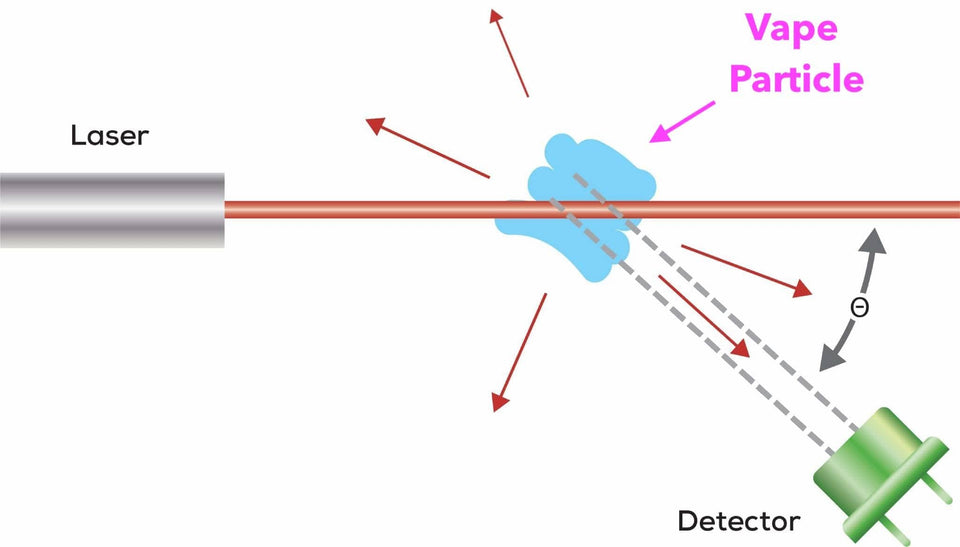
Cigarette smoke detectors use advanced laser scattering sensors, which are more sensitive than the traditional photoelectric and ionization sensors.
Here's how a laser scattering sensor typically works:
Light Source: The sensor includes a laser diode as its light source. This laser emits a focused, intense beam of light typically in the visible or near-infrared spectrum.
Sample Collection: Air containing particulate matter is drawn into the sensor through an inlet or sampling tube.
Scattering Interaction: As the air sample flows through the sensor's measurement chamber, the laser beam intersects with the airborne particles.
Photodetectors: The sensor contains one or more photodetectors positioned at specific angles around the measurement chamber.
Data Analysis: The scattered light detected by the photodetectors is then processed and analyzed by the sensor's electronics.
Calibration: Laser scattering sensors are typically calibrated using known reference particles of specific sizes and concentrations to ensure accurate measurements.
Output: The mass of particulate matter per unit volume (e.g., micrograms per cubic meter) can be calculated based on particle size and concentration data.
Features of Cigarette Smoke Detectors
Cigarette smoke detectors come with various features, such as flashing lights, loud alarms, and automatic shut-off functions. Some cigarette smoke detectors can also transmit data via Wi-Fi to a computer or send text alerts to a phone.
When choosing a cigarette smoke detector, it is essential to consider the size of the detector, the type of detector (smoke, CO2, or both), and the price. Some common features of good cigarette smoke detectors include a loud alarm, an automatic shut-off feature, and a battery life indicator.
How to Test for Cigarette Smoke in Your Home
To test for cigarette smoke in your home, you can hire an air quality detection company or consultant to run an air quality report in your home. These are most often local companies or individuals who can come to your home, test the air, and provide you with a report detailing the presence of specific gases and fumes, including cigarette smoke.
Below is a video of a customer that used our device to confirm his tenants where indeed smoking.
What Can a Cigarette Smoke Detector Sniff?
A cigarette smoke detector is specifically designed to detect cigarette smoke, vape and particulate emanating from the smoked substance. It can sense the presence of smoke particles in the air and trigger an alarm to alert people in the area. However, cigarette smoke detectors can also detect other types of smoke and gases that are similar to cigarette smoke.
Some of the things that a cigarette smoke detector can sniff include:
Cigarette smoke: This is the main thing that a cigarette smoke detector is designed to detect. It can sense the presence of smoke particles in the air and trigger an alarm.
Vaping smoke: Cigarette smoke detectors can also detect the smoke produced by vaping devices. This is because the smoke produced by vaping devices contains similar particles to cigarette smoke.
Cooking smoke: Smoke produced by cooking can also trigger a cigarette smoke detector. This is because the smoke produced by cooking contains similar particles to cigarette smoke.
Wood-burning smoke: Smoke produced by wood-burning stoves and fireplaces can also trigger a cigarette smoke detector. This is because the smoke produced by burning wood contains similar particles to cigarette smoke.
Other types of smoke: Cigarette smoke detectors can also detect other types of smoke that are similar to cigarette smoke, such as smoke produced by incense or candles.
How to Detect Cigarette Smoke in Your Vacation Rental
As a property manager, it is important to ensure that your vacation rental is free from cigarette smoke. Here are some methods to help you identify indoor smoking:
Use your nose: The smell of cigarette smoke is often the first sign of smoking in your rental. If you smell smoke, it is important to investigate further.
Look for ashtrays: Check for ashtrays or cigarette butts in the rental. If you find any, it is likely that someone has been smoking in the rental.
Check for smoke stains: Look for smoke stains on walls, ceilings, and furniture. These stains can be yellow or brown in color and may be difficult to remove.
By detecting cigarette smoke in your vacation rental, you can take action to prevent future smoking and ensure that your rental remains clean and comfortable for all guests.
Is there a Smoke Detector that will Detect Cigarette Smoke?
Yes, there are very sensitive cigarette smoke detectors available from Forensics Detectors that can detect cigarette smoke. These detectors are specifically designed to detect smoke particles that are produced by cigarette smoke.
How to Prevent Guests from Smoking in Your Properties
To minimize the risk of guests smoking in your rental properties, there are several proactive strategies that you can implement.
Educate Guests About No-Smoking Policies
One of the best ways to prevent smoking at your properties is to educate guests about your no-smoking policies. While mentioning your no-smoking policy in your listing is a good start, it is important to share your rules and guidelines with guests after they book. This can be done by including your no-smoking policy in your house rules and sharing it with guests before they check in. Additionally, sending guests a pre-stay message that serves as a friendly reminder of the most important guidelines they should follow during their stay, including the fact that smoking in your unit is prohibited, can be helpful. It is also important to include clear signage at your property that smoking indoors is prohibited.
Offer Outdoor Smoking Areas
While discouraging smoking at your property is important, providing an outdoor smoking area can be a good compromise. This can be as simple as providing a small table and some chairs, as well as an ashtray and trash can. By offering a designated place for guests who smoke, they will be less inclined to break your house rules and smoke indoors.
Can Cigarette Smoke Detectors Be Installed in Apartments?
Yes, cigarette smoke detectors can be installed in apartments. In fact, many landlords and property managers choose to install them to detect smoking in non-smoking units and common areas.
Installing cigarette smoke detectors can help landlords and property managers enforce their non-smoking policies and protect the health and safety of their tenants. It can also help prevent damage to the property caused by cigarette smoke.
Do Airbnb Hosts Need to Provide Cigarette Smoke Detectors?
Airbnb hosts are not required to provide cigarette smoke detectors, but it is highly recommended to ensure the safety of guests and the property. Smoke detectors are mandatory in most states and localities, but cigarette smoke detectors are not as commonly required by law.
However, hosts can purchase and install cigarette smoke detectors to prevent guests from smoking in their rental units. These detectors can detect the presence of cigarette smoke and alert the host to take action.
It is important to note that hosts should clearly state their smoking policy in their listing and house rules. If smoking is not allowed, hosts should make it clear to guests and enforce the rule. Installing cigarette smoke detectors can help with enforcement and prevent damage to the property.
Is there a way to detect cigarette smoke without a smoke detector?
Yes, there are several ways to detect cigarette smoke without a smoke detector. Here are some methods:
Visual Inspection: One of the most obvious ways to detect cigarette smoke is through visual inspection. Look for ashtrays, cigarette butts, and smoke residue on walls, ceilings, and furniture. If you see these signs, it's likely that someone has been smoking in the area.
Air Quality Test: Another way to detect cigarette smoke is through an air quality test. This involves using a device to measure the level of smoke particles in the air. Air quality tests can be conducted by professionals or with a DIY kit.
Secondhand Smoke Detector: A secondhand smoke detector is a device that is specifically designed to detect cigarette smoke. These detectors are equipped with sensors that can detect smoke particles in the air. They are often used in public places such as hotels, restaurants, and offices.
Nose: Finally, one of the most basic ways to detect cigarette smoke is through your sense of smell. If you smell smoke, it's likely that someone has been smoking in the area.
Can Cigarette Smoke set off Carbon monoxide detector?
No they cannot.
Only if you blow directly in the smoke detector with high smoke concentration will it set it off.
Does Smoking Produce Carbon Monoxide Gas?
Yes, cigarettes do produce carbon monoxide gas. However due to the dilution effects in a room, it is unlikely a CO detector will be triggered during cigarette smoking.
What do Cigarette Smoke Detectors Look Like?
Ceiling mount vape detectors look like smoke detectors or carbon monoxide alarms. Handheld version look like a hand held sniffer and industrial units look like heavy duty control equipment.
Who Needs aCigarette Smoke Detector?
Schools to Detect Students Who Smoke Cigarettes in restrooms or indoor spaces. Perfect for teachers and administrators.
Hotel to Detect unauthorized Cigarette Usage in Rooms and Lobby.
Landlords to detect and monitor Cigarette Usage by tenants.
Rental Car Companies to track drivers when smoking.
Permanent cigarette smoke detectors can also be installed for continuous measurement, ideal for landlords.
A cigarette detector may go by many different names including the following smoke detector, weed detector, marijuana detector, cannabis detector, cannabis odor detector, vape detector and cigarette smell detector.
About the Author
Dr. Kos Galatsis ("Dr.Koz") is the President of FORENSICS DETECTORS, where the company operates from the scenic Palos Verdes Peninsula in Los Angeles, California. He is a subject matter expert on gas sensor technology, gas detectors, gas meters, and gas analyzers. He has been designing, building, manufacturing and testing toxic gas detection systems for over 20 years.
Every day is a blessing for Dr. Koz. He loves to help customers solve their unique problems. Dr. Koz also loves spending time with his wife and his three children going to the beach, grilling burgers, and having a cold beer.
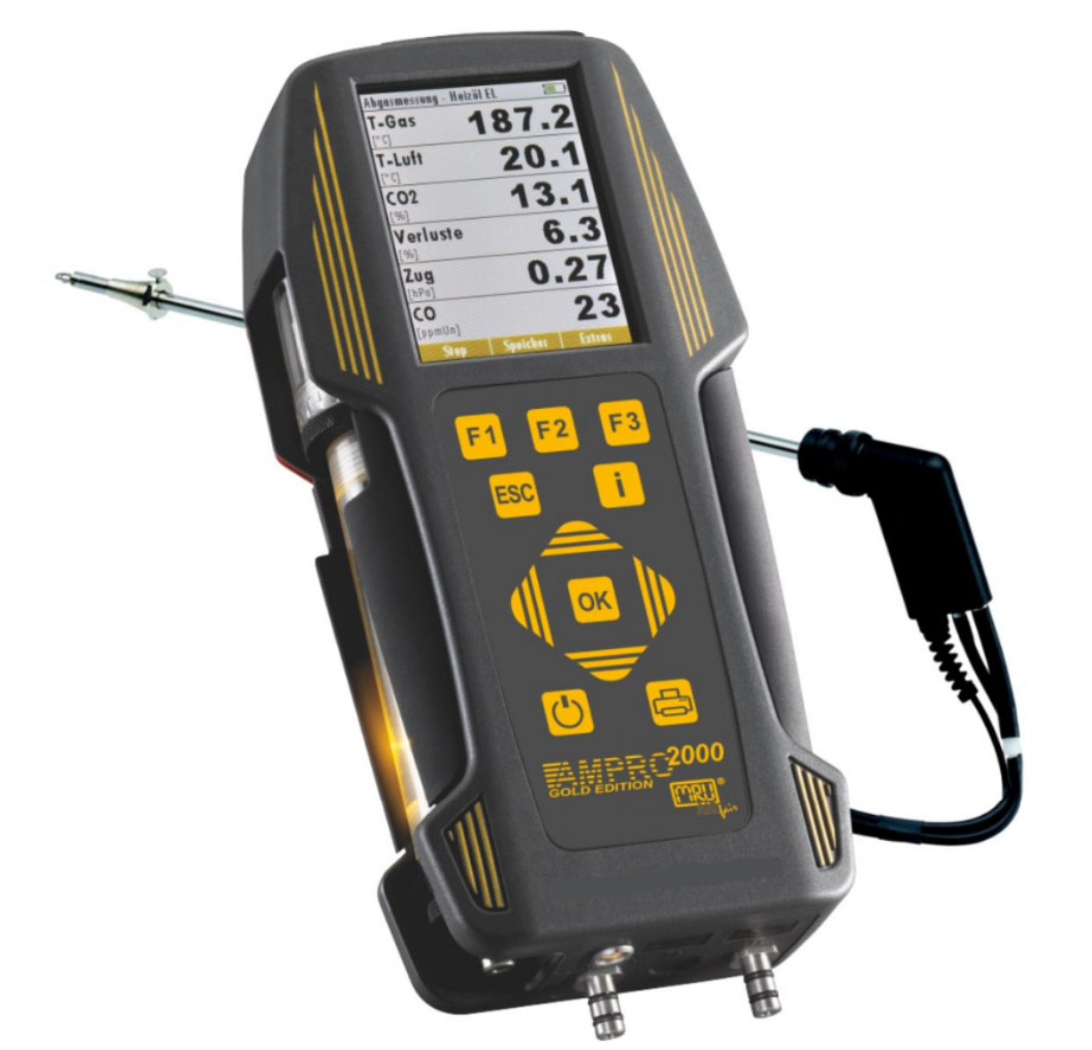
A combustion analyzer detects gases such as carbon monoxide (CO), oxygen (O2), and carbon dioxide (CO2). Heating, Ventilation and Air Conditioning (HVAC) specialists, boiler technicians, and plumbers use these devices. A combustion analysis is commonly performed on appliances such as boilers, heaters, ovens, pool heaters, and furnaces. Test results provide gas levels and insight into safe and efficient appliance operation. Combustion analyzers are also called flue gas analyzers. These detectors include an analyzer, pump, sensors, sample probe, and filters.
Pros
Cons
Combustion analysis helps reduce pollution into the atmosphere, ensures efficient operation, and reduces the risk of poisonous emissions entering indoor spaces.
Detects carbon monoxide (CO), oxygen (O2), and carbon dioxide (CO2).
Many models and features are now available for less than $500.
Maintenance and calibration can be forgotten by users.
Sensors typically last from 24 to 36 months.
Some models do not detect all hazardous gases.
Some models may be tricky to use.
Best Residential Combustion Analyzer?
We have tested the six top Combustion Analyzers for residential applications and are all priced under $800. These are our top six picks:
A combustion analyzer detects gases such as carbon monoxide (CO), oxygen (O2), and carbon dioxide (CO2). Heating, Ventilation and Air Conditioning (HVAC) specialists, boiler technicians, and plumbers use these devices.
A combustion analysis is commonly performed on appliances such as boilers, heaters, ovens, pool heaters, and furnaces. Test results provide gas levels and insight into safe and efficient appliance operation. Based on these readings, adjustments may be needed to improve combustion efficiency and reduce carbon monoxide levels.
What Does a Combustion Analyzer Detect?
A combustion analyzer detects various gas concentration levels. Mostly they detector CO, O2 and CO2 gases, and various models have a variety of sensors such as:
• Oxygen (O2)
• Carbon monoxide (CO)
• Carbon dioxide (CO2)
• Exhaust gas temperature
• Intake combustion air temperature
• Draft
• Nitric oxide (NO)
• Nitrogen dioxide (NO2)
• Sulfur dioxide (SO2)
What Is the Purpose of Combustion Analysis?
There are two main purposes why combustion analysis is important and often used. This includes:
Emission Requirements
When combustion takes place (like in your home furnace), there are emitted by-products such as carbon monoxide, sulfur dioxide, nitrogen oxides, and particulates (soot) that pollute the atmosphere. These toxic gases accumulate to produce acid rain and smog, contribute to long-term atmospheric damage, and cause short-term acute respiratory problems. To combat environmental harm, federal and state regulations govern the emission of these pollutants. Combustion analysis is performed to ensure gas emissions are within their thresholds. Adjusting the appliance, air-fuel ratio, or changing out deteriorated parts can help reduce pollution and meet regulations.
Improving Safety
Ensuring that combustion appliances are working properly is an important safety consideration. Tune-ups on combustion appliances are required as the combustion process variables may drift with time. Slight changes can have a dramatic increase in toxic carbon monoxide. Effects such as backdrafting and spillage can result in toxic gases building up and releasing indoors. In addition, if the appliances are not operating within specifications, components may deteriorate and result in heater exchange cracking and pin-holes.
What Are the Different Types of Combustion Analyzers?
ResidentialCombustion Analyzers
These are the most popular models that incorporate CO and / or O2 sensors. The user can perform a basic combustion analysis for residential appliances for less than $600. The Forensics Detectors Professional Combustion Analyzer is pictured below.
Commercial Combustion Analyzers
These are built to detect a plethora of combustion flue gas metrics. This includes concentrations of gases such as O2, CO, CO2, NO, NO2, NOx, and SO2. Other important metrics such as draft, intake air temperature, flue gas temperature, and combustion efficiency are also shown.These units usually retail for over $1,000.
Exhaust Gas Combustion Analyzers (Combustion Engines)
These analyzers determine the gas concentrations emitted from a combustion engine found in a automobile, forklift, diesel engine, etc... (one can argue this should not be listed here, but you would be surprised how many folks believe a flue gas analyzer is good for a engine exhaust gas analysis). Non-dispersive infrared sensors are used, as required by the EPA measurement method. Gases measured include CO, CO2, hydrocarbon (HC), NO, NO2, and sometimes SO2. These analyzers are expensive and retail for over $4000. Note that these units use special filters, water traps and probes made specifically for internal combustion engine exhaust.
Continuous Emission Monitors (CEMs)
These units are more advanced instruments designed to be fixed to an exhaust flue and continuously monitor the gas components (including smoke and particulate). CEMs are also used for feedback loop control, where the system can control input parameters to optimize combustion on the fly. They are found in large industrial facilities
for monitoring pollutant emissions, as required by government regulations. (** Fun Fact: Dr. Koz, as a student, developed a smoke CEM analyzer, see a picture of him here).
How Do Combustion Analyzers Work?
A combustion analyzer is composed of electronics, a pump, and gas sensors. Below are the main components of these devices:
Gas sample probe:A probe is used to extractgas from the flue.
Pump:A micro-pump produces suction to draw gas from the flue stream and into the combustion analyzer via the probe.
Filter assembly:The gas passes a water trap and filters. The gas sample is "conditioned" to ensure it arrives in a "prepared" and acceptable fashion to the sensors.
Sensor chamber:The sensors are usually housed in a miniature chamber that delivers the gas to the sensor head.
Gas sensors:The gas sensors convert the detected gas concentration to an electronic signal for analysis by the on-board microprocessor.
Electronics & microprocessor:The processor then outputs the reading to the display. The processor performs computations to calculate relevant units such as COAF, EA, combustion efficiency, etc..
The most important components within the combustion analyzer are the gas sensors. These sensors rely on two primary gas sensor technologies. Low-cost units exclusively use electrochemical sensors. For the high-end units, combustion analyzers employ NDIR technology.
Sensor
Working Principle
Pros
Cons
Electrochemical Cell Sensors
The gas reacts with a working electrode, triggering an electrochemical redox reaction. A current is generated proportional to gas levels.
Detection:CO, NO2, NO, O2, SO2
Small & cheap
Easy to integrate with electronics
Immediate ON
Limited life from 24 to 36 months
Influenced by temperature and humidity
Non-Dispersive Infrared (NDIR)
The infrared light is emitted and then absorbed by gas molecules. This absorption is detected with a photodetector. Using the Beer-Lambert law, the IR absorption and gas concentration are determined.
Detection: CO, NO2, NO, SO2, HC, CO2
Accurate
High dynamic range
Long life
High specificity
Expensive
More bulky than electrochemical cells
What Are Good Combustion Analyzer Levels When Testing Carbon Monoxide?
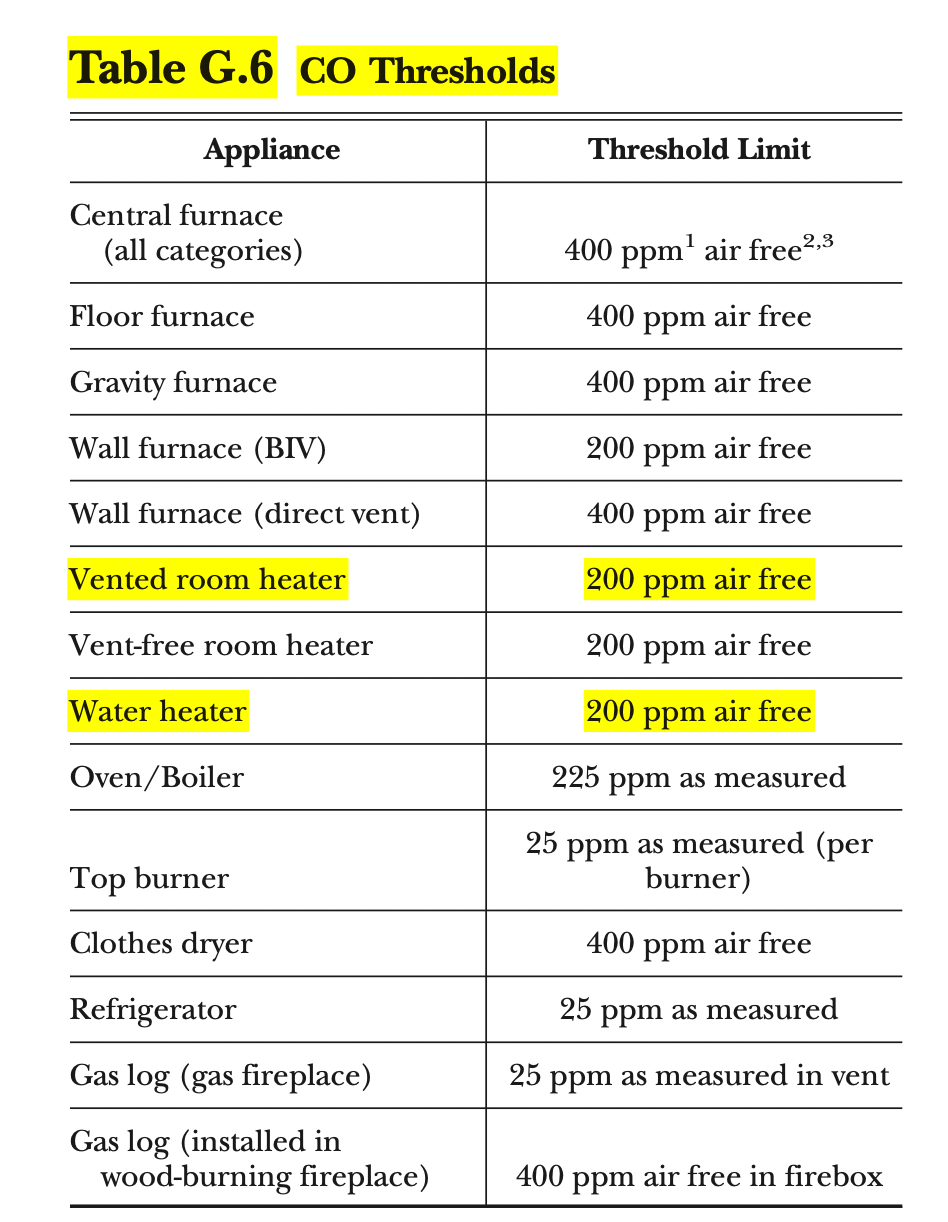
Various government agencies have recommended gas emission thresholds. Below are some examples. Please note that different thresholds are assigned depending on the appliance.
1. Building Performance Institute, ANSI/BPI-1200-S-2015 Standard Practice for Basic Analysis of Buildings
2. National Fuel Gas Code, ANSI Z223.1/NFPA 54.
This standard provides minimum safety requirements for the design and installation of fuel gas piping systems in homes and other buildings.
3. American National Standard/ CSA Standard for Vented Gas Fireplace Heaters, ANSI Z21.88-2009 & CSA 2.33-2009
What Are Good Combustion Analyzer Levels When Testing Oxygen?
The optimum fuel-air ratio results in the oxygen level being reduced from 21% (fresh air) to between 2-10% by volume after combustion. This value depends on the appliance, so check your user manual to see the recommended oxygen level for your specific appliance.
Do Combustion Analyzers Indicate Which Gas Is Being Detected?
Yes, they do.
Since there is a gas sensor array ranging from 1 to 4 sensors, the analyzer presents the corresponding gas levels. Sometimes detectors may calculate the gas value instead of directly measuring it. For example, by measuring oxygen, a combustion analyzer may "infer" the CO2 levels. Check to make sure which units are actually being "measured" and which are being "calculated."
What shall I Look out for when Purchasing a Combustion Analyzer for Residential use?
A basic residential combustion analyzer typically comes with a pump, probe, and analyzer that includes O2 and CO sensors. Forensics Detectors has developed this unit for HVAC professionals, contractors, and maintenance engineers for residential boilers, heaters, or furnaces.
The display screen shows CO, O2, COAF (CO air-free), and EA (Excess Air %). The detector can also be used as an ambient detector for general air quality measurements or plugged into the hand pump to function as spot detector.
Note, this analyzer does NOT detect flue temperature nor calculate combustion efficiency. If that is necessary, we recommend the Bacharach or Testo versions.
The product comes with an aluminum hard case, analyzer containing CO and O2 sensors with strong niobium magnets for mounting on appliances, electronic pump with stainless probe, hose assembly with three feet of high-temperature silicone tubing, water trap, particle and NOx filters with sensor cap, screw to mount sensor cap to the analyzer, USB charging cable, USB charger, calibration certificate, and clear English manual & instructions.
What Is a Combustion Analyzer Used For?
Combustion analyzers are typically used by HVAC specialists, boiler technicians, and plumbers to test flue gases and ambient environments. A combustion analysis is commonly performed on appliances such as boilers, heaters, ovens, pool heaters, and furnaces. Test results provide gas levels and insight into safe and efficient appliance operation. Some applications are highlighted below:
Carbon monoxide emissions: Large amounts of carbon monoxide with the flue gas is not desirable, indicating poor combustion. It is also dangerous for the environment and occupants. In cases with spillage, backdraft, or a cracked heat exchanger, CO may poison occupants.
Combustion efficiency: A combustion analyzer will calculate combustion efficiency. To improve performance, the technician may need to tune the air-fuel ratio or change out deteriorated parts. Also note that cost is a significant factor here in terms of reduced efficiency and losing heat per unit dollar.
Safety, spillage, leakage, or cracked heat exchanger: A combustion analyzer can be used as an ambient point sampler to detect any spillage, backdraft, or a cracked heat exchanger.
Can a Combustion Analyzer Be Used to Detect a Cracked Heat Exchanger?
Yes indeed.
Combustion analyzers are often used to test register outlets, air ducting, and around the appliance to check for low levels of carbon monoxide. Low carbon monoxide in the ducting is a tell-tale sign of a cracked or pin-hole infested heat exchanger.
For suspected gas leaks in a pipe, joint, or appliance, we do not recommend using a combustion analyzer for pin-pointing gas leaks. A gas leak detector with gooseneck, semiconducting metal oxide sensor, and ppm reading is the most desirable detector for that specific application. Seehere.
How Do I Select a Combustion Analyzer?
To select the best combustion analyzer that serves your purpose, follow this guide. To narrow down your selection, start by thinking about these questions:
Am I using it for commercial or residential applications? For residential situations, a combustion analyzer that has CO and O2 measured gas sensors will suffice and be more reasonably priced. Commercial applications require detection of more gases and a more expensive detector. Metrics include concentration of NO, NO2, SO2, and CO2, combustion efficiency, and others.
Which gases would I like to measure? Depending on the specific gases you wish to measure, this will narrow the combustion analyzer selection very fast.
Do I need to detect flue temperature or combustion efficiency? If combustion efficiency must be measured, then the probe needs a thermocouple. This capability raises the complexity and price of the combustion analyzer.
What is my budget and operating cost budget? Combustion analyzers dramatically vary in cost. If you plan to use it daily, quality, after sales-service, calibration, and part replacement costs must be taken into consideration. Combustion analyzers have many components that can fail, including the pump, sensors, and probe assemblies.
Do I need advanced functions such as data-logging, bluetooth, or printing? With the popularity of mobile phones, many technicians choose not to purchase printers with their analyzers. At one point, this was very common. Today, most service technicians are paperless and email customers photos of their appliance in action and the combustion analyzer data screen. Doing so allows for easy digital filing. Other features, such as data logging and Bluetooth communication, are available for the professional user.
Do I need specific accreditations with the monitor such as a NIST traceability calibration certificate? Yes, you do. An important aspect of combustion analysis is accuracy, wich is a function of calibration. Ensure the NIST traceability calibration is performed in the USA and that your analyzer comes with a certificate signed by an engineer.
Do I require features such as a magnet for easy appliance mounting? Magnet backs are becoming very convenient. Simply pop the unit on the metal appliance and it will hold. This frees one hand and makes combustion testing much easier.
Do I need sales support, USA location, or calibration service? Some of the brands listed previously are not based in the USA. Be sure that you have technical help in the USA so you can easily pick up the phone and have support within minutes.
How Long Do Combustion Analyzer Sensors Last?
Residential combustion analyzers typically employ electrochemical cell technology sensors, which are used to detect O2 and CO. They usually last between 24 and 36 months. Check your user manual; sometimes it may be shorter.
How Do I Test My Combustion Analyzer? (Bump Testing)
The best way to test your combustion analyzer is to expose it to a known gas source. Generally referred to as bump testing, this is a good practice to perform regularly.
What Is Combustion Analyzer Gas Calibration?
Combustion analyzer calibration is the technical task of adjusting the detector to a more accurate gas readings. Gas sensors drift and degrade over time. Calibrate every 6 to 12 months. More information on combustion analyzer calibration can be found here and an example calibration is shown below.
How Do I Use a Combustion Analyzer?
The basic steps of using a combustion analyzer are as follows:
Drill a hole in your flue. Follow appliance instructions or regulation instructions on where to take the sample measurement. It is different for different appliances, so double-check.
Check your combustion analyzer and make sure it is calibrated. Ensure there is no water is in the water trap. Finally, check that you have the gas sample probe, tubing, filters, and that the battery is charged.
Check the probe, tubing, and filters. Make sure it is connected with no vacuum leaks.
Turn the analyzer ON.
Turn ON the appliance that will be tested. Make sure it operating for at least 5 minutes.
Connect the probe, tubing, and filter assembly to the probe. Take a fresh air reading: CO should read 0%, O2 should read 20.9%, and CO2 should read about 400ppm. If required, bump test the unit to confirm proper operation.
Once normal readings are confirmed, begin taking your combustion flue gas measurement.
Insert the probe in the flue hole and let the analyzer do its job. It will draw a gas sample and analyze the gas concentration.
When placing the probe in the exhaust flue, ensure it remains in the hot exhaust for no longer than 2 minutes. Avoid high temperatures for prolonged periods (> 3 minutes) - this is especially important for commercial appliances where the flue gases are at extreme temperatures.
Readings will usually stabilize after 60 seconds. Take a photograph of the analyzer display for your customer or record-keeping purposes.
Ensure tubing and other items are clean before storing to avoid any contamination, residual odors, or toxic gases that may poison the sensor.
Some important tips to consider:
Combustion analyzer user manual:Obviously, be smart and read your product manual. The above instruction list is generic and does not apply to every combustion analyzer.
Appliance user manual: Read the appliance manual. If you are testing a forced air furnace, make sure to read the manual because there may be recommended oxygen levels to target in the flue gas.
Code:Be privy to any rules and regulations in the city, state, or country that may be applicable.
NFGC 54: The National Fuel Gas Code (NFGC 54) - Annex G Recommended Procedure for Safety Inspection of an Existing Appliance Installation highlights steps to perform a combustion carbon monoxide test. Some key elements include the following:
The inspection procedures outlines the measurement of carbon monoxide (CO) - among others.
Prior to inspection, ensure detectors are calibrated or tested in accordance with the manufacturer’s instructions.
In addition, it is recommended that CO detectors have the following minimum specifications:
Digital display for measuring ambient room and appliance emissions from 0 to 1,000 ppm in 1 ppm increments,
Capable of converting CO measurements to air-free levels in ppm.
Turn ON the forced air furnace (example).
Measure the CO in the vent after 5 minutes of mainburner operation.
The CO should not exceed 200 ppm COAF
What to Look Out for When Performing a Combustion Analysis? (Extra Tips)
Ensure the analyzer is stored well within specifications.
When using the analyzer, condensation may occur and the water trap will slowly fill with water. Keep track of this and empty as necessary. Always empty the water trap before storing the unit.
The CO and O2 sensors typically have a life of 2 years. If taken care of, they can last longer (up to 3 years) but require more frequent calibration.
Ensure periodic calibration every 6 months so the performance of the detector remains within specification.
Follow best practices when selecting a combustion gas sample location for analyzing appliances. Follow local codes and appliance manufacturer instructions (i.e., NFGC, ANSI, BPI).
What Is the Difference Between ppm and %?
A typical combustion analyzer presents oxygen readings in % and carbon monoxide in ppm.
The typical scale of concentration for any gas is %vol. The means what % of the air volume is taken up by the gas in a volumetric measure. There are other measures based on weight and mols, but gas detection primarily involves readings on a volumetric basis.
The parts per million (ppm) scale has a direct conversion from %. 10,000 ppm = 1%. Both of these values are interchangeable. Once ppm values enter the 1000s, it is customary to start using %vol, as it is easier to say 1.1% vol than 11,000 ppm.
Conversion Example
Oxygen % value = (oxygen ppm / 1,000,000) x 100%
For example, if we have 5,000 ppm of oxygen, then we obtain:
Oxygen % value = (5,000 / 1,000,000) x 100%
Oxygen % value = 0.5%
Quick Conversion from ppm to %vol
100 ppm = 0.01%
1,000 ppm = 0.1%
10,000 ppm =1%
100,000 ppm =10%
1,000,000 ppm =100%
What Is the Difference Between CO and COAF?
Carbon monoxide is measured directly in most combustion analyzers, typically referred to as the "as-measured" CO level. This is the raw carbon monoxide level measured within the flue gas. It is presented on the combustion analyzer display screen as CO.
The carbon monoxide air free value is typically presented on your analyzer as COAF. This is the calculated, undiluted CO concentration obtained in flue gas, an ambient environment, or a gas environment where dilutive excess air exists.
Excess air dilutes the as-measured CO concentration. As such, the CO value is compensated (increased) to derive the absolute, undiluted CO concentration (corresponding to zero O2).
COAF is otherwise known as CO source concentration or CO source emission.
COAF is calculated using the following:
COAF = (COmeasuredx 20.9) / (20.9 - 02measured)
As you can see, combustion analyzers must also measure O2 to be able to calculate COAF.
What Is ExcessAir inCombustion?
Excess air (EA) is the additional air in a flue stream beyond what's required for complete combustion. The excess air dilutes the exhaust flue gases. Complete combustion occurs when zero oxygen is present in the flue gas. When there is a non-zero oxygen reading, this means excess air exists. Therefore, measuring oxygen is very important to determine EA and COAF. A common equation used to determine the excess air is shown below:
EA% = [[20.9/ (20.9 - 02measured)] – 1] x 100
What Is a Draft Measurement?
Some combustion analyzers can measure the draft, or flue gas speed, in the stack or chimney. If the velocity is too high, the boiler efficiency drops because the unit cannot transfer heat from the flame to the boiler. If the draft is too low, it could damage the boiler and burner or spill exhaust gases into the room.
Does a Combustion Analyzer Detect Hydrocarbon and VOCs?
No, it does not.
During incomplete combustion, hydrocarbons (HCs) and volatile organic compounds (VOCs) may be present in the flue gas due to incomplete combustion.
Does a Combustion Analyzer Detect Soot?
No, it does not.
Professional models may have an option for detecting hydrocarbons or VOCs. Soot is particulate matter that makes up smoke, commonly seen emitted from diesel trucks. Although it is not always visible, a small amount of soot may still be present. An excessive amount of soot is not good as it means:
Poor combustion efficiency
Faster degradation of parts
Poor internal heat transfer, preventing good thermal conductivity
Eventual damage to the heat exchanger
Most Affordable Professional Combustion Analyzer?
The best and most affordable professional combustion analyzer is the Forensics Detectors Professional Combustion Analyzer with built-in pump and high-quality gas sample probe. This device is a workhorse for HVAC, contractors, plumbers, engineers, and technicians for combustion analysis of boilers, heaters, furnaces, and other natural gas or propane burning appliances. It is also perfect for indoor air quality, CO, and O2 gas analysis.
The unit is packed with advanced features such as a 32-bit microprocessor, color screen, real-time graphing, and data-logging functions. The large display shows CO, O2, COAF, and EA. The detector can also be used as (1) an ambient detector for general air quality measurements, (2) a spot detector, or (3) a combustion and flue gas analyzer.
The package includes a robust ABS waterproof hard case, model 600 analyzer with CO and O2 sensors, strong niobium magnet for easy mount, supreme point sample probe, hose assembly with three feet of high temperature silicone tubing, water trap, particle and NOx filters, USB charging cable, USB charger, USA NIST traceable calibration certificate, and simple English user manual.
Final Words
A combustion analyzer is more complex than a typical handheld gas detector. It has more moving parts and requires more attention in its operation. When you start using your combustion analyzer, make sure to read the user manual as they can be tricky to operate (at least initially). Also, ensure the unit has been properly calibrated and recently calibrated (within the last 2 to 3 months) to NIST traceable gas sources for optimal accuracy. The price for combustion and flue gas analyzers ranges dramatically. Residential appliance applications using an analyzer that detects both CO and O2 will be less than $500.
About The Author
Dr. Koz is the President of FORENSICS DETECTORS, where the company operates from the scenic Palos Verdes Peninsula in Los Angeles, California. He is a subject matter expert on gas sensor technology, gas detectors, gas meters, and gas analyzers. He has been designing, building, manufacturing, and testing toxic gas detection systems for over 20 years.
Every day is a blessing for Dr. Koz. He loves to help customers solve their unique problems. Dr. Koz also loves spending time with his wife and his three children going to the beach, grilling burgers, and having a cold beer.